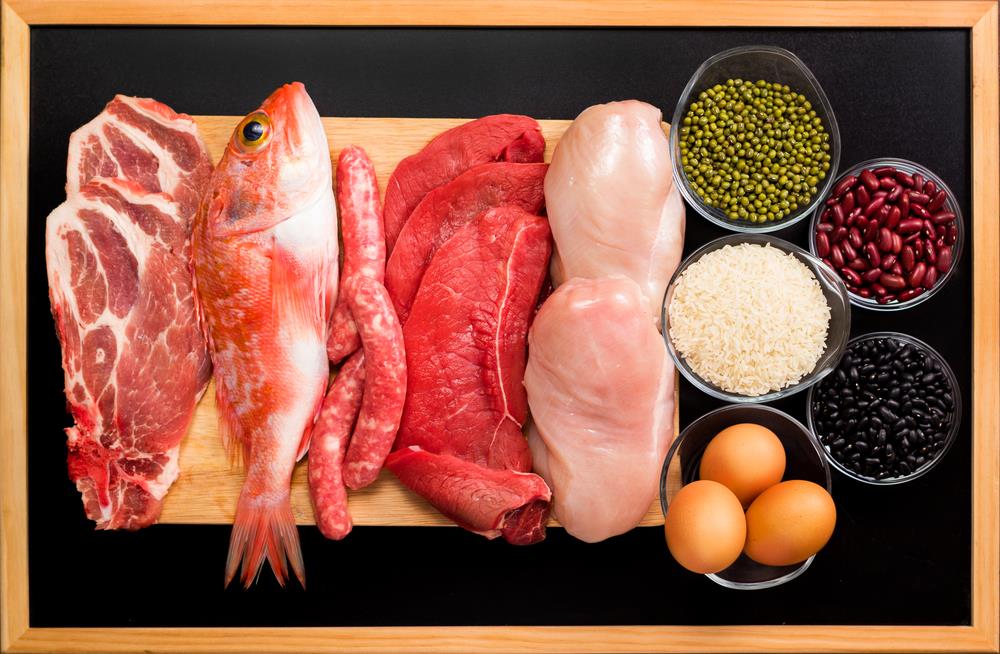
Adopter une alimentation plus végétale est une tendance croissante, que ce soit pour des raisons de santé, de bien-être animal ou de durabilité environnementale.
Dans cet article, nous allons explorer quatre régimes alimentaires populaires :
- Végétarien : Exclut la consommation de viande et de poisson, mais inclut les produits d’origine animale comme les œufs et les produits laitiers.
- Végétalien : Exclut tous les produits d’origine animale, y compris les œufs, les produits laitiers et le miel, se concentrant uniquement sur les aliments végétaux.
- Vegan : Au-delà de l’alimentation, c’est un mode de vie qui évite tous les produits et pratiques exploitant les animaux, y compris les vêtements et les produits cosmétiques.
- Flexitarien : Un régime principalement végétarien, mais qui permet une consommation occasionnelle de viande et de poisson.
Chacun de ces régimes présente des avantages uniques et des défis spécifiques.
Poursuivez votre lecture pour découvrir en détail ce que chaque régime implique, les avantages et inconvénients associés, les types d’aliments recommandés, et quelques recettes pour vous aider à adopter facilement ces modes de vie.
Végétarien
Qu’est-ce que le régime végétarien ?
Le régime végétarien exclut la consommation de viande (bœuf, porc, volaille) et de poisson. Cependant, il permet la consommation d’autres produits d’origine animale comme les œufs, les produits laitiers et le miel.
Il existe plusieurs sous-catégories de régimes végétariens :
- Lacto-végétarien : Inclut les produits laitiers mais exclut les œufs.
- Ovo-végétarien : Inclut les œufs mais exclut les produits laitiers.
- Lacto-ovo-végétarien : Inclut à la fois les produits laitiers et les œufs.
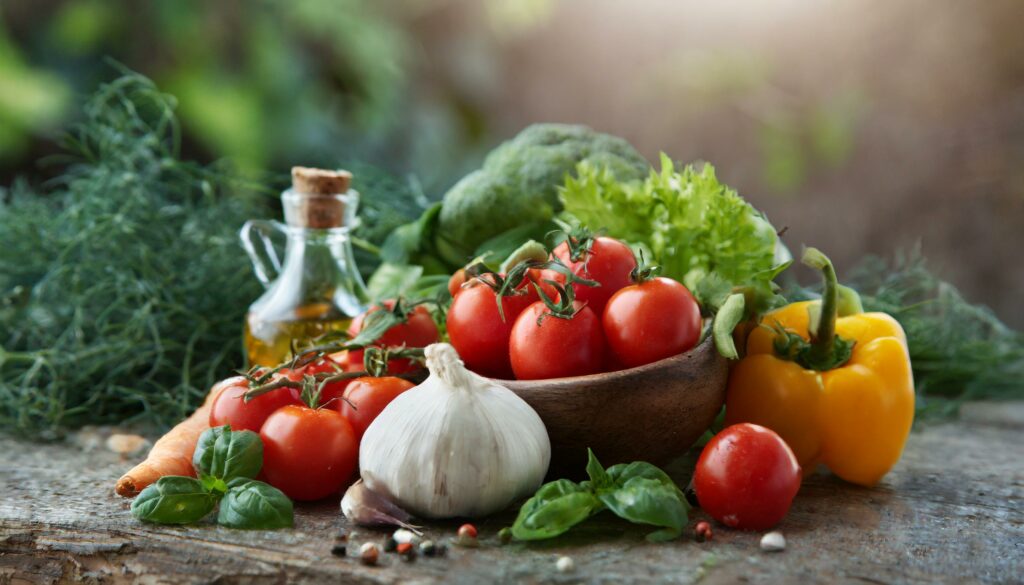
Avantages du régime végétarien
- Santé : Réduction du risque de maladies cardiovasculaires, d’hypertension, de diabète de type 2 et de certains types de cancer.
- Environnement : Moins d’empreinte carbone et moins de ressources nécessaires comparé à un régime omnivore.
- Éthique : Moins de souffrance animale et de pratiques agricoles intensives.
Inconvénients du régime végétarien
- Carences potentielles : Risque de carences en vitamine B12, fer, zinc et acides gras oméga-3.
- Social : Difficultés possibles lors de sorties au restaurant ou de repas en société où les options végétariennes peuvent être limitées.
Types d’aliments possibles
Les végétariens peuvent consommer une grande variété d’aliments :
- Fruits et légumes : Riches en vitamines, minéraux et fibres.
- Légumineuses : Haricots, lentilles, pois chiches, sources importantes de protéines.
- Céréales complètes : Quinoa, riz brun, avoine, riches en fibres et nutriments.
- Produits laitiers et œufs : Fromage, yaourt, lait, œufs, sources de protéines et de calcium.
- Noix et graines : Amandes, noix, graines de chia, sources de graisses saines et de protéines.
3 Exemples de recettes végétariennes
Salade de quinoa aux légumes grillés :
- Ingrédients : Quinoa, courgettes, poivrons, oignons rouges, feta, huile d’olive, citron, sel, poivre.
- Instructions : Cuire le quinoa selon les instructions. Griller les légumes avec un peu d’huile d’olive. Mélanger le tout avec de la feta émiettée et assaisonner avec du jus de citron, du sel et du poivre.
Curry de lentilles :
- Ingrédients : Lentilles, lait de coco, tomates en dés, oignons, ail, gingembre, épices (curcuma, cumin, coriandre), épinards frais.
- Instructions : Faire revenir l’oignon, l’ail et le gingembre. Ajouter les épices, les lentilles, les tomates et le lait de coco. Laisser mijoter jusqu’à ce que les lentilles soient tendres. Incorporer les épinards en fin de cuisson.
Omelette aux légumes :
- Ingrédients : Œufs, épinards, champignons, tomates, fromage râpé, sel, poivre.
- Instructions : Battre les œufs avec du sel et du poivre. Faire revenir les légumes dans une poêle. Ajouter les œufs battus et cuire jusqu’à ce que l’omelette soit prise. Parsemer de fromage râpé avant de servir.
En adoptant le régime végétarien, vous pouvez profiter d’une alimentation saine et variée tout en contribuant à la préservation de l’environnement et au bien-être animal.
Végétalien
Qu’est-ce que le régime végétalien ?
Le régime végétalien est une forme stricte de végétarisme qui exclut tous les produits d’origine animale.
Cela signifie qu’il n’inclut pas la viande, le poisson, les œufs, les produits laitiers, le miel et tout autre produit dérivé des animaux.
Les végétaliens se concentrent exclusivement sur les aliments d’origine végétale.
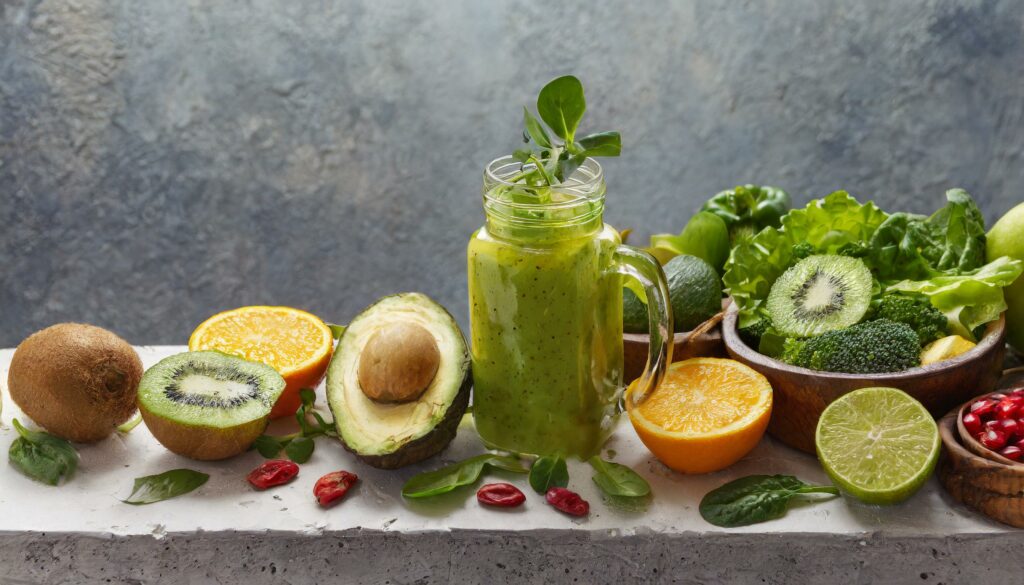
Avantages du régime végétalien
- Santé : Peut aider à réduire le risque de maladies chroniques comme les maladies cardiaques, le diabète de type 2 et certains cancers grâce à une consommation élevée de fruits, légumes, fibres et antioxydants.
- Environnement : Réduit l’empreinte carbone, l’utilisation de l’eau et la déforestation associée à l’élevage animal.
- Éthique : Élimine l’exploitation et la souffrance des animaux dans la production alimentaire.
Inconvénients du régime végétalien
- Carences potentielles : Risque de carences en vitamine B12, vitamine D, fer, calcium, zinc et acides gras oméga-3, nécessitant une planification soigneuse et souvent une supplémentation.
- Social : Peut être difficile à suivre dans certaines situations sociales ou lors de sorties au restaurant où les options végétaliennes peuvent être limitées.
Types d’aliments possibles
Les végétaliens peuvent profiter d’une grande variété d’aliments :
- Fruits et légumes : Bases de l’alimentation végétalienne, riches en vitamines, minéraux et fibres.
- Légumineuses : Haricots, lentilles, pois chiches, sources importantes de protéines et de fibres.
- Céréales complètes : Quinoa, riz brun, avoine, sources de glucides complexes et de fibres.
- Noix et graines : Amandes, noix, graines de chia, lin, sources de graisses saines et de protéines.
- Produits à base de soja : Tofu, tempeh, lait de soja, riche en protéines.
- Aliments enrichis : Lait végétal enrichi en calcium et vitamine D, céréales enrichies en vitamine B12.
- Substituts de viande : Burgers végétaux, saucisses végétaliennes, seitan.
3 Exemples de recettes végétaliennes
Bol de Buddha :
- Ingrédients : Quinoa, pois chiches rôtis, avocat, épinards, carottes râpées, betterave râpée, sauce tahini.
- Instructions : Cuire le quinoa selon les instructions. Rôtir les pois chiches avec des épices. Assembler tous les ingrédients dans un bol et arroser de sauce tahini.
Curry de légumes au lait de coco :
- Ingrédients : Lait de coco, patates douces, pois chiches, épinards, tomates, oignons, ail, gingembre, épices (curcuma, cumin, coriandre).
- Instructions : Faire revenir l’oignon, l’ail et le gingembre. Ajouter les épices, les patates douces en dés, les pois chiches, les tomates et le lait de coco. Laisser mijoter jusqu’à ce que les légumes soient tendres. Incorporer les épinards en fin de cuisson.
Spaghettis de courgettes avec sauce au pesto :
- Ingrédients : Courgettes, basilic frais, noix de cajou, ail, levure nutritionnelle, huile d’olive, citron, sel, poivre.
- Instructions : Couper les courgettes en fines lanières pour imiter des spaghettis. Mixer le basilic, les noix de cajou, l’ail, la levure nutritionnelle, l’huile d’olive et le jus de citron pour faire le pesto. Mélanger les lanières de courgettes avec le pesto et servir frais.
Adopter un régime végétalien peut sembler un défi au départ, mais avec une planification adéquate et une variété d’aliments savoureux, il est possible de profiter d’une alimentation équilibrée et nutritive tout en respectant ses convictions éthiques et environnementales.
Vegan
Qu’est-ce que le mode de vie vegan ?
Le véganisme va au-delà de l’alimentation.
C’est un mode de vie qui vise à éviter, autant que possible et praticable, toute forme d’exploitation et de cruauté envers les animaux pour la nourriture, les vêtements, les cosmétiques et tout autre usage.
Cela inclut l’exclusion de tous les produits d’origine animale comme la viande, le poisson, les œufs, les produits laitiers, le miel, ainsi que les produits dérivés comme le cuir, la laine et la soie.
Avantages du mode de vie vegan
- Santé : Peut aider à réduire le risque de maladies chroniques comme les maladies cardiaques, le diabète de type 2 et certains cancers grâce à une alimentation riche en fruits, légumes, fibres et antioxydants.
- Environnement : Réduit considérablement l’empreinte carbone, l’utilisation de l’eau et la déforestation associée à l’élevage animal.
- Éthique : Élimine l’exploitation et la souffrance des animaux non seulement dans l’alimentation mais aussi dans la production de vêtements, cosmétiques et autres produits.
Inconvénients du mode de vie vegan
- Carences potentielles : Risque de carences en vitamine B12, vitamine D, fer, calcium, zinc et acides gras oméga-3, nécessitant une planification soigneuse et souvent une supplémentation.
- Social : Peut être difficile à suivre dans certaines situations sociales, lors de voyages ou de sorties où les options véganes peuvent être limitées.
- Disponibilité : Trouver des produits véganes pour l’habillement, les cosmétiques et autres usages peut parfois être plus difficile ou plus coûteux.
Types d’aliments possibles
Les véganes peuvent profiter d’une grande variété d’aliments :
- Fruits et légumes : Bases de l’alimentation végane, riches en vitamines, minéraux et fibres.
- Légumineuses : Haricots, lentilles, pois chiches, sources importantes de protéines et de fibres.
- Céréales complètes : Quinoa, riz brun, avoine, sources de glucides complexes et de fibres.
- Noix et graines : Amandes, noix, graines de chia, lin, sources de graisses saines et de protéines.
- Produits à base de soja : Tofu, tempeh, lait de soja, riche en protéines.
- Aliments enrichis : Lait végétal enrichi en calcium et vitamine D, céréales enrichies en vitamine B12.
- Substituts de viande : Burgers végétaux, saucisses végétaliennes, seitan.
3 Exemples de recettes véganes
Smoothie bowl aux fruits rouges
- Ingrédients : Banane, fraises, myrtilles, lait d’amande, graines de chia, granola.
- Instructions : Mixer la banane, les fraises, les myrtilles et le lait d’amande jusqu’à obtenir une consistance lisse. Verser dans un bol et garnir de graines de chia et de granola.
Buddha bowl au quinoa et légumes
- Ingrédients : Quinoa, pois chiches rôtis, avocat, épinards, carottes râpées, betterave râpée, sauce tahini.
- Instructions : Cuire le quinoa selon les instructions. Rôtir les pois chiches avec des épices. Assembler tous les ingrédients dans un bol et arroser de sauce tahini.
Pizza végétalienne maison
- Ingrédients : Pâte à pizza (sans produits animaux), sauce tomate, légumes de votre choix (champignons, poivrons, oignons, olives), fromage végétal râpé.
- Instructions : Préchauffer le four. Étaler la sauce tomate sur la pâte à pizza. Ajouter les légumes et saupoudrer de fromage végétal. Cuire au four jusqu’à ce que la croûte soit dorée et le fromage fondu.
Pour réchauffer votre pizza maison, découvrez combien de temps pour réchauffer une pizza au four.
Adopter un mode de vie vegan implique plus que des choix alimentaires, c’est un engagement à vivre de manière à minimiser l’impact sur les animaux et l’environnement.
Avec une planification adéquate et une variété d’options savoureuses, il est possible de suivre ce mode de vie de manière équilibrée et gratifiante.
Flexitarien
Qu’est-ce que le régime flexitarien ?
Le régime flexitarien, ou semi-végétarien, est un mode d’alimentation principalement basé sur les plantes, tout en permettant une consommation occasionnelle de viande et de poisson.
Le terme « flexitarien » est une combinaison de « flexible » et « végétarien ».
Ce régime offre une approche moins restrictive que les régimes végétarien, végétalien et vegan, tout en encourageant une consommation accrue de fruits, légumes, légumineuses et céréales complètes.
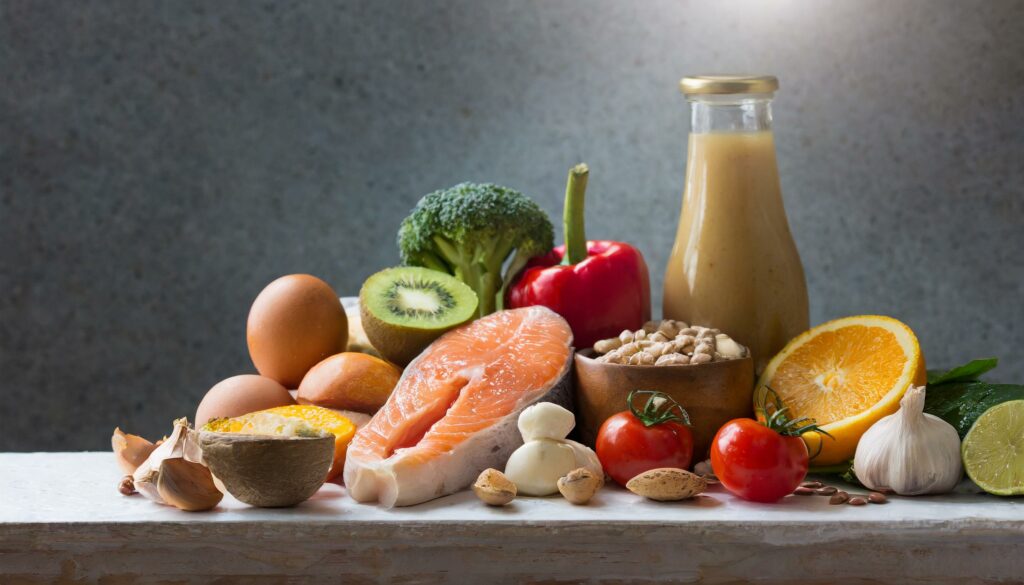
Avantages du régime flexitarien
- Santé : Peut améliorer la santé cardiovasculaire, aider à la gestion du poids et réduire le risque de maladies chroniques grâce à une augmentation de la consommation de plantes tout en limitant les viandes transformées.
- Flexibilité : Offre la liberté de consommer des produits animaux occasionnellement, ce qui peut rendre le régime plus facile à suivre sur le long terme.
- Environnement : Réduit l’empreinte carbone et la consommation de ressources naturelles par rapport à un régime riche en viande.
Inconvénients du régime flexitarien
- Carences potentielles : Moins de risques de carences que les régimes strictement végétaliens, mais une faible consommation de produits animaux peut encore nécessiter une attention aux apports en vitamine B12, fer et oméga-3. Pour combler cette carence, vous pouvez envisager de prendre des gélules d’oméga-3 en complément.
- Incohérence : Peut être difficile de définir des lignes directrices claires sur la quantité de viande ou de poisson consommée, ce qui peut entraîner des variations dans les bénéfices perçus.
Types d’aliments possibles
Les flexitariens peuvent consommer une grande variété d’aliments :
- Fruits et légumes : Riches en vitamines, minéraux et fibres.
- Légumineuses : Haricots, lentilles, pois chiches, sources importantes de protéines végétales.
- Céréales complètes : Quinoa, riz brun, avoine, riches en fibres et nutriments.
- Noix et graines : Amandes, noix, graines de chia, lin, sources de graisses saines et de protéines.
- Produits à base de soja : Tofu, tempeh, lait de soja, riches en protéines.
- Viandes et poissons : Consommés avec modération, de préférence des sources de haute qualité, durables et peu transformées.
3 Exemples de recettes flexitariennes
Tacos aux haricots noirs et avocat
- Ingrédients : Tortillas de maïs, haricots noirs cuits, avocat, tomates, oignons rouges, coriandre, jus de citron, épices (cumin, paprika).
- Instructions : Réchauffer les tortillas. Mélanger les haricots noirs avec les épices. Garnir les tortillas avec les haricots, l’avocat en tranches, les tomates en dés, l’oignon rouge et la coriandre. Arroser de jus de citron avant de servir.
Pain Vikings :
- Ingrédients : 200 g de farine de seigle, 300 g de farine de blé, 50 g de graines de lin, 50 g de graines de tournesol, 50 g de graines de sésame, 50 g de graines de courge, 2 c. à café de sel, 1 sachet de levure boulangère, 400 ml d’eau tiède.
- Instructions : Mélanger les farines, les graines et le sel dans un grand bol. Ajouter la levure et l’eau tiède. Mélanger jusqu’à obtenir une pâte homogène. Pétrir la pâte pendant environ 10 minutes. Couvrir et laisser lever dans un endroit chaud pendant 1 heure. Préchauffer le four à 220°C. Façonner la pâte en forme de pain et la placer sur une plaque de cuisson. Enfourner pendant 30 à 35 minutes jusqu’à ce que le pain soit doré et sonne creux lorsque vous le tapotez. Laisser refroidir avant de trancher.
Si vous souhaitez en savoir plus sur ce pain, vous pouvez consulter notre article à ce sujet : Le pain Viking fait-il grossir ?
Stir-fry de tofu et légumes
- Ingrédients : Tofu ferme, brocoli, poivrons, carottes, ail, gingembre, sauce soja, huile de sésame, graines de sésame.
- Instructions : Couper le tofu en cubes et le faire sauter jusqu’à ce qu’il soit doré. Retirer le tofu de la poêle et ajouter les légumes, l’ail et le gingembre. Faire sauter jusqu’à ce que les légumes soient tendres. Remettre le tofu dans la poêle et ajouter la sauce soja et l’huile de sésame. Garnir de graines de sésame avant de servir.
Le régime flexitarien offre une approche équilibrée et flexible pour ceux qui souhaitent réduire leur consommation de viande tout en profitant des bienfaits d’une alimentation principalement végétale.
Avec une variété d’options alimentaires et la possibilité de consommer des produits animaux de manière modérée, il peut être un choix durable et bénéfique pour la santé et l’environnement.
Conclusion
Adopter une alimentation plus végétale, que ce soit en tant que végétarien, végétalien, vegan ou flexitarien, peut apporter des avantages significatifs pour votre santé, l’environnement et le bien-être animal.
Chaque régime a ses propres caractéristiques, avantages et défis, mais tous partagent un engagement à réduire la dépendance aux produits d’origine animale.
- Le régime végétarien offre une transition douce vers une alimentation sans viande, avec des bénéfices pour la santé et l’environnement.
- Le régime végétalien pousse cette démarche plus loin en excluant tous les produits d’origine animale, nécessitant une planification soignée pour une alimentation équilibrée.
- Le mode de vie vegan étend cette approche à tous les aspects de la vie, évitant toute forme d’exploitation animale.
- Le régime flexitarien combine flexibilité et bénéfices pour la santé, en encourageant une consommation principalement végétale tout en permettant des écarts occasionnels.
Que vous soyez motivé par des raisons de santé, des préoccupations environnementales ou des convictions éthiques, il existe une multitude de ressources et de recettes pour vous aider à réussir dans votre démarche.
N’hésitez pas à expérimenter et à trouver l’équilibre qui vous convient le mieux.
Bonne aventure culinaire !