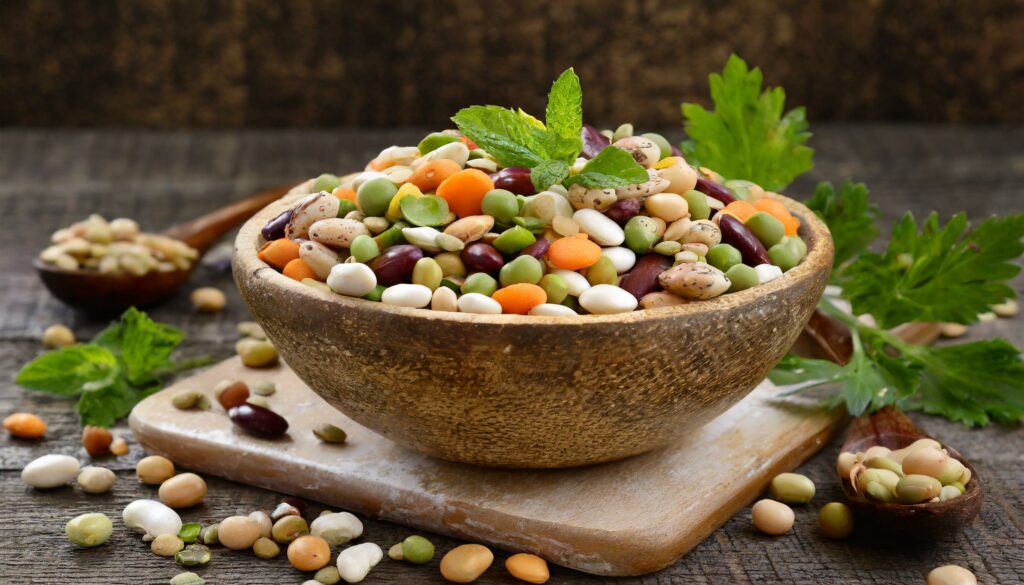
La coriandre est une herbe populaire dans de nombreuses cuisines du monde entier, appréciée pour ses feuilles fraîches et ses graines aromatiques.
Cependant, il peut arriver que vous n’ayez pas de coriandre sous la main ou que vous cherchiez à varier les saveurs de vos plats.
Que vous soyez un amateur de cuisine cherchant à remplacer les feuilles de coriandre ou un chef expérimenté en quête d’une alternative aux graines de coriandre, il existe plusieurs options intéressantes pour apporter des arômes similaires à vos recettes.
Dans cet article, nous vous proposons des alternatives pratiques pour remplacer les feuilles et les graines de coriandre, tout en conservant l’équilibre des saveurs dans vos plats préférés.
Plongeons maintenant dans les détails de chaque substitut pour comprendre comment ils peuvent rehausser vos créations culinaires.
- Par quoi remplacer les feuilles de coriandre ?
- Par quoi remplacer les graines de coriandre ?
- Graines de cumin
- Graines de fenouil
- Graines de carvi
- Graines d’anis
- Graines de moutarde
- Graines de nigelle
- Graines de cardamome
- Graines de fenugrec
- Graines de céleri
- Graines de pavot
- Quel est le goût de la coriandre ?
- Quelle association avec la coriandre ?
- Conclusion
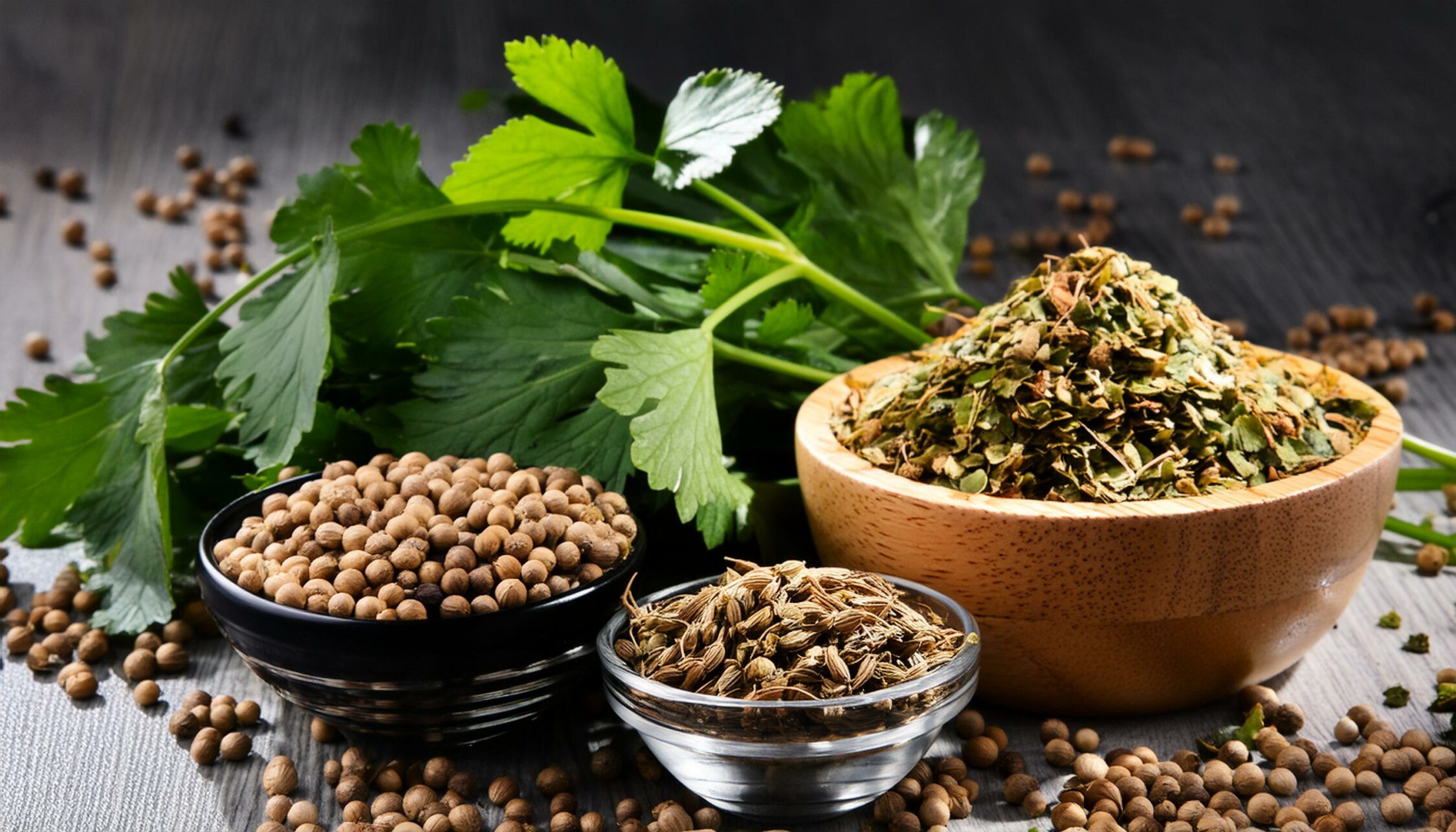
Par quoi remplacer les feuilles de coriandre ?
Persil plat
Le persil plat est une excellente alternative à la coriandre grâce à son goût frais et légèrement herbacé.
Moins prononcé que la coriandre, le persil plat s’intègre bien dans de nombreux plats sans dominer les autres saveurs.
Utilisez-le dans les salades, les sauces, les soupes et comme garniture. Il est particulièrement apprécié dans la cuisine méditerranéenne et moyen-orientale.
Vous pouvez l’ajouter à vos plats juste avant de servir pour conserver toute sa fraîcheur.
Basilic
Le basilic, avec sa saveur douce et légèrement poivrée, est idéal pour remplacer la coriandre dans les plats méditerranéens.
Il est parfait pour les sauces tomate, les salades caprese, les pâtes et les plats à base de légumes.
Le basilic frais doit être ajouté en fin de cuisson pour préserver son arôme délicat.
Bien que différent de la coriandre, son goût complémentaire peut ajouter une nouvelle dimension à vos recettes.
Menthe
La menthe offre une saveur fraîche et mentholée, idéale pour les plats asiatiques, les salades et les boissons.
Utilisée fréquemment dans les cuisines thaïlandaise, vietnamienne et libanaise, la menthe peut remplacer la coriandre dans les rouleaux de printemps, les taboulés et les chutneys.
Sa fraîcheur rehausse également les plats de fruits de mer et les desserts, ajoutant une note rafraîchissante et vive.
Cerfeuil
Le cerfeuil possède une saveur douce et légèrement anisée, ce qui le rend parfait pour les sauces et les soupes.
Souvent comparé à un mélange de persil et d’anis, le cerfeuil est une herbe délicate qui doit être ajoutée en fin de cuisson pour éviter qu’il ne perde son arôme subtil.
Il se marie bien avec le poisson, les œufs et les légumes, apportant une touche raffinée à vos plats.
Estragon
L’estragon a un goût anisé et poivré, idéal pour les plats de poisson et les sauces.
Très utilisé dans la cuisine française, il est l’ingrédient clé de la sauce béarnaise. Ajoutez-le à vos vinaigrettes, marinades et plats de volaille pour une saveur distinctive.
L’estragon frais est préférable, mais si vous utilisez de l’estragon séché, pensez à en utiliser en moindre quantité, car sa saveur est plus concentrée.
Aneth
L’aneth a une saveur douce et légèrement citronnée, excellente pour les plats de poisson et les marinades.
Souvent utilisé dans les cuisines scandinave et de l’Europe de l’Est, l’aneth est parfait pour les soupes, les salades de pommes de terre et les plats de saumon, comme dans le pain Viking.
Ajoutez-le en fin de cuisson pour conserver son goût délicat. L’aneth peut également être utilisé pour aromatiser les cornichons et les sauces au yaourt.
Ciboulette
La ciboulette offre un goût doux et légèrement piquant, parfait pour les salades et les plats à base d’œufs.
Elle est idéale pour les omelettes, les quiches, les pommes de terre au four et les sauces à la crème.
Sa saveur subtile ne domine pas les autres ingrédients, ce qui la rend polyvalente dans de nombreuses recettes.
Utilisez-la fraîche et ajoutez-la juste avant de servir pour conserver son croquant et sa fraîcheur.
Feuilles de fenouil
Les feuilles de fenouil ont une saveur anisée et douce, idéale pour les soupes et les ragoûts.
Elles peuvent être utilisées de la même manière que la coriandre dans les plats de fruits de mer, les salades et les plats de viande.
Les feuilles de fenouil ajoutent une note herbacée et fraîche qui rehausse les saveurs sans être envahissante.
Elles peuvent également être utilisées comme garniture pour ajouter une touche décorative et savoureuse.
Feuilles de carvi
Le carvi possède un goût légèrement anisé et terreux, adapté pour les plats de viande et les soupes.
Utilisé souvent dans la cuisine d’Europe centrale, le carvi se marie bien avec le chou, les pommes de terre, et les plats de porc.
Ses feuilles peuvent être hachées et utilisées comme garniture ou mélangées dans des salades et des plats chauds pour une saveur unique.
Oseille
L’oseille a une saveur acidulée et citronnée, idéale pour les soupes et les salades.
Elle peut remplacer la coriandre dans les recettes nécessitant une touche de fraîcheur et d’acidité.
L’oseille est particulièrement bonne dans les soupes de légumes, les sauces crémeuses et les plats de poisson.
Elle peut également être utilisée dans les pestos et les marinades pour une saveur piquante et rafraîchissante.
Ces alternatives aux feuilles de coriandre vous permettront de varier les saveurs dans vos plats tout en conservant l’équilibre et la richesse aromatique que vous recherchez. N’hésitez pas à expérimenter avec ces herbes pour découvrir de nouvelles combinaisons gustatives.
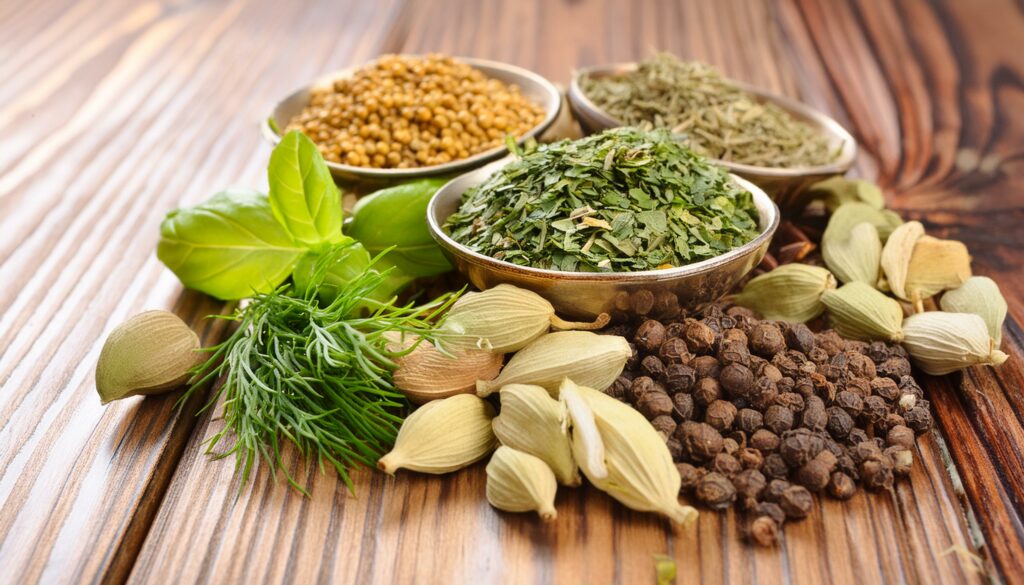
Par quoi remplacer les graines de coriandre ?
Graines de cumin
Les graines de cumin sont une excellente alternative aux graines de coriandre grâce à leur goût terreux et légèrement citronné.
Elles sont souvent utilisées dans les cuisines indienne, mexicaine et moyen-orientale.
Vous pouvez les ajouter aux currys, aux soupes, aux ragoûts et aux marinades pour apporter une profondeur de saveur similaire à celle des graines de coriandre.
Le cumin se marie bien avec des épices comme le paprika, le chili et le curcuma, offrant une base savoureuse à de nombreux plats épicés.
Graines de fenouil
Les graines de fenouil offrent une saveur douce et anisée qui peut remplacer les graines de coriandre dans de nombreuses recettes.
Utilisées fréquemment dans les cuisines méditerranéenne et indienne, les graines de fenouil sont parfaites pour les plats de poisson, les marinades et les pains.
Elles apportent une douceur subtile et une note rafraîchissante, surtout lorsqu’elles sont légèrement grillées avant d’être ajoutées aux plats.
Graines de carvi
Les graines de carvi ont une saveur terreuse et légèrement anisée, ce qui les rend parfaites pour remplacer les graines de coriandre dans les pains, les ragoûts et les plats de chou.
Très populaires dans la cuisine d’Europe centrale et de l’Est, les graines de carvi sont souvent utilisées dans les pains de seigle, les plats de pommes de terre et les viandes rôties.
Elles ajoutent une profondeur unique et une note épicée qui rehausse les saveurs des plats réconfortants.
Graines d’anis
Les graines d’anis, avec leur saveur anisée et douce, sont idéales pour les desserts et les plats de viande.
Utilisées dans de nombreuses cuisines à travers le monde, les graines d’anis peuvent remplacer les graines de coriandre dans les pâtisseries, les confiseries et les boissons.
Leur goût distinctif est également apprécié dans les plats de viande tels que les rôtis et les sauces, où elles apportent une touche sucrée et épicée.
Graines de moutarde
Les graines de moutarde, avec leur goût piquant et légèrement épicé, peuvent remplacer les graines de coriandre dans les marinades, les sauces et les vinaigrettes.
Utilisées dans la cuisine indienne pour les currys et les chutneys, ainsi que dans la cuisine européenne pour les pickles et les moutardes, les graines de moutarde ajoutent une chaleur subtile et une complexité épicée aux plats.
Leur croquant agréable en fait également un excellent ajout aux salades et aux plats de légumes.
Graines de nigelle
Les graines de nigelle ont une saveur légèrement amère et poivrée, parfaite pour les pains et les plats de légumes.
Très utilisées dans la cuisine moyen-orientale et indienne, les graines de nigelle peuvent remplacer les graines de coriandre dans les naans, les currys et les salades.
Leur goût distinctif et leur texture croquante apportent une touche unique aux recettes, tout en offrant des bienfaits nutritionnels supplémentaires.
Graines de cardamome
Les graines de cardamome, avec leur saveur citronnée et épicée, sont idéales pour les desserts et les plats indiens.
Utilisées dans les currys, les pâtisseries, et les boissons chaudes comme le chai, les graines de cardamome peuvent remplacer les graines de coriandre pour apporter une note aromatique intense.
Elles sont particulièrement appréciées pour leur capacité à rehausser les saveurs sucrées salées, comme dans un buffet sucré et salé, ajoutant une dimension exotique aux recettes.
Graines de fenugrec
Les graines de fenugrec offrent un goût légèrement sucré et amer, parfait pour les currys et les plats de viande.
Utilisées couramment dans la cuisine indienne, les graines de fenugrec peuvent remplacer les graines de coriandre dans les mélanges d’épices comme le garam masala.
Leur saveur distinctive ajoute de la profondeur et une légère amertume qui se marie bien avec des ingrédients riches comme le beurre, la crème et les viandes rouges.
Graines de céleri
Les graines de céleri ont une saveur herbacée et légèrement amère, idéale pour les soupes et les salades.
Utilisées souvent dans les sauces et les marinades, les graines de céleri peuvent remplacer les graines de coriandre pour apporter une note végétale et épicée.
Elles sont particulièrement efficaces pour ajouter de la complexité aux bouillons, aux ragoûts et aux plats de légumes, tout en renforçant les saveurs naturelles des ingrédients.
Graines de pavot
Les graines de pavot ont une saveur douce et légèrement noisette, parfaite pour les pains et les pâtisseries.
Utilisées dans les cuisines d’Europe centrale et de l’Est, les graines de pavot peuvent remplacer les graines de coriandre dans les recettes de pains, de gâteaux et de biscuits.
Leur texture croquante et leur goût délicat ajoutent une touche de sophistication aux produits de boulangerie et aux desserts, tout en offrant une belle esthétique en garniture.
En utilisant ces alternatives aux graines de coriandre, vous pouvez expérimenter avec une variété de saveurs et de textures pour enrichir vos plats. Chaque substitut apporte ses propres nuances aromatiques, vous permettant de personnaliser vos recettes selon vos préférences et les ingrédients disponibles.
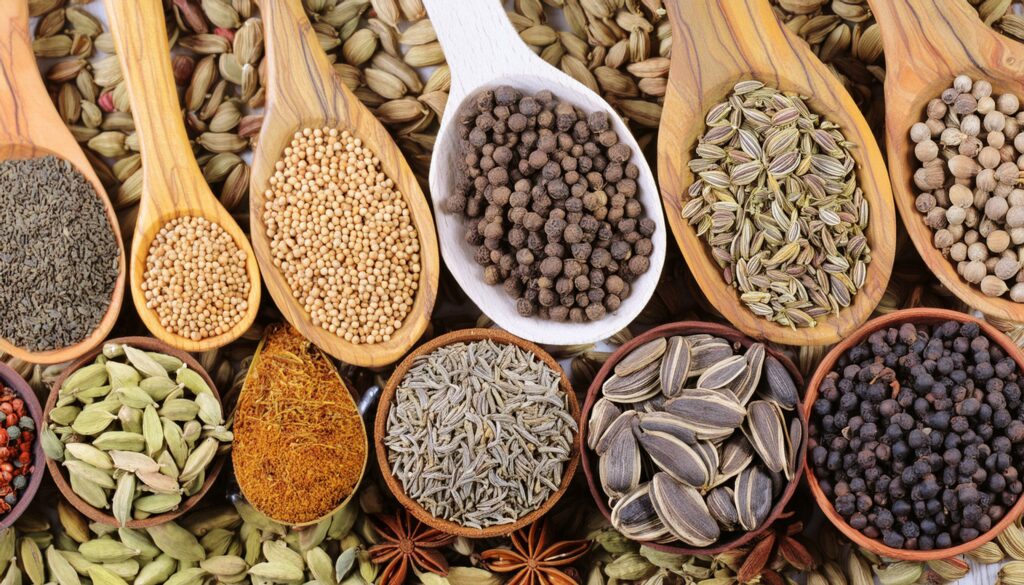
Quel est le goût de la coriandre ?
La coriandre, également connue sous le nom de cilantro (pour ses feuilles) et de coriandre (pour ses graines), est une herbe et une épice utilisée dans de nombreuses cuisines à travers le monde.
Sa saveur unique peut varier considérablement entre ses feuilles et ses graines, chacune apportant des caractéristiques distinctes à un plat.
Goût des feuilles de coriandre
Les feuilles de coriandre ont une saveur fraîche, vive et herbacée avec des notes citronnées. Elles sont souvent décrites comme étant légèrement piquantes avec une touche de douceur.
Pour beaucoup, cette combinaison de saveurs ajoute une fraîcheur éclatante et une profondeur aux plats. Voici quelques caractéristiques spécifiques du goût des feuilles de coriandre :
- Frais et citronné : La coriandre possède une saveur distinctement citronnée qui peut rehausser de nombreux plats, apportant une note de fraîcheur particulièrement bienvenue dans les salades, les salsas, et les plats de poisson.
- Herbacé et piquant : En plus de sa saveur citronnée, la coriandre a un goût herbacé et légèrement piquant qui peut ajouter une dimension intéressante aux plats. Cette saveur herbacée en fait un excellent ajout aux plats mexicains, indiens et thaïlandais.
- Légèrement doux : Bien que prédominant frais et piquant, la coriandre possède également une légère douceur qui équilibre ses autres saveurs. Cette douceur subtile complète bien les plats épicés ou riches en saveurs umami.
Cependant, il est important de noter que certaines personnes perçoivent les feuilles de coriandre différemment en raison d’une variation génétique.
Pour ces personnes, la coriandre peut avoir un goût de savon, ce qui la rend peu agréable.
Goût des graines de coriandre
Les graines de coriandre offrent une expérience gustative tout à fait différente de celle des feuilles.
Elles ont une saveur chaude, douce et légèrement épicée avec des notes d’agrumes et de terre. Voici les principales caractéristiques du goût des graines de coriandre :
- Chaud et doux : Les graines de coriandre possèdent une douceur naturelle qui se développe lorsqu’elles sont grillées ou moulues. Cette chaleur douce est parfaite pour les mélanges d’épices, les currys et les plats mijotés.
- Notes d’agrumes : Comme les feuilles, les graines de coriandre ont également des notes d’agrumes, bien que moins prononcées. Ces notes citronnées apportent une fraîcheur subtile qui complète bien les autres épices.
- Épicé et terreux : En plus de leur douceur et de leurs notes d’agrumes, les graines de coriandre ont une saveur épicée et légèrement terreuse. Cette combinaison en fait une épice polyvalente utilisée dans une variété de cuisines, y compris la cuisine indienne, moyen-orientale et mexicaine.
- Nuances florales : Les graines de coriandre possèdent également des nuances florales délicates qui ajoutent de la complexité aux plats. Ces nuances sont particulièrement évidentes dans les plats sucrés et les pâtisseries où les graines sont souvent utilisées pour aromatiser les biscuits et les gâteaux.
Quelle association avec la coriandre ?
La coriandre est une herbe aromatique polyvalente qui se marie bien avec une variété d’ingrédients, rehaussant les saveurs de nombreux plats à travers différentes cuisines du monde.
Que vous utilisiez les feuilles fraîches ou les graines de coriandre, voici quelques idées d’associations pour tirer le meilleur parti de cette herbe parfumée.
Associations avec les feuilles de coriandre
Agrumes
La saveur vive et citronnée des feuilles de coriandre se marie parfaitement avec les agrumes comme le citron, le citron vert, l’orange et le pamplemousse.
Ces combinaisons sont idéales pour les salades, les marinades, les salsas et les ceviches.
Par exemple, une salsa de mangue avec de la coriandre, du citron vert et des piments jalapeños est un accompagnement rafraîchissant pour les poissons grillés ou les tacos.
Ail et oignon
L’ail et l’oignon, avec leurs saveurs robustes, complètent bien la coriandre.
Ensemble, ils forment la base de nombreuses sauces, marinades et sautés.
Dans la cuisine mexicaine, la coriandre est souvent associée à l’ail, l’oignon et les tomates pour préparer des sauces comme la salsa verde et le guacamole.
Piments
La coriandre atténue la chaleur des piments et ajoute de la fraîcheur aux plats épicés.
Utilisée fréquemment dans les cuisines indienne, thaïlandaise et mexicaine, cette association est courante dans les currys, les sauces et les plats sautés.
Par exemple, le curry vert thaï combine la coriandre avec des piments verts, du lait de coco et des herbes comme le basilic thaï pour un plat aromatique et épicé.
Tomates
La douceur et l’acidité des tomates se marient bien avec la coriandre, créant des saveurs équilibrées dans les salades, les salsas et les soupes.
Le classique pico de gallo mexicain, composé de tomates, d’oignons, de coriandre et de piments, est un excellent exemple de cette association.
Légumes racines
La coriandre ajoute une note de fraîcheur aux légumes racines comme les carottes, les patates douces et les betteraves.
Utilisez-la pour garnir des soupes, des ragoûts ou des plats rôtis.
Une salade de carottes râpées avec de la coriandre, du jus de citron et des graines de cumin est un accompagnement simple et savoureux.
Noix et graines
Les noix et les graines, comme les amandes, les noix de cajou et les graines de sésame, se marient bien avec la coriandre dans les pestos, les salades et les plats de riz.
Par exemple, un pesto de coriandre avec des noix de cajou et du jus de citron vert peut être utilisé comme sauce pour les pâtes, les légumes grillés ou les viandes.
Lait de coco
La douceur riche du lait de coco complète parfaitement la fraîcheur de la coriandre.
Cette association est courante dans les cuisines thaïlandaise et indienne, où la coriandre est utilisée pour garnir des currys à base de lait de coco.
Un curry de poulet au lait de coco, avec de la coriandre fraîche et des épices comme le gingembre et le curcuma, est un plat réconfortant et aromatique.
Poissons et fruits de mer
La coriandre est souvent utilisée pour garnir les plats de poissons et de fruits de mer, apportant une note fraîche et citronnée.
Elle est idéale pour les ceviches, les tacos de poisson et les soupes de fruits de mer.
Par exemple, un ceviche de crevettes avec de la coriandre, du jus de citron vert, des oignons rouges et des piments jalapeños est un plat léger et savoureux.
Associations avec les graines de coriandre
Cumin
Les graines de cumin et de coriandre sont souvent utilisées ensemble dans les mélanges d’épices, comme le garam masala et le curry en poudre.
Leur combinaison offre une saveur terreuse et légèrement citronnée, idéale pour les plats indiens, moyen-orientaux et mexicains.
Par exemple, un ragoût de légumes avec des graines de cumin et de coriandre moulues apporte une profondeur de saveur chaleureuse.
Paprika et piment
Les graines de coriandre complètent bien les épices fumées et piquantes comme le paprika et le piment.
Cette association est courante dans les plats espagnols et mexicains, tels que les ragoûts, les marinades pour viandes grillées et les sauces.
Une marinade pour poulet grillé avec des graines de coriandre, du paprika fumé et de l’ail est particulièrement savoureuse.
Gingembre et ail
Les graines de coriandre, associées au gingembre et à l’ail, créent une base aromatique pour les currys, les soupes et les sautés.
Utilisée fréquemment dans la cuisine asiatique, cette combinaison rehausse les saveurs des plats tout en apportant des bienfaits pour la santé.
Par exemple, un curry de légumes avec des graines de coriandre, du gingembre et de l’ail est à la fois réconfortant et nourrissant.
Cannelle et clous de girofle
Pour des saveurs plus complexes, les graines de coriandre peuvent être associées à des épices chaudes comme la cannelle et les clous de girofle.
Utilisée dans les plats mijotés, les pâtisseries et les boissons chaudes, cette association ajoute une profondeur riche et épicée.
Un tajine marocain avec des graines de coriandre, de la cannelle et des clous de girofle est un exemple classique de cette combinaison.
Citron et zeste d’agrumes
Les graines de coriandre, avec leur note citronnée naturelle, se marient bien avec le zeste de citron et d’autres agrumes.
Utilisez cette combinaison pour aromatiser les poissons, les marinades et les desserts.
Un saumon grillé avec une croûte de graines de coriandre et de zeste de citron est un plat simple et élégant.
Herbes fraîches
Les graines de coriandre peuvent être associées à des herbes fraîches comme le persil, la menthe et l’aneth pour ajouter de la complexité aux plats.
Cette combinaison est idéale pour les salades, les sauces et les plats de viande.
Une salade de lentilles avec des graines de coriandre moulues, du persil frais et de la menthe est rafraîchissante et nutritive.
Miel et épices douces
Pour les desserts et les plats sucrés-salés, les graines de coriandre peuvent être associées au miel et à des épices douces comme la cardamome et la vanille.
Cette combinaison est parfaite pour les pâtisseries, les marinades pour viandes et les plats à base de fruits.
Un dessert à base de poires pochées avec des graines de coriandre, du miel et de la cardamome est délicieusement aromatique.
Légumineuses et céréales
Les graines de coriandre ajoutent une profondeur de saveur aux plats de légumineuses et de céréales.
Utilisées dans les soupes, les ragoûts et les salades de grains, elles complètent bien des ingrédients comme les lentilles, les pois chiches et le riz.
Un ragoût de lentilles avec des graines de coriandre, du cumin et des légumes racines est un repas réconfortant et riche en protéines.
Conclusion
La coriandre, avec ses feuilles fraîches et ses graines aromatiques, est une herbe et une épice précieuse dans de nombreuses cuisines à travers le monde.
Cependant, il peut arriver que vous deviez trouver des alternatives en raison de préférences personnelles ou de disponibilité.
Heureusement, il existe une variété d’options pour remplacer la coriandre, chacune apportant ses propres nuances de saveur aux plats.
Que vous recherchiez à remplacer les feuilles de coriandre par du persil plat, du basilic, de la menthe ou d’autres herbes, ou que vous cherchiez une alternative aux graines de coriandre comme les graines de cumin, de fenouil ou de carvi, vous pouvez maintenir l’équilibre et la richesse aromatique de vos recettes préférées.
Ces substituts offrent des saveurs complémentaires qui peuvent transformer vos créations culinaires et apporter de la diversité à votre cuisine.
Comprendre le goût unique de la coriandre et les raisons pour lesquelles certaines personnes peuvent avoir un dégoût pour cette herbe peut également vous aider à mieux appréhender son utilisation et ses alternatives.
Enfin, explorer les nombreuses associations possibles avec la coriandre, que ce soit avec des agrumes, des piments, des noix, ou des légumineuses, permet de maximiser son potentiel gustatif et de créer des plats délicieux et équilibrés.
En adoptant ces conseils et en expérimentant avec les différentes alternatives et associations, vous pourrez continuer à savourer des plats riches en saveurs, que vous aimiez la coriandre ou que vous préfériez la remplacer.
Bon appétit et joyeuse exploration culinaire !