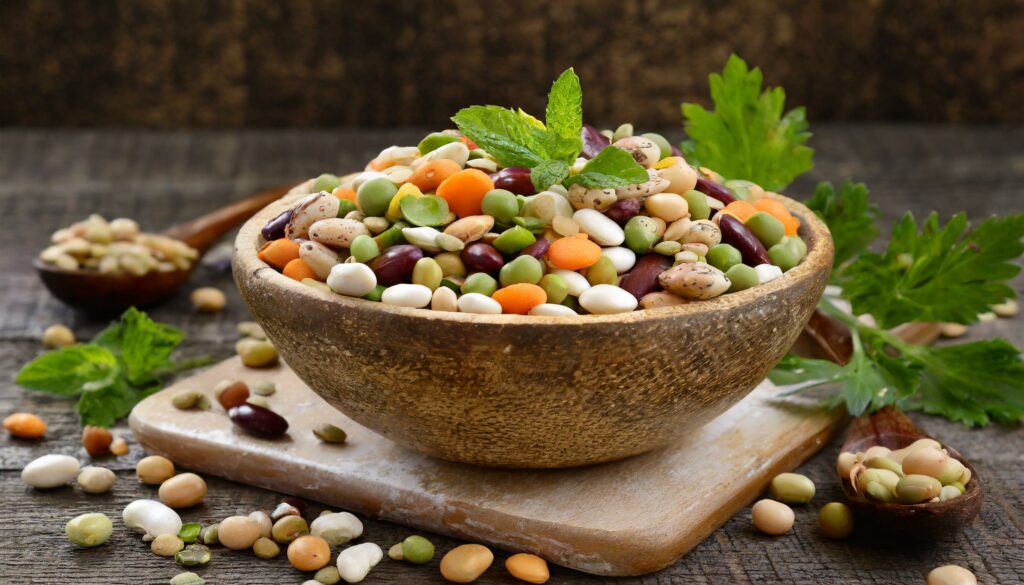
Bienvenue dans un voyage fascinant au cœur de l’un des éléments et des macronutriments les plus cruciaux de notre alimentation : les glucides.
Souvent débattus, parfois mal compris, les glucides sont pourtant indispensables à notre bien-être et à notre santé. Dans cet article, nous allons explorer ensemble ce que sont réellement les glucides, leurs rôles variés dans notre organisme, et comment ils influencent notre santé quotidienne.
Les glucides, souvent évoqués en termes de « bons » ou de « mauvais », sont bien plus qu’une simple source d’énergie. Ils sont les architectes de notre bien-être, influençant tout, depuis notre énergie quotidienne jusqu’à notre santé à long terme. En démystifiant les glucides, nous vous offrirons une perspective éclairée et basée sur des données scientifiques, pour vous guider dans vos choix alimentaires.
À travers cet article, nous explorerons les différentes formes de glucides et dévoilerons leur impact sur notre corps. Que vous soyez un passionné de l’importance de la nutrition ou simplement à la recherche d’une alimentation plus équilibrée, cet article est votre guide complet pour comprendre et intégrer les glucides de manière saine dans votre alimentation.
Préparez-vous à changer votre vision des glucides et découvrez comment ces nutriments essentiels peuvent être vos alliés pour une vie plus saine et plus énergique.
Introduction aux Glucides
Définition
Les glucides sont un type de nutriments que l’on trouve dans de nombreux aliments. Ils sont une source d’énergie importante pour notre corps. On peut les imaginer comme le carburant qui aide notre corps à fonctionner correctement, un peu comme l’essence pour une voiture

Importance des glucides dans l’alimentation
Les glucides sont essentiels pour notre santé. Ils ne sont pas seulement notre source principale d’énergie, mais jouent aussi d’autres rôles importants :
- Énergie pour le cerveau : Notre cerveau a besoin de ce macronutriment, surtout de glucose, pour fonctionner correctement. Sans assez de glucides, nous pouvons nous sentir fatigués ou avoir du mal à nous concentrer.
- Source d’énergie pour les muscles : Lorsque nous faisons de l’exercice, notre corps utilise les glucides stockés pour garder nos muscles en mouvement.
- Régulation de la digestion : Les fibres sont un type de glucides complexes que notre corps ne digère pas. Elles aident à maintenir notre système digestif en bonne santé et peuvent prévenir des problèmes comme la constipation.
En résumé, les glucides sont un élément clé d’une alimentation équilibrée. Ils nous aident à rester en forme et énergiques tout au long de la journée. Il est important de choisir les bons glucides pour maintenir un régime alimentaire sain.
Types de glucides et leur impact
Glucides simples vs complexes
Dans le monde des glucides, il y a une distinction importante à faire entre les glucides simples et les glucides complexes. Cette différence a un impact sur la façon dont notre corps utilise ces nutriments.
- Glucides simples : Comme leur nom l’indique, ils ont une structure chimique simple, ce qui les rend faciles à digérer et à absorber rapidement par l’organisme. Les glucides simples se trouvent dans les sucres naturels (comme ceux des fruits et du lait) et dans les sucres ajoutés (comme le sucre de table). Ils sont parfaits pour un coup de pouce rapide en énergie, mais peuvent entraîner une hausse rapide de la glycémie.
- Glucides complexes : Ils sont composés de chaînes plus longues de molécules de sucre et se trouvent dans des aliments comme les grains entiers, les légumineuses, et certains légumes. Les glucides complexes sont digérés plus lentement, fournissant une libération d’énergie plus stable et soutenue. Ils sont également riches en fibres, ce qui est bénéfique pour la santé digestive et peut aider à réguler la glycémie.
L’Index Glycémique
L’index glycémique (IG) est un outil utile pour comprendre comment différents aliments affectent le taux de sucre dans le sang. Il mesure la vitesse à laquelle les glucides d’un aliment sont convertis en glucose et entrent dans la circulation sanguine.
- Aliments à IG bas : Ils libèrent du glucose lentement dans le sang, provoquant une augmentation graduelle de la glycémie. Les aliments à IG bas sont souvent des sources de glucides complexes, comme les légumes, certains fruits et grains entiers.
- Aliments à IG élevé : Ils provoquent une augmentation rapide de la glycémie. Ces aliments contiennent généralement des glucides simples, comme le pain blanc, les céréales raffinées, et les sucreries.
l’IG est un aspect important à considérer, surtout pour les personnes diabétiques ou celles qui cherchent à contrôler leur poids. En choisissant des aliments à IG bas, on peut contribuer à une meilleure gestion de la glycémie et à une sensation de satiété plus prolongée.
En résumé, comprendre la différence entre les glucides simples et complexes, ainsi que l’impact de l’index glycémique des aliments, est essentiel pour faire des choix alimentaires éclairés et maintenir une bonne santé.
Les glucides au quotidien : choix et impacts sur la santé
Bien choisir ses glucides pour une alimentation équilibrée
Choisir les bons glucides est essentiel pour une alimentation équilibrée. Les glucides ne se limitent pas aux pains et pâtes ; ils incluent également les fruits, légumes, légumineuses et grains entiers.
Voici quelques conseils pour bien les choisir :
- Privilégiez les grains entiers : Optez pour des aliments complets comme le riz brun, le quinoa, l’avoine ou le pain complet. Ces aliments sont riches en nutriments et en fibres, ce qui aide à la digestion et à la sensation de satiété.
- Incluez des légumes et des fruits : Les fruits et légumes sont d’excellentes sources de glucides naturels, de vitamines, de minéraux et de fibres. Ils devraient occuper une place importante dans votre alimentation.
- Attention aux sucres ajoutés : Limitez votre consommation d’aliments et de boissons avec des sucres ajoutés, comme les sodas, les bonbons, et certains produits de boulangerie.
Les glucides et la gestion du poids
Les glucides jouent un rôle important dans la gestion du poids, mais il est crucial de choisir les bons types et de les consommer en quantité appropriée :
- Les glucides complexes pour la satiété : Les aliments riches en glucides complexes, comme les légumineuses et les grains entiers, peuvent aider à vous sentir rassasié plus longtemps. Cela peut réduire les fringales et aider à contrôler l’appétit.
- Équilibre entre les glucides et les autres nutriments : Une assiette équilibrée comprend un mélange de glucides, de protéines et de graisses saines. Par exemple, un repas composé de quinoa, de légumes et de saumon offre un bon équilibre.
- Surveillance des portions : Faites attention à la taille des portions. Même les aliments sains peuvent contribuer à une prise de poids s’ils sont consommés en excès.
En adoptant ces habitudes alimentaires, vous pouvez profiter des avantages des glucides tout en maintenant un poids sain.
Il est également important de combiner une alimentation équilibrée avec une activité physique régulière pour une santé optimale.
Dans ce cadre, les bonnes sources de glucides peuvent être un allié dans la technique de manger plus pour maigrir, une méthode efficace pour ceux qui cherchent à perdre du poids.
Les glucides dans la nutrition moderne
Les glucides et les régimes alimentaires
La place des glucides dans les régimes alimentaires modernes est diverse et parfois controversée. Voici quelques points clés :
- Régimes pauvres en glucides : Des régimes comme le keto ou le paléo mettent l’accent sur une faible consommation de glucides. L’idée est de pousser le corps à utiliser les graisses comme principale source d’énergie au lieu du glucose. Ces régimes peuvent être utiles pour la perte de poids à court terme et certaines conditions médicales, mais ils ne conviennent pas à tout le monde.
- Régimes riches en glucides : À l’autre extrémité du spectre, des régimes végétariens ou végétaliens incluent souvent une grande quantité de glucides sous forme de fruits, légumes, légumineuses et grains entiers. Ces régimes peuvent offrir des avantages pour la santé cardiovasculaire et le contrôle du poids, à condition que les glucides soient bien choisis (privilégiant les glucides complexes et les fibres).
- Équilibre et modération : Un régime alimentaire sain ne devrait pas exclure complètement un groupe de nutriments, y compris les glucides. Il est important de choisir des sources de glucides de qualité et de les intégrer dans un régime alimentaire équilibré.
Glucides et santé : Mythes et réalités
Il existe de nombreux mythes autour des glucides et de leur impact sur la santé.
- Mythe 1 : Tous les glucides sont mauvais pour la santé : La réalité est que les glucides sont une source d’énergie essentielle. Il est important de distinguer les glucides simples, particulièrement ceux avec des sucres ajoutés, des glucides complexes, qui sont bénéfiques pour la santé.
- Mythe 2 : Les glucides font systématiquement prendre du poids : Les glucides en eux-mêmes ne sont pas la cause directe de la prise de poids. Le gain de poids est généralement le résultat d’un apport calorique supérieur aux besoins de l’organisme. Un équilibre alimentaire incluant des glucides sains peut faire partie d’un régime efficace pour le maintien ou la perte de poids.
- Mythe 3 : Les régimes sans glucides sont les meilleurs pour la santé : Bien que les régimes faibles en glucides puissent être bénéfiques dans certains cas, une absence totale de glucides n’est pas recommandée pour une santé optimale. Les glucides, notamment les fibres présentes dans les aliments riches en glucides complexes, jouent un rôle important dans la santé digestive et la prévention de maladies.
Conclusion
Pour conclure, les glucides sont un pilier essentiel de notre alimentation, mais leur rôle va bien au-delà d’une simple source d’énergie. Voici un récapitulatif des idées principales :
- Variété et importance : Les glucides, sous diverses formes, sont essentiels pour l’énergie, la santé digestive et la régulation de la glycémie.
- Choix judicieux : Privilégier les glucides complexes pour une libération d’énergie stable et soutenir la santé digestive.
- Rôle dans les régimes alimentaires : Les glucides doivent être équilibrés avec d’autres nutriments, et leur consommation doit être adaptée à chaque individu.
- Démystification : Briser les mythes autour des glucides pour une meilleure compréhension et intégration dans une alimentation saine.
À l’avenir, la recherche continuera de révéler des aspects plus nuancés des glucides et de leur interaction avec notre santé. L’approche de la nutrition personnalisée pourrait offrir des conseils plus spécifiques sur les glucides, adaptés aux besoins individuels.
De plus, il est essentiel de considérer les glucides dans le contexte plus large de la nutrition, en les équilibrant avec les protéines et les lipides.
Comme avec les glucides, une compréhension approfondie des protéines et des lipides est cruciale pour une alimentation complète et équilibrée.
Vous pouvez trouver des informations plus détaillées sur ces nutriments dans nos autres articles dédiés aux protéines et aux lipides.
Ces articles offrent des conseils pratiques et des informations scientifiques pour intégrer harmonieusement ces macronutriments dans votre régime alimentaire.
En somme, la nutrition moderne offre une vision holistique où glucides, protéines, et lipides travaillent de concert pour soutenir notre santé globale.
L’équilibre entre ces trois piliers est la clé d’une alimentation saine et d’un bien-être optimal.
Pour explorer davantage les protéines et les lipides, n’hésitez pas à consulter nos articles spécialisés, qui vous guideront dans la création d’une alimentation équilibrée et bénéfique pour votre santé.