Avez-vous déjà entendu parler de quelqu’un qui veut manger plus pour maigrir ? Oui, vous avez bien lu. Manger plus, pas moins. Cela semble contre-intuitif, n’est-ce pas ? Mais préparez-vous à être étonné.
Imaginez Sarah, une jeune femme qui, comme beaucoup d’entre nous, a longtemps cru que la clé de la perte de poids résidait dans la réduction draconienne des calories. Après des années de régimes yo-yo et de frustration, elle a découvert une approche radicalement différente : manger plus pour maigrir. Et ça a fonctionné !
Dans cet article, nous allons explorer cette méthode intrigante. Comment est-il possible que manger plus puisse conduire à perdre du poids ?
La réponse réside dans une meilleure compréhension de notre métabolisme et des besoins nutritionnels de notre corps.
Nous verrons comment l’augmentation de l’apport calorique de qualité peut stimuler notre métabolisme et favoriser une perte de poids saine et durable.
De la science derrière cette méthode aux conseils pratiques pour l’appliquer dans votre vie quotidienne, nous couvrirons tout ce que vous devez savoir.
Alors, préparez-vous à remettre en question tout ce que vous pensiez savoir sur la perte de poids et embarquez avec nous dans ce voyage surprenant, mais efficace vers une meilleure santé.

- Comprendre les besoins caloriques de base
- Les principes de manger plus pour maigrir
- Planifier vos repas pour maximiser la perte de poids
- Les mythes de la perte de poids démystifiés
- Conseils pratiques pour manger plus pour maigrir dans votre vie quotidienne
- Conclusion : rééquilibrer votre relation avec la nourriture pour une perte de poids durable
Comprendre les besoins caloriques de base
Taille, activité, besoin : La formule personnalisée de vos besoins caloriques
Les besoins caloriques, c’est un peu comme l’essence pour une voiture.
Chaque personne a son propre « réservoir » et la quantité d’énergie (calories) nécessaire varie considérablement d’un individu à l’autre.
Pour simplifier, les calories sont l’énergie que nous tirons de la nourriture. Cette énergie est essentielle pour faire fonctionner notre corps, même au repos.
Prenons l’exemple de Thomas et Léa.
Thomas est un athlète de 30 ans, mesurant 1m80 et pesant 80 kg, tandis que Léa est une graphiste de 28 ans, mesurant 1m65 et pesant 60 kg. Bien que du même âge, leurs besoins caloriques diffèrent énormément.
Thomas, en raison de sa masse musculaire plus importante et de son activité physique intense, a besoin d’environ 3000 calories par jour.
Léa, quant à elle, mène une vie plus sédentaire et a besoin d’environ 2000 calories.
Ce simple exemple illustre comment l’âge, le sexe, la taille, le poids et l’activité physique influencent les besoins caloriques.
Au-delà des calories : comment votre quotidien influence vos besoins énergétiques ?
Le mode de vie joue un rôle crucial dans la détermination de nos besoins caloriques.
Imaginez une journée typique : pour une personne travaillant dans un bureau, la plupart du temps assise, les besoins caloriques seront moins élevés que pour un ouvrier de construction qui est physiquement actif toute la journée.
De même, une personne ayant un passe-temps actif, comme la randonnée ou le cyclisme, aura des besoins caloriques supérieurs les jours où elle pratique ces activités.
Même les activités quotidiennes comme faire les courses, jouer avec les enfants ou jardiner consomment des calories.
Ainsi, une personne avec un style de vie actif pourrait avoir besoin de plus de calories, même si elle ne fait pas d’exercice formel.
Cela montre que nos besoins ne sont pas statiques, ils fluctuent en fonction de notre mode de vie et de nos activités quotidiennes.
Les principes de manger plus pour maigrir
La qualité avant la quantité : le pouvoir des aliments sains
Quand il s’agit de manger plus pour maigrir, la qualité des aliments est reine.
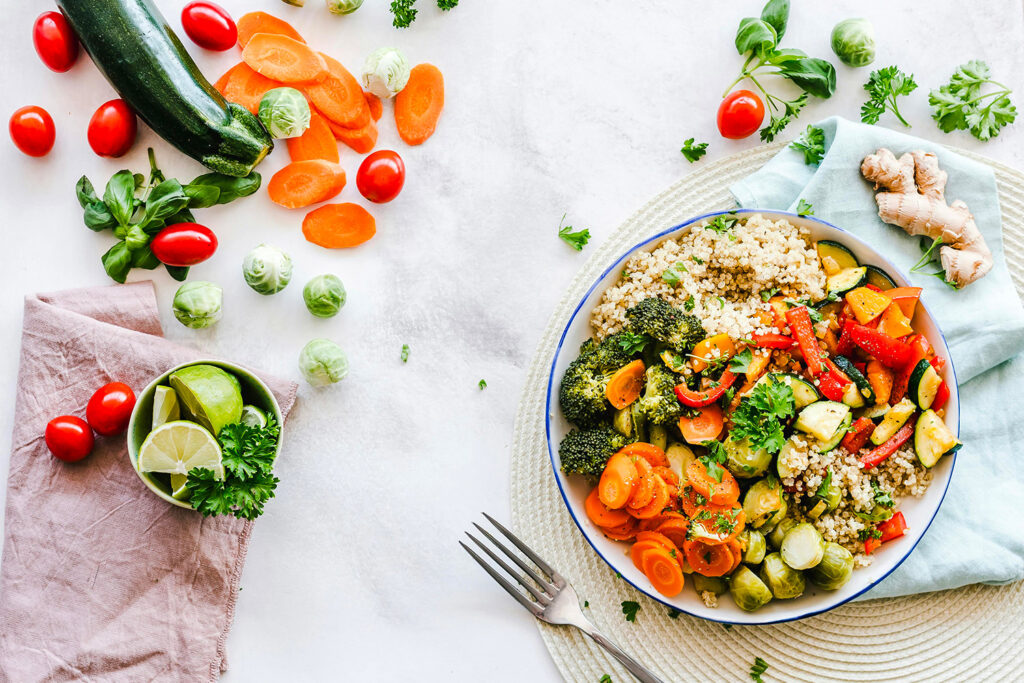
Imaginez remplir votre assiette non pas de fast-food, mais de légumes colorés, de grains entiers et de protéines de qualité.
C’est comme choisir de mettre du carburant premium dans une voiture de sport plutôt que de l’essence ordinaire dans une vieille berline.
Les aliments de haute qualité nourrissent votre corps de manière optimale, vous faisant sentir rassasié plus longtemps et fournissant l’énergie nécessaire pour vos activités quotidiennes.
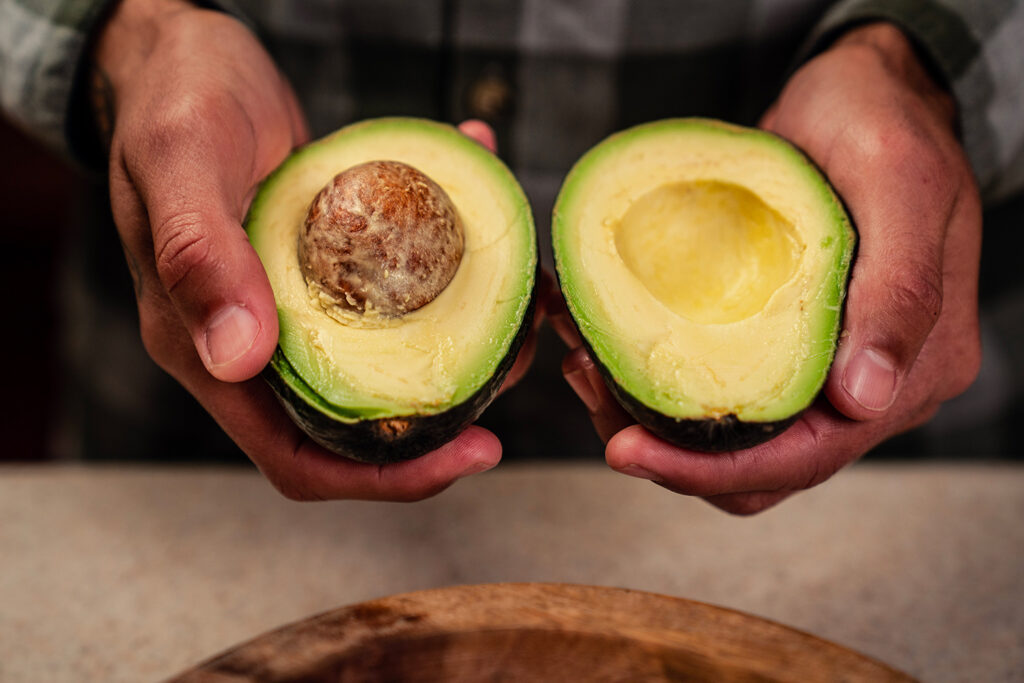
Pensez aux avocats, riches en graisses saines, ou au quinoa, rempli de protéines et de fibres. Ces aliments, comparés à des snacks riches en sucre et en calories vides, sont comme comparer un feu de bois robuste à du papier qui brûle rapidement.
Le premier vous offre une source d’énergie durable, tandis que le second ne fournit qu’un pic d’énergie de courte durée suivi d’une chute rapide.
En choisissant des aliments de haute qualité, vous alimentez votre corps de manière plus efficace, favorisant ainsi une perte de poids saine.
Stimuler le métabolisme : une histoire de balance alimentaire
Augmenter l’apport alimentaire pour stimuler le métabolisme peut sembler paradoxal, mais comprenez-le à travers l’histoire de Maxime.
Maxime, un consultant en informatique, s’est toujours contenté de deux repas par jour, pensant que manger moins l’aiderait à perdre du poids.
Cependant, son corps, en mode de survie, ralentissait son métabolisme pour conserver l’énergie.
Lorsque Maxime a commencé à incorporer des collations saines et des repas supplémentaires, son corps a reçu le signal qu’il n’avait plus besoin de stocker chaque calorie. Son métabolisme s’est accéléré, brûlant des calories plus efficacement.
Imaginez cela comme un feu : en ajoutant régulièrement du bois de qualité (les aliments), le feu (métabolisme) brûle constamment et efficacement.
En mangeant plus souvent, Maxime a donné à son corps l’énergie nécessaire pour maintenir un métabolisme actif, favorisant ainsi une perte de poids plus efficace.
Planifier vos repas pour maximiser la perte de poids
Idées de repas équilibrés : votre guide pour une alimentation saine
Planifier vos repas est un élément clé pour perdre du poids tout en mangeant plus.
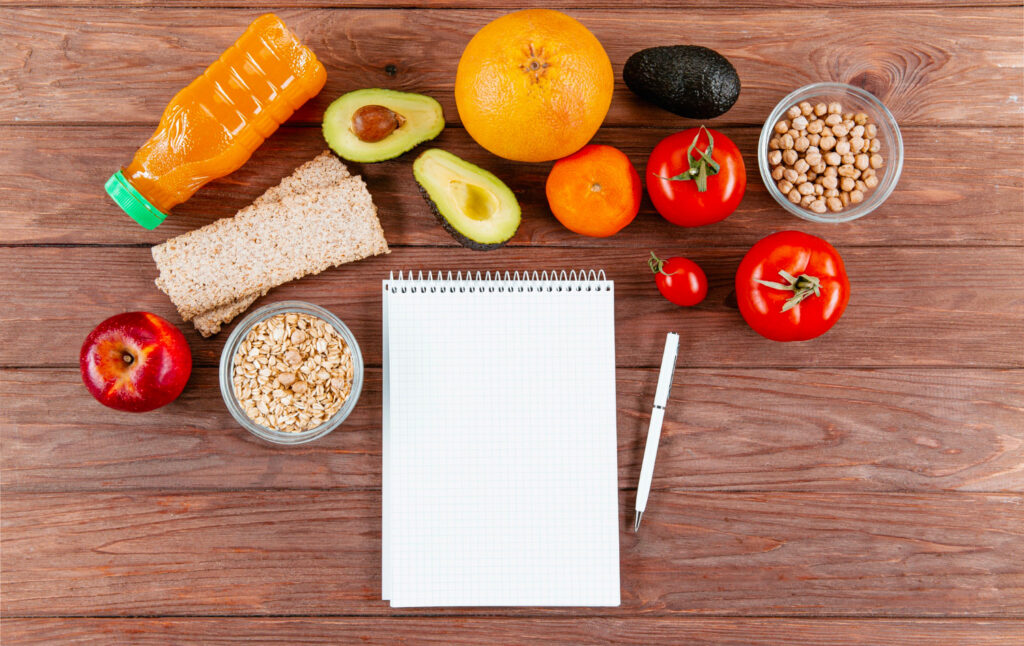
L’idée est de choisir des aliments qui sont non seulement sains, mais aussi satisfaisants. Voici quelques idées pour des repas équilibrés :
- Petit-déjeuner : Commencez la journée avec un bol de porridge aux flocons d’avoine, agrémenté de fruits frais et d’une poignée de noix. Cela vous fournira des fibres, des protéines, et des graisses saines pour commencer la journée du bon pied.
- Déjeuner : Optez pour une salade copieuse avec des légumes de saison, du poulet grillé ou du tofu, des légumineuses comme des pois chiches, et une vinaigrette à base d’huile d’olive. C’est un mélange parfait de protéines, de lipides et de glucides.
- Dîner : Essayez un filet de saumon avec un mélange de légumes rôtis et un petit côté de quinoa. Le saumon apporte des oméga-3 sains, tandis que les légumes et le quinoa offrent des fibres et des nutriments.
N’oubliez pas les collations ! Des options comme des morceaux de pomme avec du beurre d’amande ou des légumes crus avec du houmous sont à la fois nutritives et satisfaisantes.
La fréquence des repas : mythes et réalités
Le débat sur la fréquence des repas est rempli de mythes.
Certains disent que manger souvent stimule le métabolisme, tandis que d’autres prônent moins de repas pour réduire l’apport calorique total.
La vérité est que cela dépend de chaque individu.
Pour certains, manger des petits repas fréquents aide à contrôler la faim et à éviter les excès alimentaires.
Pour d’autres, quelques repas plus importants peuvent être plus satisfaisants et pratiques.
L’important est d’écouter votre corps et de répondre à ses besoins en énergie et en nutriments tout au long de la journée.
Les mythes de la perte de poids démystifiés
Pourquoi manger moins n’est pas toujours la solution ?
L’idée que manger moins est le seul chemin vers la perte de poids est l’un des mythes les plus répandus.
Pourtant, des études montrent que cette approche peut parfois être contreproductive.
Lorsque vous réduisez drastiquement votre apport calorique, votre corps peut entrer en mode de survie, ralentissant le métabolisme pour conserver l’énergie. Cela signifie que, même avec moins de nourriture, la perte de poids peut ralentir ou s’arrêter.
Donc manger plus pour maigrir reste une option pour atteindre vos objectifs.
Les dangers des régimes à la mode : une histoire vécue
Considérons l’histoire d’Emma, une trentenaire qui a expérimenté plusieurs régimes à la mode.
Elle a essayé le jeûne intermittent, les régimes faibles en glucides, les cures de jus… chaque fois, elle perdait du poids rapidement, mais le reprenait tout aussi vite, voire plus.
Cette expérience est malheureusement commune.
Les régimes à la mode promettent souvent des résultats rapides, mais ne sont pas durables à long terme.
Ils peuvent également entraîner une relation malsaine avec la nourriture, des carences nutritionnelles et un métabolisme perturbé.
Comme Emma l’a appris, une approche équilibrée, qui inclut une variété d’aliments nutritifs en quantités suffisantes, est souvent plus efficace pour une perte de poids durable.
Conseils pratiques pour manger plus pour maigrir dans votre vie quotidienne
Adapter un plan alimentaire à votre routine quotidienne
L’adaptation d’un plan alimentaire à votre routine quotidienne ne doit pas être une corvée. Voici quelques astuces pour rendre ce processus aussi simple et flexible que possible :
- Planification hebdomadaire : Prenez un moment chaque semaine pour planifier vos repas. Cela ne signifie pas préparer des repas compliqués, optez pour des aliments simples et sains que vous aimez.
- Préparation en avance : Consacrez une partie de votre week-end à préparer en avance certains repas ou ingrédients. Cela peut inclure la cuisson de grains entiers, la préparation de protéines, ou le découpage de légumes.
- Snacks intelligents : Gardez à portée de main des snacks sains comme des fruits, des noix, ou des yaourts grecs. Ils sont parfaits pour les moments où vous avez besoin d’une collation rapide et nutritive. En complément, une tasse de thé vert peut être un excellent choix, car il est connu pour stimuler le métabolisme et soutenir les efforts de régime.
- Personnalisation selon vos goûts : N’hésitez pas à modifier les recettes selon vos préférences. L’important est de trouver un équilibre entre nutrition et plaisir.
- Soyez flexible : Si un jour vous ne suivez pas votre plan à la lettre, ne vous en faites pas. L’essentiel est de maintenir un équilibre global.
Surmonter les défis et rester motivé

Rester motivé peut parfois être un défi. Voici quelques conseils pour maintenir votre motivation :
- Fixez des objectifs réalistes : Définissez des objectifs atteignables à court terme. Cela peut être aussi simple que d’intégrer un nouveau légume dans votre alimentation chaque semaine.
- Suivez vos progrès : Tenir un journal alimentaire ou utiliser une application pour suivre ce que vous mangez peut vous aider à rester conscient de vos habitudes alimentaires.
- Trouvez un partenaire de responsabilité : Que ce soit un ami, un membre de la famille, ou un groupe en ligne, avoir quelqu’un avec qui partager vos progrès peut augmenter votre motivation.
- Célébrez les petites victoires : Ne vous concentrez pas uniquement sur la perte de poids. Célébrez les changements positifs de style de vie, comme manger plus de fruits et légumes ou améliorer votre endurance.
- Soyez indulgent avec vous-même : Il y aura des jours moins bons. L’important est de ne pas abandonner et de reconnaître que le parcours vers un mode de vie plus sain est un marathon, pas un sprint.
Conclusion : rééquilibrer votre relation avec la nourriture pour une perte de poids durable
Nous avons exploré un chemin inhabituel mais efficace vers la perte de poids : manger plus pour maigrir.
En comprenant les besoins caloriques de base et en choisissant des aliments de qualité, nous pouvons stimuler notre métabolisme et favoriser une perte de poids saine. Il ne s’agit pas de manger sans limite, mais de choisir judicieusement ce que nous mangeons.
Nous avons vu l’importance de planifier nos repas et d’être flexibles dans notre approche, en nous adaptant à nos routines et préférences personnelles.
Le secret réside dans l’équilibre : un équilibre entre les différents groupes d’aliments, un équilibre dans la fréquence des repas, et surtout, un équilibre dans notre relation avec la nourriture.
En adoptant cette nouvelle perspective, nous pouvons non seulement atteindre nos objectifs de perte de poids, mais aussi améliorer notre santé globale et notre bien-être.
Je vous encourage à embrasser ce voyage vers une meilleure santé.
Prenez le temps d’écouter votre corps, d’expérimenter avec différents aliments et fréquences de repas, et de trouver ce qui fonctionne le mieux pour vous.
Avec cette approche, vous pouvez rééquilibrer votre relation avec la nourriture et vous engager sur la voie d’une perte de poids durable et saine.