L’importance de la nutrition est plus qu’une simple question de choix alimentaires, c’est la pierre angulaire d’une vie saine et équilibrée.
À travers l’histoire, l’alimentation a façonné des sociétés entières, influençant tout, de la culture à la santé publique.
Dans le monde moderne, où l’accès à une variété infinie d’aliments est souvent à portée de main, comprendre les principes d’une alimentation équilibrée est devenu crucial.
Des études montrent que les habitudes alimentaires jouent un rôle majeur dans la prévention des maladies, la gestion du poids, et même le bien-être mental.
Cet article vise à démystifier les concepts de la nutrition et à souligner pourquoi une alimentation équilibrée est essentielle pour la santé.
- Définition d’une alimentation équilibrée
- Pourquoi est-ce essentiel pour la santé ?
- Comprendre les fondamentaux de la nutrition
- Impacts de la mauvaise nutrition sur la santé
- La nutrition préventive : un bouclier contre les maladies
- Aliments et habitudes alimentaires bénéfiques
- Conseils pratiques pour une alimentation équilibrée
- Conseils pour toute la famille
- Conclusion

Définition d’une alimentation équilibrée
Une alimentation équilibrée inclut une variété d’aliments, chacun fournissant des nutriments spécifiques essentiels au bon fonctionnement du corps. Ces nutriments se répartissent en plusieurs catégories : protéines, glucides, lipides, vitamines, minéraux et eau.
Les protéines, nécessaires à la croissance et à la réparation des tissus, se trouvent dans la viande, le poisson, les œufs et les légumineuses.
Les glucides, la principale source d’énergie du corps, sont abondants dans les grains entiers, les fruits et les légumes.
Les lipides, essentiels pour la santé du cerveau et la production d’hormones, sont présents dans les huiles, les noix et les poissons gras.
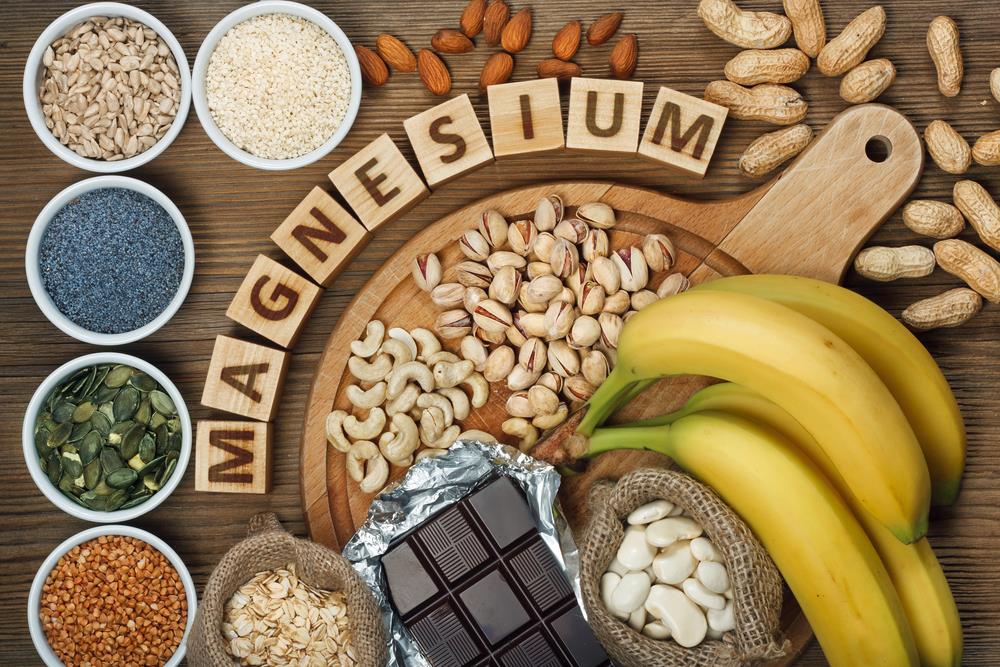
Les vitamines (par exemple : la vitamine B17) et minéraux (par exemple : Le magnésium), cruciaux pour une multitude de fonctions corporelles, sont répartis dans une grande variété d’aliments, tandis que l’eau joue un rôle vital dans toutes les fonctions du corps, y compris la digestion et l’absorption des nutriments.
Selon des experts en nutrition, une alimentation équilibrée n’implique pas seulement de choisir les bons aliments, mais aussi de consommer la bonne quantité et variété pour couvrir tous les besoins nutritionnels. Cela inclut un équilibre entre les différents groupes alimentaires, tout en tenant compte des besoins individuels liés à l’âge, au sexe, au niveau d’activité et à l’état de santé général.
Pourquoi est-ce essentiel pour la santé ?
Les impacts d’une alimentation équilibrée sur la santé sont profonds et durables. Non seulement elle aide à maintenir un poids corporel sain, mais elle renforce également le système immunitaire, augmente les niveaux d’énergie et peut même améliorer l’humeur et la clarté mentale.
Des recherches ont démontré que les régimes alimentaires équilibrés jouent un rôle crucial dans la prévention de maladies chroniques comme les maladies cardiaques, le diabète de type 2, certains types de cancer, et même des maladies mentales comme la dépression.
De plus, une alimentation saine et équilibrée peut réduire considérablement les coûts de santé à long terme en minimisant la nécessité de médicaments et de traitements pour des maladies liées à une mauvaise alimentation.
Comprendre les fondamentaux de la nutrition
Pour adopter une alimentation équilibrée, il est essentiel de comprendre les fondamentaux de la nutrition.
Chaque groupe de nutriments a un rôle spécifique et important :
- Protéines : Elles sont les briques essentielles du corps, utilisées pour construire et réparer les tissus, y compris les muscles et les os. Une variété de sources de protéines, tant animales que végétales, peut garantir un apport adéquat.
- Glucides : Les glucides sont la principale source d’énergie pour le corps. Ils se trouvent dans les fruits, les légumes, les grains entiers et les légumineuses. Les glucides complexes, contrairement aux sucres simples, fournissent une libération d’énergie plus stable et sont riches en fibres.
- Lipides : Les lipides sont essentiels pour la santé du cerveau et la production d’hormones. Les acides gras essentiels, comme les oméga-3, jouent un rôle crucial dans la santé cardiovasculaire et cognitive.
- Vitamines et Minéraux : Ces micronutriments soutiennent une multitude de fonctions corporelles, allant du soutien du système immunitaire à la fortification des os et des dents. Une alimentation riche en fruits et légumes, ainsi qu’en sources variées de protéines et de grains entiers, peut assurer un apport suffisant en ces nutriments essentiels.
L’hydratation est également un élément essentiel de la nutrition. L’eau ne se contente pas de transporter les nutriments à travers le corps, elle est également cruciale pour la digestion, l’absorption et même la régulation de la température corporelle.
Impacts de la mauvaise nutrition sur la santé
L’adoption d’une alimentation déséquilibrée peut avoir des conséquences graves sur la santé. Les risques de l’obésité et des maladies cardiovasculaires sont nettement augmentés par une consommation excessive d’aliments riches en graisses saturées, en sucres ajoutés et en calories vides.
De même, une alimentation riche en sucres simples peut accroître le risque de développer un diabète de type 2, tandis qu’une faible consommation de fibres peut entraîner des problèmes digestifs.
Les carences en nutriments essentiels, dues à une alimentation déséquilibrée, peuvent également entraîner une variété de problèmes de santé, allant de l’anémie à l’ostéoporose.
La nutrition préventive : un bouclier contre les maladies
La nutrition préventive est un concept émergent qui souligne l’importance d’une alimentation équilibrée dans la prévention des maladies.
Des études montrent qu’une alimentation riche en fruits, légumes, grains entiers et sources de protéines maigres peut réduire le risque de nombreuses maladies chroniques.
Par exemple, une consommation élevée d’aliments riches en antioxydants et en fibres peut contribuer à diminuer le risque de certains types de cancer et de maladies cardiaques.
L’intégration d’aliments riches en acides gras essentiels, comme les poissons gras et les noix, ainsi que la prise de gélules d’oméga 3 sans danger, est également associée à une meilleure santé cardiovasculaire et cognitive.
Aliments et habitudes alimentaires bénéfiques
L’adoption d’habitudes alimentaires saines joue un rôle crucial dans la nutrition préventive. Cela inclut la consommation de portions raisonnables, le choix d’aliments peu transformés et la diversification de l’alimentation.
L’intégration d’aliments riches en fibres, tels que les légumes à feuilles, les fruits et les grains entiers, ainsi que les aliments riches en protéines maigres, peut contribuer à un régime alimentaire équilibré.
De plus, limiter la consommation de sel, de sucres ajoutés et de graisses saturées est essentiel pour maintenir une bonne santé.
Conseils pratiques pour une alimentation équilibrée
Planifier les repas à l’avance et faire des choix alimentaires sains peut sembler intimidant au début, mais avec quelques conseils simples, c’est tout à fait réalisable.
Comprendre et utiliser les informations nutritionnelles sur les emballages des aliments peut aider à faire des choix plus sains.
Il est également important de se familiariser avec les tailles de portions recommandées pour éviter la suralimentation. Inclure une variété d’aliments dans le régime alimentaire garantit un apport équilibré en nutriments essentiels.
Conseils pour toute la famille
Encourager une alimentation équilibrée pour tous les membres de la famille est essentiel, que ce soit pour un simple repas ou un pique nique sain. Cela comprend l’introduction d’une grande variété d’aliments sains dès le plus jeune âge, ce qui peut aider à établir des habitudes alimentaires saines pour la vie.
Il est également important de donner l’exemple en adoptant soi-même des habitudes alimentaires saines.
Conclusion
En résumé, une alimentation équilibrée est la fondation d’une bonne santé. Elle joue un rôle essentiel dans la prévention des maladies, l’amélioration du bien-être et le soutien d’un mode de vie sain.
Chaque choix alimentaire que nous faisons peut avoir un impact significatif sur notre santé à long terme.
Il est donc crucial d’adopter de meilleures habitudes alimentaires, en commençant par de petits changements et en progressant vers un régime plus sain et équilibré.