Bienvenue dans le monde fascinant de la vitamine B17, un sujet qui a captivé l’attention des passionnés de santé et de bien-être à travers le monde.
Dans cet article, nous allons explorer ensemble tout ce qu’il y a à savoir sur cette énigmatique « vitamine », de sa composition chimique à son histoire, en passant par les aliments qui en sont riches, ses bienfaits potentiels, et les débats qui l’entourent.
Cette vitamine, souvent entourée de mystère et de controverse, est un sujet captivant pour les passionnés de santé et de bien-être, tout comme le thé, une boisson appréciée dans le monde entier pour ses bienfaits potentiels sur la santé.
Alors que certains lui attribuent des propriétés miraculeuses, d’autres la considèrent avec scepticisme.
Que vous soyez un adepte de la nutrition, curieux de nouvelles découvertes, ou simplement à la recherche d’informations fiables, ce guide est fait pour vous.
Alors, préparez-vous à embarquer dans un voyage instructif, où chaque découverte sera un pas de plus vers une compréhension approfondie de cette vitamine.
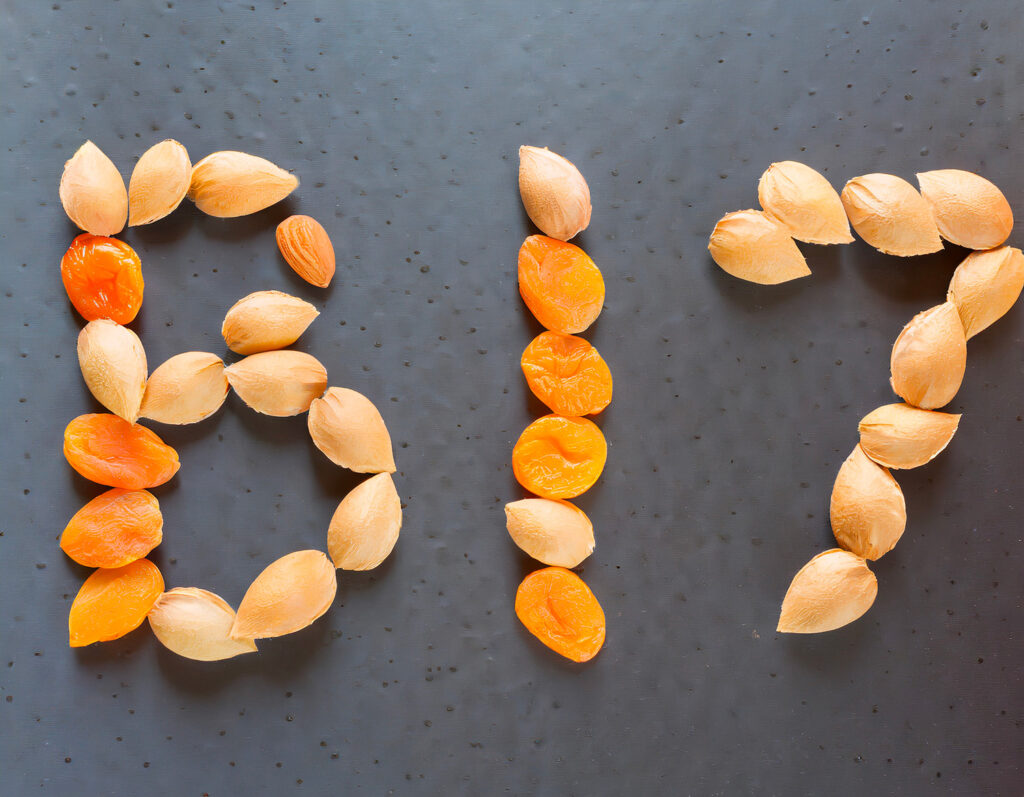
La vitamine B17
Dans cette section, nous allons dévoiler ce qu’est réellement la vitamine B17 et retracer son histoire fascinante, pour vous fournir une compréhension claire et approfondie de ce composé intrigant.
Qu’est-ce que la vitamine B17 ?
La vitamine B17, également connue sous le nom d’amygdaline, n’est pas une vitamine au sens classique du terme.
C’est en réalité un composé naturel trouvé dans certains aliments, surtout dans les noyaux de fruits comme les abricots, les pêches et les amandes amères.
La structure chimique de l’amygdaline lui permet de libérer du cyanure, un composé toxique, lorsqu’elle est métabolisée dans le corps. Ce caractère unique a engendré un débat considérable quant à son utilisation et sa sécurité.
La vitamine B17 a été promue par certains comme ayant des propriétés bénéfiques pour la santé, notamment en matière de prévention et de traitement de certaines maladies.
Cependant, il est important de noter que ces allégations ne sont pas largement reconnues ni soutenues par la communauté scientifique majoritaire.
Histoire et origine de la vitamine B17
L’histoire de la vitamine B17 remonte au début du 20e siècle.
Elle a été popularisée dans les années 1950 par le biochimiste Ernst T. Krebs, qui a théorisé que le cancer est causé par une carence en certains composés vitaux qu’il appelait « vitamines ». Il a classé l’amygdaline, qu’il a nommée « vitamine B17 », comme l’une de ces substances essentielles.
Depuis lors, cette vitamine a fait l’objet de nombreuses recherches, débats et controverses. Alors que certaines études préliminaires ont suggéré des bénéfices potentiels, d’autres ont mis en évidence ses risques, notamment en raison de la toxicité du cyanure qu’elle peut libérer.
Malgré cela, la vitamine B17 a gagné une certaine popularité dans certaines communautés alternatives de santé.
Notre objectif est de vous fournir une vue d’ensemble équilibrée et informative, vous permettant de faire des choix éclairés concernant votre santé.
Aspects scientifiques de la vitamine B17
Pour appréhender pleinement le sujet de la vitamine B17, il est essentiel de se pencher sur ses aspects scientifiques.
Cette section vise à éclairer le lecteur sur la composition chimique de la vitamine B17, ses propriétés uniques, et comment elle interagit avec notre organisme.
Composition chimique et propriétés
La vitamine B17, ou amygdaline, est un composé cyanogénique glucidique, ce qui signifie qu’elle a la capacité de produire du cyanure, un poison puissant, lorsqu’elle est décomposée par le corps.
Sur le plan chimique, elle est constituée de deux molécules de glucose (une forme de glucide), une de benzaldéhyde et une de cyanure d’hydrogène.
Cette structure, riche en glucides, lui confère un potentiel à la fois intéressant et dangereux.
Dans sa forme pure, cette vitamine est relativement inoffensive.
Cependant, lorsqu’elle est ingérée, elle entre en interaction avec l’enzyme bêta-glucosidase présente dans l’intestin.
Cette enzyme scinde l’amygdaline, libérant du cyanure, ce qui peut entraîner une intoxication si la quantité ingérée est suffisamment importante.
Il est important de souligner que la concentration de bêta-glucosidase varie considérablement entre les tissus sains et les cellules cancéreuses, selon certaines théories.
Cette différence a été le fondement de l’hypothèse selon laquelle cette vitamine pourrait cibler sélectivement les cellules cancéreuses, bien que cette affirmation ne soit pas largement acceptée ou prouvée dans la communauté scientifique.
Comment fonctionne la vitamine B17 dans le corps ?
La théorie derrière l’utilisation de la vitamine B17 comme traitement potentiel contre le cancer repose sur l’idée qu’elle pourrait cibler sélectivement les cellules cancéreuses en raison de la concentration plus élevée de l’enzyme bêta-glucosidase dans ces cellules.
L’hypothèse est que, en libérant du cyanure, elle serait capable de détruire les cellules malades tout en épargnant les cellules saines.
Cependant, cette théorie est controversée et n’a pas été scientifiquement prouvée.
De nombreuses études ont montré que le cyanure libéré peut également être dangereux pour les cellules saines, ce qui soulève des inquiétudes importantes quant à la sécurité de l’utilisation de cette vitamine, en particulier en tant que traitement contre le cancer.
En outre, le corps possède une autre enzyme, la rhodanase, qui a la capacité de neutraliser le cyanure en le convertissant en thiocyanate, une substance beaucoup moins toxique.
Cette réaction de neutralisation joue un rôle clé dans la gestion de la toxicité potentielle de cette vitamine.
En conclusion, bien que la théorie derrière la vitamine B17 soit intrigante, elle reste largement non prouvée et controversée.
La compréhension de son fonctionnement dans le corps est cruciale pour évaluer son utilisation potentielle et les risques associés.
Nous reviendrons plus précisément sur les bienfaits potentiels et les controverses sur cette vitamine au cours de cet article.
Sources alimentaires de vitamine B17
Dans cette section, nous explorerons les sources alimentaires naturelles de la vitamine B17.
Découvrir quels aliments sont riches en cette substance peut vous aider à intégrer de manière naturelle et sécurisée la vitamine B17 dans votre alimentation quotidienne.
De plus, nous partagerons quelques recettes faciles et nutritives pour vous aider à profiter des bienfaits potentiels de ces aliments.
Principaux aliments riches en vitamine B17
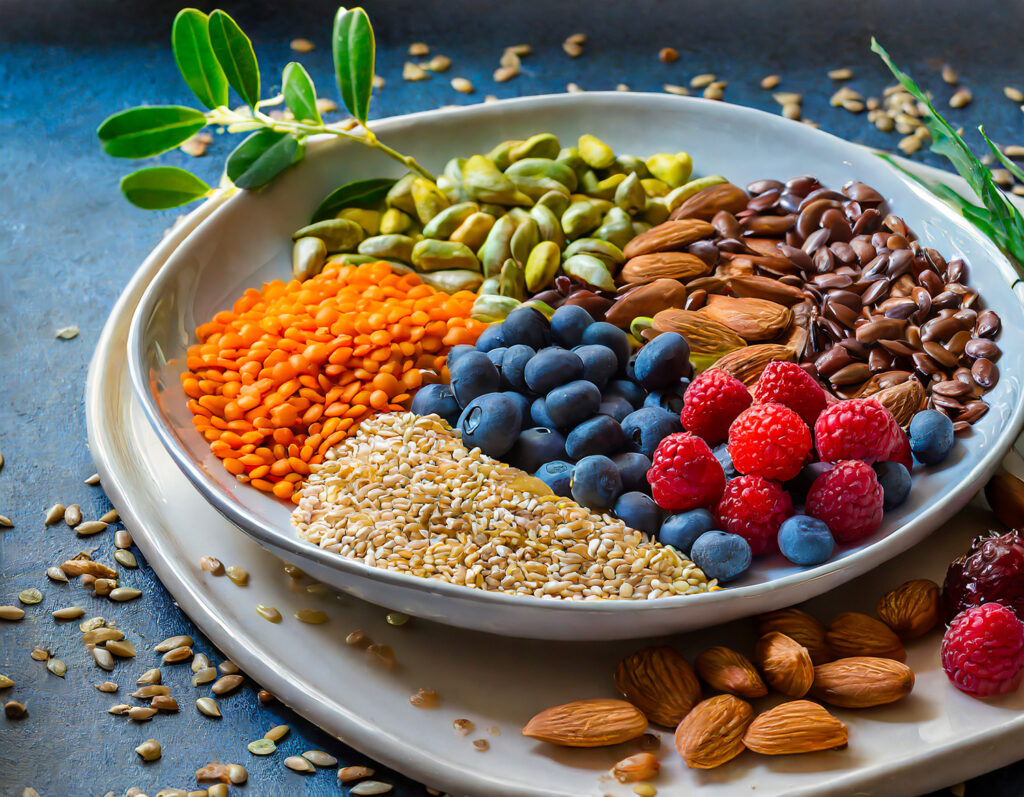
La vitamine B17 se trouve principalement dans les graines et les noyaux de nombreux fruits, ainsi que dans certains autres aliments.
Voici une liste des principales sources alimentaires :
- Noyaux de Fruits : Les noyaux d’abricots, de pêches, de prunes et de cerises sont parmi les sources les plus concentrées. Il est important de noter que ces noyaux doivent être consommés avec prudence en raison de leur teneur en cyanure.
- Amandes Amères : Les amandes amères, riches en lipides bénéfiques, sont également une source significative de vitamine B17. Bien qu’elles partagent avec les amandes douces leur teneur en lipides sains, elles se distinguent par leur teneur en amygdaline, qui leur confère un goût nettement plus amer.
- Graines de Lin : Riches en nutriments et en vitamine B17, les graines de lin peuvent être facilement incorporées dans divers plats.
- Haricots Mungo et Lentilles : Ces légumineuses contiennent également une quantité modérée de cette vitamine et sont excellentes pour la santé globale.
- Baies : Certaines baies, comme les mûres, les framboises et les fraises, contiennent de petites quantités de vitamine B17.
Il est essentiel de consommer ces aliments dans le cadre d’une alimentation équilibrée et de ne pas les surconsommer, surtout en ce qui concerne les noyaux de fruits et les amandes amères, en raison des risques liés au cyanure.
Recettes faciles et nutritives
- Smoothie aux baies et graines de lin : Mélangez des fraises, des mûres, des framboises, une cuillère à soupe de graines de lin moulues et du yaourt nature pour un smoothie riche en vitamine B17.
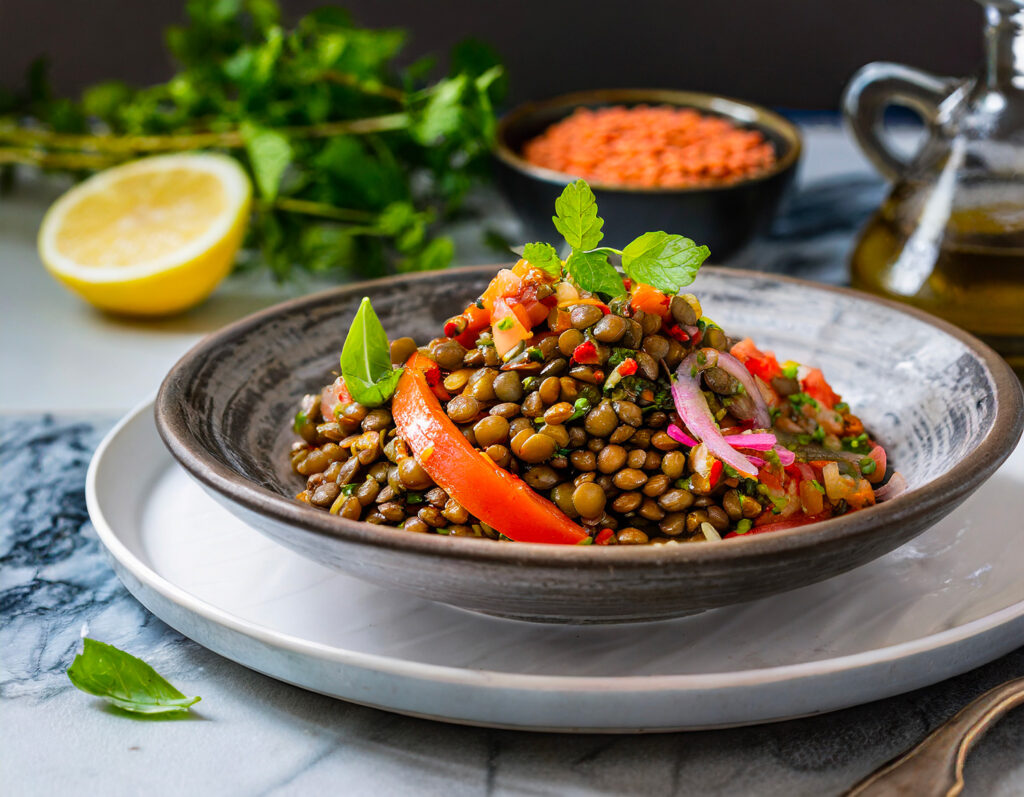
- Salade de lentilles épicée : Pour une source riche en protéines et en vitamine B17, combinez des lentilles cuites avec des tomates cerises, des concombres, et du persil. Assaisonnez cette salade nutritive avec de l’huile d’olive, du jus de citron avec ses effets basifiants, du sel et du poivre pour un repas à la fois savoureux et riche en protéines végétales.
- Amandes amères grillées : Faites griller légèrement des amandes amères dans une poêle à sec pour en rehausser la saveur. Consommez-les avec modération.
- Pudding aux graines de lin : Mélangez des graines de lin moulues avec du lait d’amande, du miel et laissez reposer jusqu’à ce que le mélange épaississe. Ajoutez des fruits frais pour plus de saveur.
Ces recettes non seulement enrichissent votre régime en vitamine B17 mais contribuent également à une alimentation saine et équilibrée.
Elles sont simples à réaliser et peuvent être adaptées selon vos goûts et préférences.
Bienfaits potentiels et controverses
La vitamine B17, entourée de débats et de discussions, soulève autant d’espoir que de scepticisme dans le domaine de la santé.
Cette section vise à démystifier les avantages potentiels pour la santé attribués à cette vitamine, en séparant les mythes des réalités, et à explorer les débats scientifiques ainsi que les avertissements liés à son utilisation.
Avantages pour la santé : mythes et réalités
La vitamine B17 a été promue par certains comme ayant des propriétés anti-cancéreuses, capables de prévenir ou de traiter le cancer.
Cette croyance est principalement basée sur la théorie selon laquelle cette vitamine cible et détruit les cellules cancéreuses en libérant du cyanure.
Cependant, il est crucial de souligner que cette affirmation n’a pas été prouvée scientifiquement et n’est pas reconnue par la majorité de la communauté médicale.
En dehors de ses prétendus effets anti-cancéreux, certains adeptes de la vitamine B17 prétendent également qu’elle peut booster le système immunitaire, améliorer la santé globale, et contribuer à une meilleure qualité de vie.
Malgré ces affirmations, les preuves scientifiques à l’appui de ces bénéfices sont limitées et souvent anecdotiques.
Il est donc essentiel pour les consommateurs d’approcher la vitamine B17 avec un esprit critique, en prenant en compte le manque de preuves scientifiques solides soutenant ces allégations.
La meilleure approche consiste à considérer cette vitamine comme un complément potentiel, sans s’y fier exclusivement pour le traitement ou la prévention de maladies.
Débats scientifiques et avertissements
Le principal débat entourant la vitamine B17 tourne autour de sa sécurité et de son efficacité.
Alors que certains chercheurs et praticiens de la santé alternative continuent d’explorer son potentiel thérapeutique, la majorité des études scientifiques mettent en garde contre ses risques, notamment la toxicité liée à la libération de cyanure.
Des études ont montré que la consommation de vitamine B17, en particulier en grandes quantités, peut entraîner une intoxication au cyanure, présentant des symptômes tels que des maux de tête, des étourdissements, des nausées et, dans les cas graves, une insuffisance respiratoire et même la mort.
En raison de ces risques, la vente de vitamine B17 sous forme de suppléments est réglementée, voire interdite, dans de nombreux pays.
Il est donc impératif pour toute personne envisageant d’utiliser cette vitamine, que ce soit à des fins thérapeutiques ou de bien-être, de consulter un professionnel de santé qualifié.
Cela est particulièrement important pour les personnes ayant des conditions médicales préexistantes ou prenant d’autres médicaments.
Utilisation et dosage de la vitamine B17
La prise de conscience des aspects potentiels et des controverses entourant la vitamine B17 conduit naturellement à la question de son utilisation et de son dosage correct.
Cette section vise à fournir des directives sur la manière d’intégrer cette vitamine dans votre alimentation de manière responsable, ainsi que des conseils sur les dosages recommandés et les précautions à prendre.
Comment intégrer la vitamine B17 dans votre régime ?
Intégrer la vitamine B17 dans votre régime alimentaire peut se faire de manière naturelle, principalement à travers la consommation d’aliments qui en sont riches.
Comme mentionné précédemment, certains noyaux de fruits, amandes amères, graines de lin, et certaines légumineuses sont de bonnes sources de cette vitamine.
- Modération et diversification : La clé est de consommer ces aliments avec modération et dans le cadre d’une alimentation variée. Ceci est crucial pour éviter les risques associés à une consommation excessive, en particulier la toxicité due au cyanure.
- Incorporation dans les repas quotidiens : Vous pouvez ajouter des graines de lin moulues à vos smoothies, céréales ou yaourts. Les amandes amères, en petite quantité, peuvent être utilisées dans certaines recettes pour ajouter de la saveur.
- Écoute de votre corps : Soyez attentif aux signes de votre corps. Si vous ressentez des symptômes inhabituels après avoir consommé ces aliments, il est conseillé de consulter un professionnel de santé.
Dosages recommandés et précautions
- Dosage : Il n’existe pas de dosage standardisé pour la vitamine B17 en raison du manque de consensus dans la communauté scientifique et médicale. Cela signifie que la prudence est de mise lors de sa consommation.
- Précautions pour les groupes à risque : Les femmes enceintes, les enfants, les personnes âgées et ceux qui ont des problèmes de santé sous-jacents devraient être particulièrement prudents. Il est recommandé de consulter un médecin avant de modifier votre régime alimentaire.
- Surveillance médicale : Pour ceux qui envisagent de prendre des suppléments de vitamine B17, une surveillance médicale est essentielle. Les suppléments peuvent présenter des risques plus élevés que les sources alimentaires naturelles.
- Connaissance des symptômes de toxicité : Soyez conscient des symptômes d’intoxication au cyanure, tels que les maux de tête, les nausées, les étourdissements, et la faiblesse. En cas de symptômes, il est impératif de chercher une assistance médicale immédiate.
Vitamine B17 en supplément : disponibilité et législation en France
L’achat et l’utilisation de suppléments de vitamine B17 sont des sujets qui doivent être abordés avec une connaissance approfondie des réglementations en vigueur, en particulier en France.
Cette section vise à fournir des informations claires sur la disponibilité de la vitamine B17 sous forme de supplément, les modalités d’achat, et des conseils pour choisir des produits de qualité.
Acheter de la vitamine B17 : avec ou sans ordonnance ?
En France, la situation légale concernant la vitamine B17, en particulier sous forme de suppléments, est assez complexe.
Cette vitamine, du fait de sa composition et des risques potentiels liés à la toxicité du cyanure, est soumise à des régulations strictes.
- Disponibilité en pharmacie : Les suppléments de vitamine B17 ne sont généralement pas disponibles en pharmacie en France. Leur vente est souvent restreinte en raison des inquiétudes concernant la sécurité et l’efficacité de ces produits.
- Achat en ligne : Certains sites internet proposent des suppléments de cette vitamine. Cependant, il est essentiel de faire preuve de prudence et de vérifier la légitimité et la conformité de ces sites avec la législation française.
- Ordonnance : Puisque la vitamine B17 n’est pas reconnue comme un médicament ou un complément alimentaire standard en France, elle n’est généralement pas vendue sur ordonnance.
Conseils pour choisir des suppléments de qualité
- Vérification de la source : Assurez-vous que le fournisseur ou le fabricant du supplément est réputé et conforme aux normes de sécurité et de qualité. Recherchez des avis et des certifications qui peuvent attester de la fiabilité du produit.
- Composition et dosage : Vérifiez attentivement la composition du supplément pour vous assurer qu’il ne contient pas de niveaux dangereux de cyanure. Il est également important de comprendre le dosage recommandé et la manière dont le supplément devrait être consommé.
- Consultation médicale : Avant de prendre tout supplément, y compris ceux contenant de la vitamine B17, il est fortement conseillé de consulter un professionnel de santé. Cela est particulièrement important en France, où la réglementation sur les suppléments de vitamine B17 est stricte.
- Prudence avec les achats en ligne : Soyez extrêmement prudent lorsque vous achetez des suppléments en ligne, surtout si le site est basé hors de France. Assurez-vous que le site est fiable et que les produits sont autorisés pour la vente et l’importation en France.
Conclusion et recommandations
Après avoir exploré en détail les multiples facettes de la vitamine B17, de sa composition chimique et sources alimentaires à ses controverses et aspects légaux, il est temps de conclure cet article et de fournir des recommandations pratiques pour une consommation responsable de la vitamine B17.
Résumé des points clés
- Nature de la vitamine B17 : La vitamine B17, ou amygdaline, n’est pas une vitamine traditionnelle, mais un composé trouvé dans certains aliments, notamment les noyaux de fruits et les amandes amères. Sa capacité à libérer du cyanure lors de sa décomposition dans le corps humain a suscité d’importants débats sur son usage.
- Bienfaits et risques : Bien que certains prétendent que cette vitamine a des propriétés anti-cancéreuses et de renforcement du système immunitaire, ces affirmations ne sont pas solidement étayées par des recherches scientifiques. Par ailleurs, la consommation de vitamine B17, en particulier en grande quantité, peut entraîner une intoxication au cyanure.
- Disponibilité et législation en France : La vente de suppléments de vitamine B17 est réglementée en France, et leur achat nécessite une grande prudence, notamment en ce qui concerne la qualité et la légalité des produits.
Conseils pour une consommation responsable
- Prudence et modération : Si vous choisissez d’inclure des aliments contenant naturellement de la vitamine B17 dans votre régime, faites-le avec modération. Évitez de consommer de grandes quantités de noyaux de fruits ou d’amandes amères.
- Consultation médicale : Avant de prendre des suppléments de vitamine B17, ou si vous envisagez de modifier significativement votre alimentation pour y inclure des sources de vitamine B17, consultez un professionnel de santé. C’est particulièrement important pour ceux qui ont des conditions médicales existantes ou qui prennent d’autres médicaments.
- Choix éclairés : Faites des recherches approfondies et soyez bien informé avant d’acheter des suppléments de vitamine B17. Vérifiez la réputation des fabricants et la conformité des produits avec les réglementations locales.
- Éducation continue : Restez informé des dernières recherches et études concernant la vitamine B17. La science évolue constamment, et ce qui est considéré comme incertain aujourd’hui pourrait être clarifié demain.
Nous avons exploré en détail cette vitamine, mais si vous vous intéressez à d’autres questions de santé et de nutrition, je vous invite à consulter nos articles sur des sujets similaires.
Par exemple, découvrez notre article, magnésium effet immédiat : booster votre santé !, pour plus d’informations pertinentes.