Lorsqu’on parle de saveurs, nous pensons généralement au sucré, salé, acide et amer.
Cependant, il existe une cinquième saveur, souvent méconnue, qui peut transformer notre manière de savourer les aliments : l’umami.
Découverte au début du XXe siècle par un scientifique japonais, cette saveur unique est décrite comme un goût savoureux et agréable qui sublime les plats.
Mais l’umami ne se contente pas d’améliorer notre expérience culinaire, il joue également un rôle crucial dans une alimentation saine et équilibrée.
Dans cet article, nous explorerons en profondeur le goût umami, ses caractéristiques, ses sources naturelles, et ses multiples bienfaits pour notre santé.
Préparez-vous à découvrir comment cette cinquième saveur peut enrichir votre régime alimentaire et vous aider à réduire votre consommation de sel tout en augmentant votre plaisir gustatif.
C’est quoi l’umami ?
Le terme « umami » vient du japonais et peut se traduire par « savoureux » ou « délicieux ».
Découvert en 1908 par le professeur Kikunae Ikeda de l’Université impériale de Tokyo, l’umami est reconnu comme la cinquième saveur fondamentale aux côtés du sucré, salé, acide et amer.
Ikeda identifia l’acide glutamique, un acide aminé, comme étant à l’origine de cette saveur distinctive après avoir analysé le bouillon dashi, un élément de base de la cuisine japonaise.
L’umami se distingue par une profondeur et une richesse qui ajoutent de la complexité aux plats.
Il est souvent décrit comme une sensation de bouche pleine, qui perdure et stimule la salivation.
Cette saveur rehausse naturellement le goût des aliments, les rendant plus appétissants et satisfaisants sans qu’ils soient trop salés ou sucrés.

Les aliments naturellement riches en umami
Incorporer des aliments riches en umami dans votre alimentation peut non seulement améliorer la saveur de vos plats, mais aussi offrir une variété de bienfaits nutritionnels.
Voici une liste détaillée des aliments naturellement riches en umami que vous pouvez intégrer à vos repas :
- Tomates
- Tomates fraîches : Les tomates mûres sont riches en acide glutamique, un composant clé de l’umami. Elles peuvent être utilisées crues dans des salades ou cuites dans des sauces et des ragoûts.
- Tomates séchées au soleil : La concentration de saveurs dans les tomates séchées au soleil en fait une source intense d’umami. Ajoutez-les aux salades, aux pâtes ou aux pizzas.
- Pâte de tomate : Utilisée dans les sauces, les soupes et les ragoûts, la pâte de tomate apporte une profondeur de saveur umami.
- Champignons
- Champignons shiitake : Les shiitakes, particulièrement lorsqu’ils sont séchés, sont riches en guanylate, un composé umami. Ils peuvent être réhydratés et ajoutés à des soupes, des ragoûts ou des sautés.
- Portobello et crimini : Ces champignons ajoutent une profondeur savoureuse aux plats lorsqu’ils sont grillés, rôtis ou sautés.
- Fromages vieillis
- Parmesan : Le parmesan regorge de glutamate, ce qui en fait un excellent ajout aux pâtes, risottos, et salades pour un coup de pouce umami.
- Pecorino Romano et Gruyère : Ces fromages offrent également une saveur umami intense et peuvent être utilisés râpés ou en copeaux dans diverses préparations.
- Viandes et poissons
- Bœuf et porc : Ces viandes, lorsqu’elles sont mijotées ou rôties lentement, libèrent des inosinate qui intensifient le goût umami.
- Poulet : Le poulet, particulièrement lorsqu’il est rôti ou utilisé dans des bouillons, est une source riche en umami.
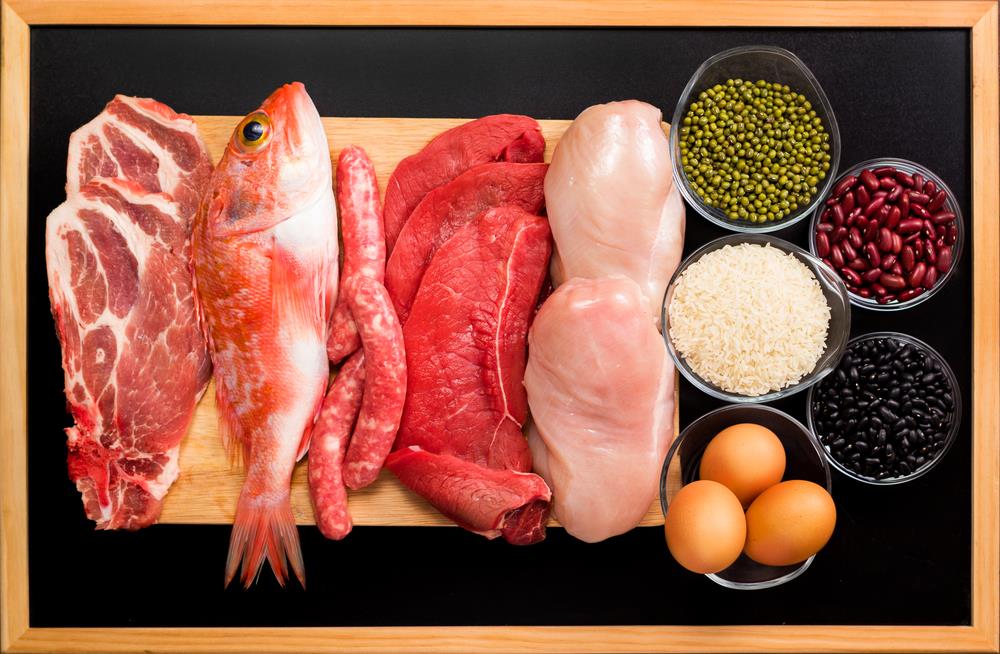
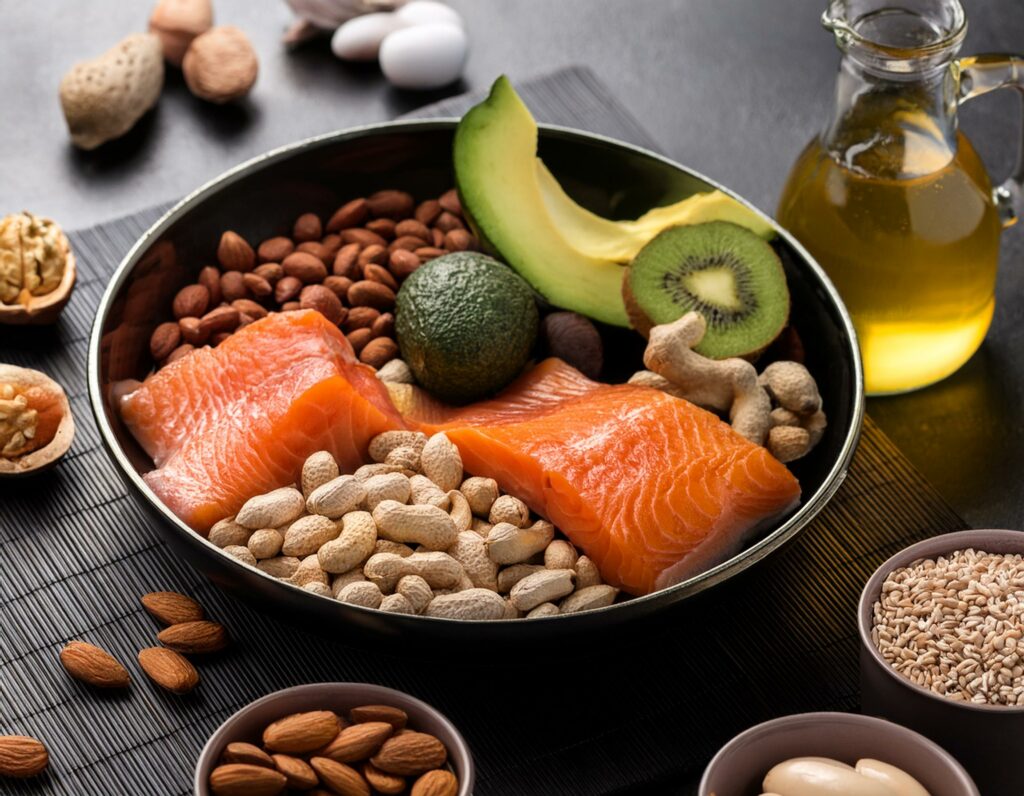
- Poissons gras : Les sardines, le thon, le saumon et les anchois sont des poissons riches en inosinate et en oméga-3. Ils peuvent être consommés frais, en conserve ou sous forme de pâte.
- Produits de la mer
- Algues kombu : Utilisées dans les bouillons dashi japonais, les algues kombu sont une source concentrée de glutamate.
- Bonite séchée (katsuobushi) : Cette bonite séchée et fermentée est utilisée pour faire le dashi, une base de bouillon riche en umami.
- Légumineuses et produits fermentés
- Pâte de miso : Produit de la fermentation du soja, le miso est riche en glutamate et peut être utilisé dans les soupes, les sauces et les marinades.
- Sauce soja : Cette sauce fermentée est une source concentrée d’umami, idéale pour les marinades, les sauces et les vinaigrettes.
- Sauce de poisson : Utilisée principalement dans la cuisine asiatique, la sauce de poisson ajoute une saveur umami intense aux plats.
- Autres légumes
- Pois : Les pois frais ou en conserve contiennent du glutamate, ajoutant une note umami aux soupes et aux ragoûts.
- Épinards et choux : Ces légumes verts, surtout lorsqu’ils sont cuits, développent une saveur umami.
- Produits laitiers
- Lait maternel : Fait intéressant, le lait maternel humain est naturellement riche en glutamate, ce qui introduit l’umami dès les premiers stades de la vie.
Essayez de combiner plusieurs de ces ingrédients dans une même recette pour intensifier l’effet umami et savourer une expérience culinaire riche et profonde.
Maintenant, voyons comment réunir tous ces éléments pour obtenir le goût umami.
Comment avoir le goût umami ?
Obtenir le goût umami dans vos plats peut transformer votre expérience culinaire en ajoutant une profondeur et une richesse savoureuse.
Pour intégrer cette cinquième saveur dans vos repas, voici plusieurs méthodes et conseils pratiques :
- Utiliser des ingrédients riches en umami : La première étape pour obtenir le goût umami est de cuisiner avec des ingrédients naturellement riches en cette saveur.
- Combiner des ingrédients umami : Pour amplifier l’umami dans vos plats, combinez plusieurs ingrédients riches en umami. Par exemple, un bouillon fait avec du kombu, des shiitakes et de la sauce soja créera une base extrêmement savoureuse.
- Utiliser des techniques de cuisson appropriées : Certaines méthodes de cuisson peuvent intensifier l’umami. Voici quelques-unes :
- Rôtissage : Rôtir des légumes comme les tomates ou les champignons concentre leurs saveurs umami.
- Grillade : Griller de la viande ou du poisson permet de caraméliser les sucres et de libérer davantage de composés umami.
- Fermentation : La fermentation de produits comme le miso, la sauce soja ou le kimchi crée et concentre l’umami.
- Préparer des bouillons riches en umami : Les bouillons faits maison avec des ingrédients umami sont une excellente façon d’ajouter de la profondeur à vos plats. Un dashi japonais classique, par exemple, est fait à partir de kombu (algue) et de katsuobushi (bonite séchée), créant une base riche en umami.
- Utiliser des assaisonnements umami : Les assaisonnements tels que le MSG (glutamate monosodique) peuvent être ajoutés en petites quantités pour augmenter l’umami sans altérer le goût naturel des aliments. Utilisez-le avec parcimonie pour éviter de trop saler vos plats.
- Expérimenter avec des sauces et des condiments : Ajoutez de la sauce soja, de la sauce de poisson, de la pâte de miso, ou même du bouillon concentré à vos plats pour un coup de pouce umami instantané.
- Faire mariner les aliments : Mariner les viandes et les légumes dans des mélanges contenant des ingrédients umami, comme la sauce soja, le miso ou le yaourt, permet de pénétrer la saveur profondément dans les aliments.
- Dégustation et ajustement : Lorsque vous cuisinez, goûtez vos préparations à chaque étape et ajustez les ingrédients umami pour atteindre le niveau de saveur désiré. Cela vous aidera à trouver le bon équilibre sans surcharger vos plats.
Comment identifier l’umami ?
Identifier l’umami dans les aliments peut sembler subtil au premier abord, mais avec un peu de pratique, il devient plus facile de repérer cette saveur unique.
Voici quelques conseils pour vous aider à reconnaître l’umami :
- Connaître les composés umami : Les principaux composés responsables de l’umami sont le glutamate, l’inosinate et le guanylate. Le glutamate est un acide aminé, tandis que l’inosinate et le guanylate sont des nucléotides. Ces substances sont naturellement présentes dans divers aliments et sont essentielles pour identifier l’umami.
- Apprendre à goûter les aliments riches en umami : Pour entraîner votre palais, essayez de déguster des aliments connus pour leur teneur élevée en umami.
- Observer la sensation en bouche : L’umami se manifeste par une sensation de bouche pleine et satisfaisante. Contrairement aux autres saveurs, il persiste longtemps après avoir avalé et laisse une sensation agréable qui incite à en vouloir plus.
- Comparer les saveurs : Pour mieux percevoir l’umami, essayez de comparer des aliments similaires, l’un riche en umami et l’autre non. Par exemple, goûtez une tomate fraîche à côté d’une tomate séchée au soleil. La différence notable de richesse et de profondeur en bouche est due à l’umami.
- Cuisiner avec des ingrédients umami : En intégrant des ingrédients riches en umami dans vos recettes, vous pouvez mieux comprendre comment cette saveur influence l’ensemble du plat. Expérimentez avec des bouillons, des sauces et des marinades contenant des ingrédients umami pour observer l’impact sur le goût global.
- Éviter les distractions : Pour une identification précise, goûtez les aliments dans un environnement calme, en évitant les distractions et en vous concentrant sur la saveur et la sensation en bouche.
En suivant ces étapes, vous développerez votre capacité à identifier et à apprécier l’umami dans les aliments.
Cette compétence enrichira non seulement votre expérience culinaire mais vous permettra également de créer des repas plus équilibrés et savoureux, mettant en valeur cette cinquième saveur unique.
Les bienfaits de l’umami pour une alimentation saine
L’intégration de l’umami dans votre alimentation ne se contente pas de rehausser la saveur de vos plats, elle offre également plusieurs avantages pour la santé :
- Amélioration de la satisfaction alimentaire
- Sensation de satiété : Les aliments riches en umami ont tendance à être plus satisfaisants et peuvent prolonger la sensation de satiété. Cela est particulièrement bénéfique pour ceux qui cherchent à contrôler leur poids ou à éviter les grignotages entre les repas.
- Diminution des envies de sucre : En rehaussant la satisfaction gustative des repas, l’umami peut aider à réduire les envies de sucreries et de collations malsaines.
- Stimulation de la digestion
- Activation des glandes salivaires : L’umami stimule la production de salive, ce qui facilite la décomposition et la digestion des aliments. Une meilleure digestion peut améliorer l’absorption des nutriments et la santé digestive globale.
- Promotion d’une flore intestinale saine : Les aliments fermentés riches en umami, comme le miso et la sauce soja, contiennent des probiotiques bénéfiques pour la santé intestinale. Une flore intestinale équilibrée est essentielle pour une bonne digestion et un système immunitaire fort.
- Apport nutritionnel
- Sources de vitamines et minéraux : Les aliments umami, tels que les champignons, les tomates et les produits de la mer, sont riches en nutriments essentiels comme les vitamines B12, B, le fer, le zinc, le potassium et le magnésium.
- Protéines de haute qualité : Les viandes, poissons et produits laitiers riches en umami fournissent des protéines complètes nécessaires à la croissance, à la réparation des tissus et à la production d’enzymes et d’hormones.
- Amélioration des habitudes alimentaires
- Encouragement à cuisiner maison : La découverte des ingrédients umami incite souvent à cuisiner plus à la maison, ce qui permet de mieux contrôler les ingrédients et les méthodes de préparation, menant à une alimentation plus saine.
- Diversification des repas : En explorant les sources d’umami, on est amené à essayer de nouveaux aliments et recettes, augmentant ainsi la diversité alimentaire, ce qui est crucial pour un apport équilibré en nutriments.
- Support à des régimes alimentaires spécifiques
- Régimes faibles en sodium : Pour les personnes suivant un régime faible en sodium, l’umami offre une alternative savoureuse pour maintenir le plaisir gustatif sans compromettre la santé.
- Diètes végétariennes et véganes : L’umami peut améliorer la saveur des plats à base de plantes, rendant les régimes végétariens et véganes plus appétissants et satisfaisants.
En intégrant des ingrédients riches en umami dans votre alimentation quotidienne, vous pouvez non seulement profiter de repas plus savoureux, mais aussi bénéficier d’une série d’avantages pour la santé.
Cette cinquième saveur peut transformer votre façon de cuisiner et de manger, rendant chaque repas à la fois plus agréable et plus nutritif.
L’umami comme alternative au sel
L’excès de sel dans l’alimentation est un problème courant, souvent lié à des risques accrus de maladies cardiovasculaires, d’hypertension et de rétention d’eau.
Pour ceux qui cherchent à réduire leur consommation de sel sans sacrifier la saveur, l’umami offre une solution idéale.
Voici comment l’umami peut servir d’alternative efficace au sel :
- Intensification des saveurs sans ajouter de sel
- Réhaussement naturel des goûts : L’umami a la capacité unique de rehausser les saveurs des aliments de manière naturelle. En utilisant des ingrédients riches en umami, comme les champignons shiitake, la sauce soja ou les tomates séchées, vous pouvez augmenter la complexité et la profondeur de vos plats sans ajouter de sel.
- Complément des autres saveurs : L’umami amplifie les saveurs existantes dans les aliments, rendant les plats plus savoureux et satisfaisants. Cela permet de réduire la dépendance au sel pour améliorer le goût.
- Substitution directe dans les recettes
- Utilisation de sauces et condiments umami : Remplacez ou complétez le sel par des sauces fermentées telles que la sauce soja, la sauce de poisson ou la pâte de miso. Ces condiments apportent non seulement de l’umami mais aussi une richesse de saveurs qui peut remplacer le sel dans de nombreuses recettes.
- Intégration de bouillons umami : Les bouillons riches en umami, comme le dashi japonais, peuvent servir de base pour les soupes, les ragoûts et les sauces, apportant une profondeur de goût sans le besoin d’ajouter du sel.
- Combinaison avec des ingrédients riches en umami
- Viandes et légumes : Les viandes cuites lentement, les champignons, les tomates mûres, et les algues kombu sont tous des exemples d’ingrédients qui contiennent naturellement du glutamate et peuvent remplacer le sel dans vos préparations culinaires.
- Produits laitiers : Les fromages vieillis comme le parmesan et le pecorino peuvent être râpés sur les plats pour ajouter une dimension umami qui réduit le besoin de saler.
- Avantages pour la santé
- Réduction de la pression artérielle : En diminuant l’apport en sel grâce à l’utilisation d’ingrédients umami, vous pouvez aider à maintenir une pression artérielle saine et réduire le risque de maladies cardiovasculaires.
- Moins de rétention d’eau : Un régime à faible teneur en sel peut également réduire la rétention d’eau et les gonflements, contribuant à une meilleure gestion du poids et à une sensation de bien-être général.
- Techniques de cuisson pour maximiser l’umami
- Rôtissage et grillade : Ces méthodes de cuisson concentrent les saveurs umami dans les viandes et les légumes, ce qui peut rendre les plats plus savoureux sans avoir besoin d’ajouter du sel.
- Fermentation et vieillissement : La fermentation des aliments, comme dans le cas du miso ou de la sauce soja, et le vieillissement des fromages créent et intensifient les composés umami, offrant ainsi des alternatives savoureuses au sel.
- Expérimentation culinaire
- Créativité en cuisine : Expérimentez avec différents ingrédients umami pour découvrir de nouvelles combinaisons de saveurs. Par exemple, ajouter des tomates séchées ou des champignons séchés à vos recettes peut transformer un plat simple en une expérience gustative riche et complexe.
- Adoption de cuisines umami-riches : Explorez les cuisines qui mettent en valeur l’umami, comme la cuisine japonaise, qui utilise abondamment des ingrédients tels que le kombu, les shiitakes et le miso, ou la cuisine italienne, avec ses tomates, fromages et anchois.
En incorporant des ingrédients et des techniques riches en umami, vous pouvez réduire votre consommation de sel tout en maintenant, voire en améliorant, la saveur de vos plats.
Pour en savoir plus sur des alternatives faibles en sel, consultez notre article sur l’eau pétillante la moins salée.
L’umami ne se contente pas de remplacer le sel, il enrichit et approfondit la complexité gustative de vos recettes, rendant chaque repas plus satisfaisant et bénéfique pour la santé.
Conclusion
En découvrant et en intégrant l’umami dans votre alimentation, vous ouvrez la porte à une expérience culinaire plus riche et plus satisfaisante.
Cette cinquième saveur, souvent sous-estimée, peut transformer vos repas en augmentant la profondeur et la complexité des goûts sans ajouter de sel en excès.
En utilisant des ingrédients naturellement riches en umami comme les tomates, les champignons, les viandes, les poissons, et les produits fermentés, vous pouvez non seulement améliorer la saveur de vos plats mais aussi bénéficier de nombreux avantages pour la santé.
L’umami aide à réduire la consommation de sel, ce qui est crucial pour maintenir une pression artérielle saine et prévenir les maladies cardiovasculaires.
De plus, cette saveur unique peut prolonger la sensation de satiété, aidant à contrôler l’appétit et à éviter les grignotages entre les repas.
En stimulant la production de salive et en facilitant la digestion, l’umami contribue également à une meilleure absorption des nutriments.
Que vous soyez un cuisinier amateur ou un chef expérimenté, l’exploration de l’umami peut revitaliser votre approche de la cuisine et enrichir vos recettes.
Essayez de combiner plusieurs ingrédients umami dans vos plats pour maximiser cette saveur et profitez d’une expérience culinaire profondément savoureuse.
En adoptant l’umami, vous ne faites pas seulement un choix pour le goût, mais aussi pour une alimentation plus saine et équilibrée.
Alors, la prochaine fois que vous planifiez un repas, pensez à intégrer l’umami pour élever vos plats à un nouveau niveau de délice et de bien-être.
Bon appétit !