Lorsqu’il s’agit de nutrition et de digestion, de nombreux mythes circulent, et l’un des plus courants est celui qui prétend que les carottes peuvent causer la constipation.
Pourtant, cette croyance populaire est loin de la réalité.
En fait, les carottes, riches en fibres et en nutriments essentiels, sont bien connues pour leurs bienfaits sur la digestion.
Dans cet article, nous allons démystifier cette idée reçue, explorer les raisons pour lesquelles les carottes ne constipent pas, et vous donner des conseils pratiques pour les intégrer efficacement dans votre alimentation.
Vous découvrirez également quels aliments éviter pour prévenir la constipation et les multiples bienfaits des carottes pour la santé.

Pourquoi les carottes ne constipent pas ?
Les carottes sont souvent perçues à tort comme un aliment pouvant causer la constipation. Pourtant, la vérité est bien différente.
Riches en fibres alimentaires
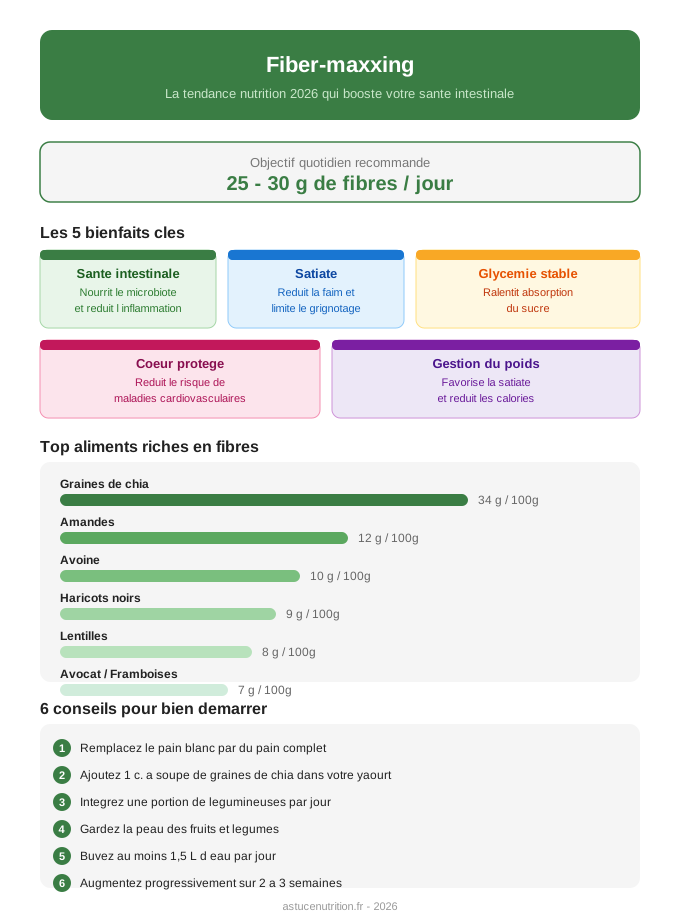
Les carottes sont une excellente source de fibres alimentaires, essentielles pour le bon fonctionnement du système digestif.
Les fibres insolubles, présentes en grande quantité dans les carottes, augmentent le volume des selles et facilitent leur passage à travers le tractus intestinal.
Cela contribue à prévenir la constipation en régulant le transit intestinal.
Hydratation et volume des selles
En plus des fibres, les carottes contiennent une quantité significative d’eau.
Cette combinaison de fibres et d’eau aide à maintenir les selles molles et volumineuses, facilitant ainsi leur expulsion.
Une bonne hydratation est cruciale pour éviter la constipation, et les carottes y contribuent efficacement.
Effet prébiotique
Les fibres présentes dans les carottes servent également de nourriture aux bonnes bactéries présentes dans notre intestin.
Ces bactéries bénéfiques, appelées probiotiques, jouent un rôle clé dans la digestion et le maintien de la santé intestinale.
En favorisant la croissance de ces probiotiques, les carottes aident à maintenir un équilibre sain de la flore intestinale, ce qui peut prévenir la constipation.
Nutriments essentiels pour la digestion
Les carottes sont riches en vitamines et minéraux, notamment en vitamine A, vitamine K, vitamine C, et potassium.
Ces nutriments sont essentiels pour le bon fonctionnement du système digestif et contribuent à une digestion saine et efficace.
Le potassium, par exemple, aide à réguler les contractions musculaires du tube digestif, facilitant ainsi le transit des aliments.
Effet antioxydant et anti-inflammatoire
Les antioxydants présents dans les carottes, comme le bêta-carotène, ont des propriétés anti-inflammatoires qui peuvent aider à réduire l’inflammation du tractus intestinal.
Une inflammation réduite peut améliorer la motilité intestinale et prévenir les troubles digestifs, y compris la constipation.
Loin de constiper, les carottes sont en réalité un allié précieux pour maintenir une bonne santé digestive. Leur richesse en fibres, en eau, et en nutriments essentiels en fait un aliment idéal pour favoriser un transit intestinal régulier et prévenir la constipation.
L’origine de la croyance que les carottes constipent
La croyance que les carottes peuvent causer la constipation est profondément enracinée dans certaines cultures et traditions.
Mais d’où vient cette idée, et pourquoi persiste-t-elle malgré les preuves scientifiques du contraire ? Explorons les origines de ce mythe.
Confusion avec d’autres aliments riches en fibres
Une des raisons principales pourrait être la confusion entre les effets des carottes et ceux d’autres aliments riches en fibres.
Certains aliments, lorsqu’ils sont consommés en grande quantité sans une hydratation adéquate, peuvent effectivement causer des ballonnements et une sensation de lourdeur, ce qui peut être interprété à tort comme de la constipation.
Par conséquent, les carottes, riches en fibres, pourraient avoir été injustement cataloguées de la même manière.
Mauvaises expériences individuelles
Les expériences individuelles jouent également un rôle dans la propagation des croyances alimentaires.
Si une personne ressent un inconfort digestif après avoir consommé des carottes, elle pourrait attribuer ce malaise aux carottes elles-mêmes, plutôt qu’à d’autres facteurs comme une consommation insuffisante d’eau ou une combinaison d’aliments inappropriée.
Ces anecdotes personnelles peuvent se transformer en mythes lorsqu’elles sont partagées et généralisées.
Influence des conseils diététiques traditionnels
Dans certaines traditions médicales et diététiques, les carottes ont été perçues comme des aliments à consommer avec modération pour éviter les troubles digestifs.
Par exemple, dans la médecine traditionnelle chinoise, certains aliments sont classés selon leurs effets supposés sur le corps, et les carottes peuvent parfois être recommandées de manière restrictive en raison de leur nature « yang » ou de leur « chaleur ».
Ces recommandations, bien que basées sur des systèmes médicaux différents, peuvent contribuer à la croyance que les carottes peuvent causer des problèmes digestifs.
Interprétations erronées des effets digestifs
Il est également possible que certaines interprétations erronées des effets digestifs des carottes aient contribué à ce mythe.
Par exemple, la consommation excessive de fibres sans une hydratation adéquate peut effectivement ralentir le transit intestinal.
Si les carottes sont consommées en grande quantité sans boire suffisamment d’eau, cela peut entraîner une sensation de lourdeur ou de ballonnement, qui pourrait être interprétée comme de la constipation.
Propagation des mythes alimentaires
Les mythes alimentaires ont tendance à se propager facilement, surtout à l’ère de l’information rapide et des réseaux sociaux.
Une fausse idée, une fois répandue, peut être difficile à corriger, surtout si elle est partagée par des sources perçues comme fiables.
Les croyances populaires ont une force tenace, et il faut souvent beaucoup de temps et d’efforts pour les dissiper, même face à des preuves scientifiques solides.
Comment consommer les carottes pour améliorer la digestion
Voici quelques conseils pratiques pour maximiser leurs bienfaits digestifs.
Consommer des carottes crues
Les carottes crues sont une excellente source de fibres insolubles, qui ajoutent du volume aux selles et facilitent leur passage à travers le tractus intestinal.
Pour une digestion optimale, intégrez des carottes crues dans votre alimentation sous forme de bâtonnets à grignoter, de salades, ou de crudités accompagnées de houmous ou d’une autre trempette saine.
Carottes cuites pour une meilleure absorption des nutriments
La cuisson des carottes, notamment à la vapeur ou à l’eau, peut améliorer la biodisponibilité de certains nutriments, comme le bêta-carotène.
Les carottes cuites sont plus tendres et peuvent être plus faciles à digérer pour certaines personnes.
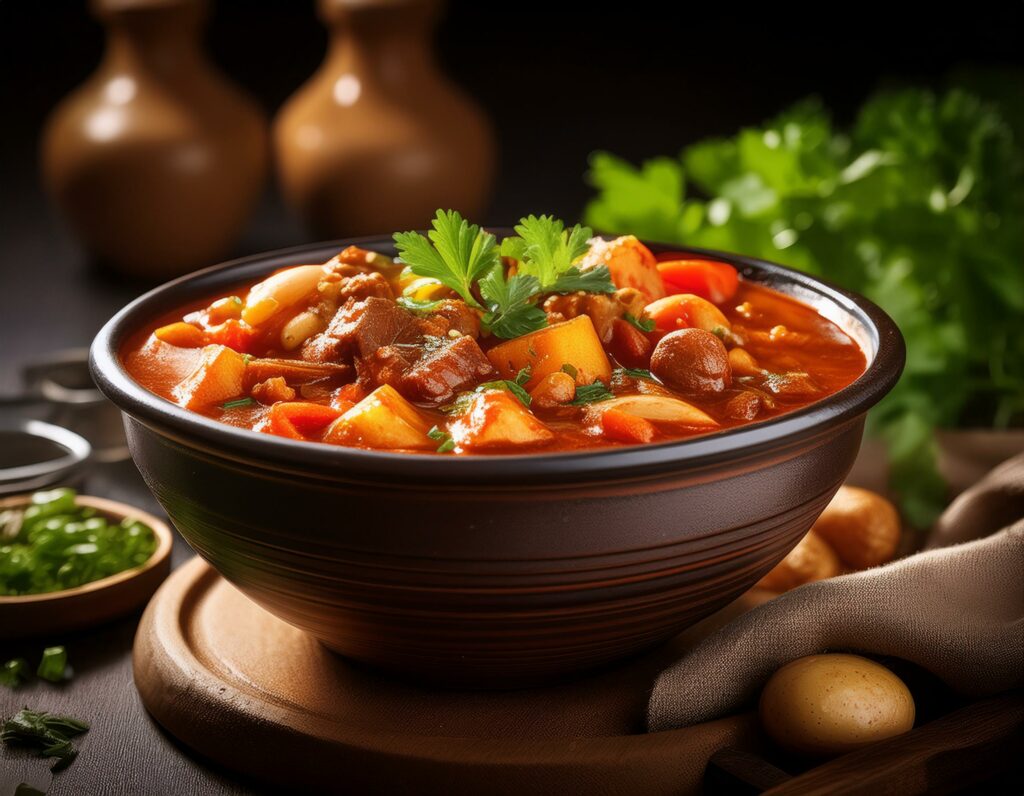
Vous pouvez les ajouter à des soupes, des ragoûts, ou les consommer en accompagnement de vos plats principaux.
Jus de carottes
Le jus de carottes est une excellente façon de consommer ce légume tout en hydratant votre corps.
En extrayant le jus, vous éliminez la majorité des fibres insolubles, ce qui peut être bénéfique pour les personnes ayant des sensibilités digestives.
Cependant, n’oubliez pas que les fibres sont importantes pour la digestion, donc le jus ne doit pas remplacer totalement la consommation de carottes entières.

Carottes fermentées
Les carottes fermentées, comme les carottes marinées ou le kimchi de carottes, peuvent apporter des probiotiques bénéfiques pour la flore intestinale.
La fermentation améliore la digestion et l’absorption des nutriments, tout en ajoutant une saveur unique à vos repas.
Essayez de faire fermenter vos propres carottes à la maison ou achetez des produits fermentés de qualité.
Carottes en purée ou en soupe
Pour les personnes ayant des difficultés à digérer les fibres, la purée de carottes ou les soupes de carottes peuvent être une bonne option.
La cuisson et la transformation en purée rendent les fibres plus faciles à digérer, tout en conservant les nutriments essentiels.
Ajoutez des épices comme le gingembre ou le curcuma pour des bienfaits digestifs supplémentaires.
Combiner les carottes avec des graisses saines
Associer les carottes avec des graisses saines, comme l’huile d’olive, l’avocat ou les noix, peut aider à améliorer l’absorption des vitamines liposolubles, comme la vitamine A.
Par exemple, une salade de carottes râpées avec une vinaigrette à l’huile d’olive ou un plat de carottes rôties avec des morceaux d’avocat peut être à la fois délicieux et bénéfique pour la digestion.
Boire suffisamment d’eau
Les fibres des carottes, qu’elles soient crues ou cuites, absorbent l’eau et augmentent le volume des selles.
Pour éviter que ces fibres ne causent des ballonnements ou de la constipation, il est crucial de boire suffisamment d’eau tout au long de la journée.
Une bonne hydratation assure que les fibres puissent faire leur travail correctement, facilitant ainsi la digestion.
En intégrant les carottes de différentes manières dans votre alimentation, vous pouvez profiter de leurs nombreux bienfaits pour la digestion. Que vous les consommiez crues, cuites, en jus, fermentées, ou en purée, les carottes sont un ajout précieux à une alimentation équilibrée visant à améliorer la santé digestive.
Les aliments constipants à éviter
Pour maintenir un transit intestinal régulier et éviter la constipation, il est essentiel de connaître les aliments qui peuvent ralentir la digestion.
Voici une liste des principaux aliments constipants à éviter ou à consommer avec modération, accompagnée de conseils pour les remplacer par des options plus bénéfiques pour la digestion.
Aliments transformés et riches en gras
Les aliments transformés, tels que les plats préparés, les fast-foods, et les snacks industriels, sont souvent pauvres en fibres et riches en graisses saturées.
Ces aliments peuvent ralentir la digestion et entraîner la constipation.
Privilégiez des repas faits maison à base d’ingrédients frais, en utilisant des huiles saines comme l’huile d’olive ou l’huile de noix de coco.
Produits laitiers
Pour certaines personnes, les produits laitiers comme le lait, le fromage, et la crème glacée peuvent causer de la constipation, surtout s’ils sont consommés en grande quantité.
Les produits laitiers peuvent ralentir le transit intestinal chez les individus sensibles au lactose ou ayant une intolérance.
Envisagez de remplacer les produits laitiers par des alternatives végétales comme le lait d’amande à partir de votre poudre d’amande par exemple ou comme le yaourt de coco, ou le fromage végétalien.
Viande rouge
La viande rouge, en particulier lorsqu’elle est consommée en grande quantité, peut être difficile à digérer et provoquer de la constipation.
Elle est souvent pauvre en fibres et riche en graisses saturées, ce qui peut ralentir le transit intestinal.
Optez pour des sources de protéines plus légères et riches en fibres, comme les légumineuses (lentilles, pois chiches) ou les protéines végétales (tofu, tempeh).
Pain blanc et produits à base de farine raffinée
Les produits à base de farine raffinée, comme le pain blanc, les pâtisseries, et les pâtes blanches, manquent de fibres, ce qui peut entraîner un ralentissement du transit intestinal.
Préférez les versions complètes de ces aliments, telles que le pain complet, pain Viking, les pâtes de blé entier, et le riz brun, qui sont riches en fibres et favorisent une digestion saine.
Bananes non mûres
Les bananes non mûres contiennent une plus grande quantité d’amidons résistants, qui peuvent être difficiles à digérer et provoquer de la constipation chez certaines personnes.
Pour éviter cela, consommez des bananes bien mûres, dont les amidons ont été transformés en sucres simples, plus faciles à digérer.
Aliments frits et gras
Les aliments frits et riches en graisses saturées, comme les frites, les beignets, et les plats panés, peuvent ralentir la digestion et causer de la constipation.
Ces aliments manquent souvent de fibres et peuvent alourdir le système digestif.
Remplacez-les par des options cuites au four, grillées ou vapeur, et utilisez des huiles saines en quantités modérées.
Alcool
La consommation excessive d’alcool peut entraîner une déshydratation, l’une des principales causes de la constipation.
L’alcool a un effet diurétique qui augmente la perte de liquides, rendant les selles plus sèches et plus difficiles à évacuer.
Il est important de limiter la consommation d’alcool et de boire beaucoup d’eau pour compenser la perte de liquides.
Caféine en excès
Bien que la caféine puisse avoir un effet laxatif chez certaines personnes, une consommation excessive peut entraîner une déshydratation, aggravant ainsi la constipation.
Limitez la consommation de boissons caféinées comme le café, le thé noir, et les sodas, et veillez à boire suffisamment d’eau tout au long de la journée.
Concernant le thé, il existe un mythe autour du thé ventre plat. Si vous souhaitez en savoir plus et démystifier ce mythe, n’hésitez pas à aller consulter notre article dédié.
Chocolat
Pour certaines personnes, le chocolat, en particulier le chocolat au lait riche en sucre et en graisses, peut ralentir le transit intestinal et provoquer de la constipation.
Si vous êtes sensible au chocolat, essayez de le consommer en petites quantités ou optez pour du chocolat noir, qui contient moins de sucre et de graisses.
En étant conscient des aliments qui peuvent provoquer la constipation, vous pouvez faire des choix alimentaires plus judicieux pour maintenir une digestion saine. En remplaçant ces aliments par des options riches en fibres et en nutriments, vous favoriserez un transit intestinal régulier et éviterez les désagréments liés à la constipation.
Les bienfaits des carottes pour la santé
Les carottes sont non seulement délicieuses, mais elles offrent également une multitude de bienfaits pour la santé. En plus des bienfaits cités auparavant, voici un aperçu des principaux bienfaits des carottes.
Riche en nutriments essentiels
Les carottes sont une excellente source de vitamines et de minéraux essentiels.
Elles sont particulièrement riches en vitamine A, sous forme de bêta-carotène, qui est crucial pour la santé des yeux, la croissance cellulaire, et le fonctionnement du système immunitaire.
Les carottes contiennent également de la vitamine K, nécessaire à la coagulation sanguine et à la santé des os, ainsi que de la vitamine C, qui soutient le système immunitaire et la production de collagène.
Amélioration de la santé visuelle
La vitamine A et les caroténoïdes présents dans les carottes sont essentiels pour maintenir une bonne vision.
Ils jouent un rôle clé dans la prévention de maladies oculaires liées à l’âge, telles que la dégénérescence maculaire et la cataracte.
La consommation régulière de carottes peut aider à améliorer la vision nocturne et à protéger les yeux contre les dommages causés par les radicaux libres.
Soutien du système immunitaire
Les carottes sont riches en antioxydants, comme le bêta-carotène, la vitamine C, et divers phytonutriments, qui renforcent le système immunitaire.
Ces antioxydants aident à neutraliser les radicaux libres et à réduire l’inflammation, ce qui peut prévenir diverses maladies chroniques et infections.
Une consommation régulière de carottes peut donc contribuer à un système immunitaire plus fort et plus résilient.
Promotion de la santé cardiovasculaire
Les fibres solubles et insolubles présentes dans les carottes aident à réduire les niveaux de cholestérol LDL (mauvais cholestérol) dans le sang, ce qui peut diminuer le risque de maladies cardiovasculaires.
De plus, les carottes contiennent des composés bioactifs, comme les polyacétates et les caroténoïdes, qui ont des effets anti-inflammatoires et antioxydants, aidant à protéger le cœur et les vaisseaux sanguins.
Contribution à la santé de la peau
Les antioxydants et la vitamine A présents dans les carottes jouent un rôle important dans la santé de la peau.
Ils aident à protéger la peau contre les dommages causés par les UV, à prévenir les signes de vieillissement prématuré, et à maintenir une peau éclatante et hydratée.
La consommation régulière de carottes peut également aider à réduire les inflammations cutanées et à améliorer la cicatrisation.
Effet détoxifiant
Les carottes contiennent des composés qui peuvent aider à détoxifier le foie et à éliminer les toxines du corps.
Les fibres aident à nettoyer le tractus digestif, tandis que les antioxydants aident à neutraliser les toxines et à soutenir les fonctions hépatiques.
Intégrer des carottes dans son alimentation peut donc contribuer à un corps plus sain et à une meilleure élimination des déchets.
Soutien de la santé osseuse
Les carottes sont une source de calcium, de vitamine K, et de phosphore, tous essentiels pour maintenir des os solides et en bonne santé.
La vitamine K joue un rôle crucial dans la formation des protéines nécessaires à la minéralisation des os et peut aider à réduire le risque de fractures.
En conclusion, les carottes sont un superaliment qui offre une multitude de bienfaits pour la santé.
Que ce soit pour améliorer la vision, renforcer le système immunitaire, protéger le cœur, ou maintenir une peau saine, les carottes méritent une place régulière dans une alimentation équilibrée.
Profitez des nombreuses façons de les consommer, crues, cuites, en jus, ou fermentées, pour tirer le meilleur parti de leurs incroyables propriétés nutritionnelles.