Comment faire de la poudre d’amandes ? Nous allons vous expliquez le processus pour réaliser cette poudre et nous allons également nous plonger dans le monde fascinant des amandes, explorer leurs origines, leurs variétés, et découvrir pourquoi elles sont bien plus qu’un simple ingrédient.
Les amandes, bien plus que de simples grignotages, sont de véritables joyaux nutritionnels. Ces petits trésors de la nature sont chargés de bienfaits et exsudent un arôme irrésistible qui titille nos papilles. Riches en protéines, en fibres et en graisses saines, les amandes sont une source d’énergie durable, idéale pour ceux qui mènent une vie active. Mais ce n’est pas tout. Ces noix sont aussi chargées de vitamines et de minéraux essentiels, tels que la vitamine E, le magnésium et le potassium, qui jouent un rôle crucial dans le maintien de notre santé globale.
Elles ne sont pas simplement un en-cas sain, mais un héritage historique. Depuis des siècles, les amandes sont valorisées pour leurs propriétés médicinales et nutritives. Elles ont été appréciées par les anciennes civilisations, traversant les époques et les continents pour se retrouver dans nos cuisines modernes.
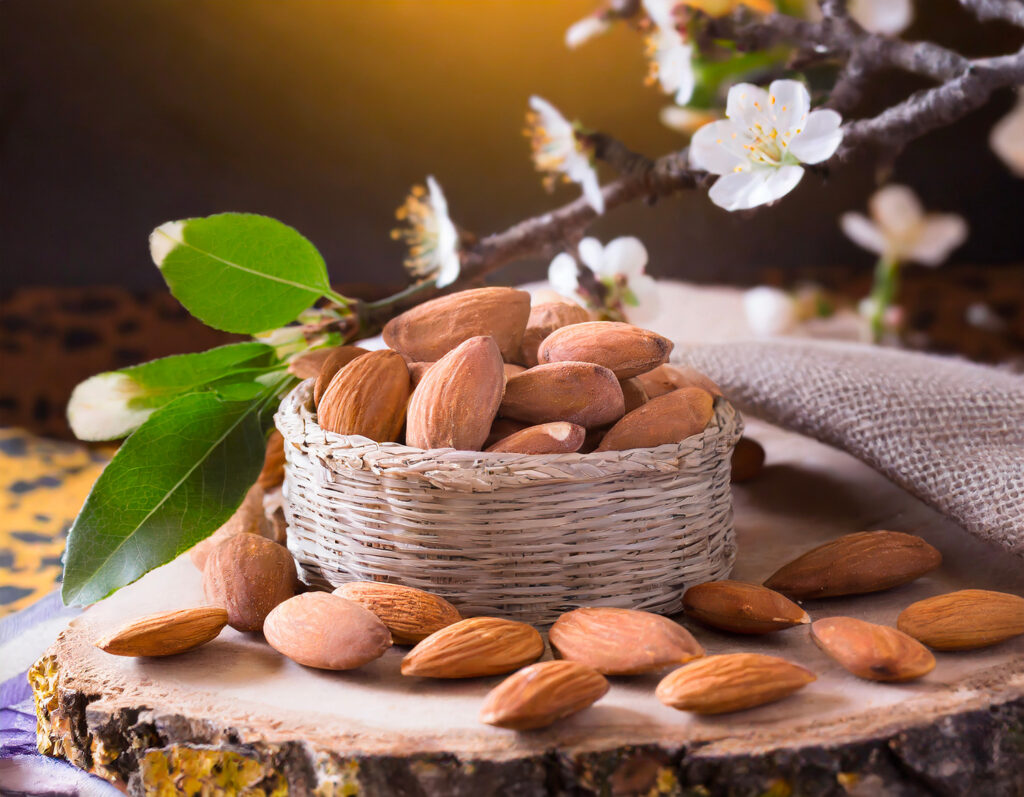
L’histoire des amandes est aussi fascinante que leurs bienfaits. Originaires des régions du Moyen-Orient, les amandes ont été l’un des premiers fruits à être cultivés par l’homme. Des preuves archéologiques montrent que les amandes étaient un aliment de base dans les régimes alimentaires des Égyptiens, des Romains et des Grecs anciens. Les commerçants sur les routes de la soie les utilisaient comme monnaie d’échange, ce qui a aidé à leur propagation à travers le monde.
Au fil des siècles, les amandes ont trouvé leur place dans diverses cultures et cuisines. En Europe, elles sont devenues un ingrédient clé dans la pâtisserie et la confiserie, tandis qu’en Asie, elles sont souvent utilisées dans des plats salés et des remèdes traditionnels. Cette richesse culturelle et historique fait des amandes bien plus qu’un simple ingrédient, elles sont le symbole d’une tradition culinaire et nutritionnelle qui perdure.
Préparation des amandes
Sélectionner les amandes parfaites
La première étape cruciale dans la création de la poudre d’amandes est le choix des amandes elles-mêmes. La qualité de vos amandes influencera directement la saveur et la texture de votre poudre. Voici quelques conseils pour sélectionner les meilleures amandes :
- Aspect visuel : cherchez des amandes de couleur uniforme, sans taches sombres ni signes de moisissure. Une couleur claire et homogène est un bon indicateur de fraîcheur.
- Texture : les amandes de qualité supérieure sont fermes au toucher. Évitez celles qui sont molles ou semblent gonflées, car elles pourraient être rances.
- Odeur : les amandes fraîches dégagent une odeur douce et légèrement rappelant celle de la noisette. Fiez-vous à votre nez pour détecter toute odeur âcre ou inhabituelle, signe de détérioration.
- Provenance et culture : si possible, optez pour des amandes biologiques et issues de sources durables pour garantir une qualité et une éthique de production.
Nettoyage et prétraitement
Une fois vos amandes sélectionnées, un nettoyage et un prétraitement appropriés sont essentiels pour préparer vos amandes à la mouture :
- Nettoyage : rincez les amandes sous l’eau froide pour éliminer toute poussière ou résidu. Cela aide à assurer la pureté de la poudre.
- Séchage : étalez les amandes sur un torchon propre et laissez-les sécher complètement. L’humidité résiduelle peut affecter la texture de la poudre.
- Blanchiment (Optionnel) : pour une poudre d’amandes plus fine et de couleur plus claire, vous pouvez blanchir les amandes. Plongez-les dans de l’eau bouillante pendant une minute, puis retirez la peau qui se détache facilement. Séchez-les bien avant de les moudre.
- Torrefaction (Optionnel) : pour un goût plus prononcé, vous pouvez torréfier légèrement les amandes dans une poêle à feu doux. Faites griller les amandes jusqu’à ce qu’elles prennent une couleur dorée et dégagent un arôme rappelant celui de la noisette, en faisant attention à ne pas les surchauffer. Une torréfaction excessive pourrait en effet rendre la poudre d’amandes amère, il est donc crucial de surveiller attentivement ce processus.
Le processus de mouture
Méthodes traditionnelles vs modernes
La mouture des amandes peut se faire de plusieurs manières, chacune ayant ses propres avantages. Les méthodes traditionnelles, souvent artisanales, impliquent l’utilisation d’outils manuels comme le mortier et le pilon. Cette approche permet un contrôle total sur la texture de la poudre et préserve les huiles naturelles des amandes, enrichissant leur saveur. En revanche, cette méthode est plus laborieuse et moins uniforme.
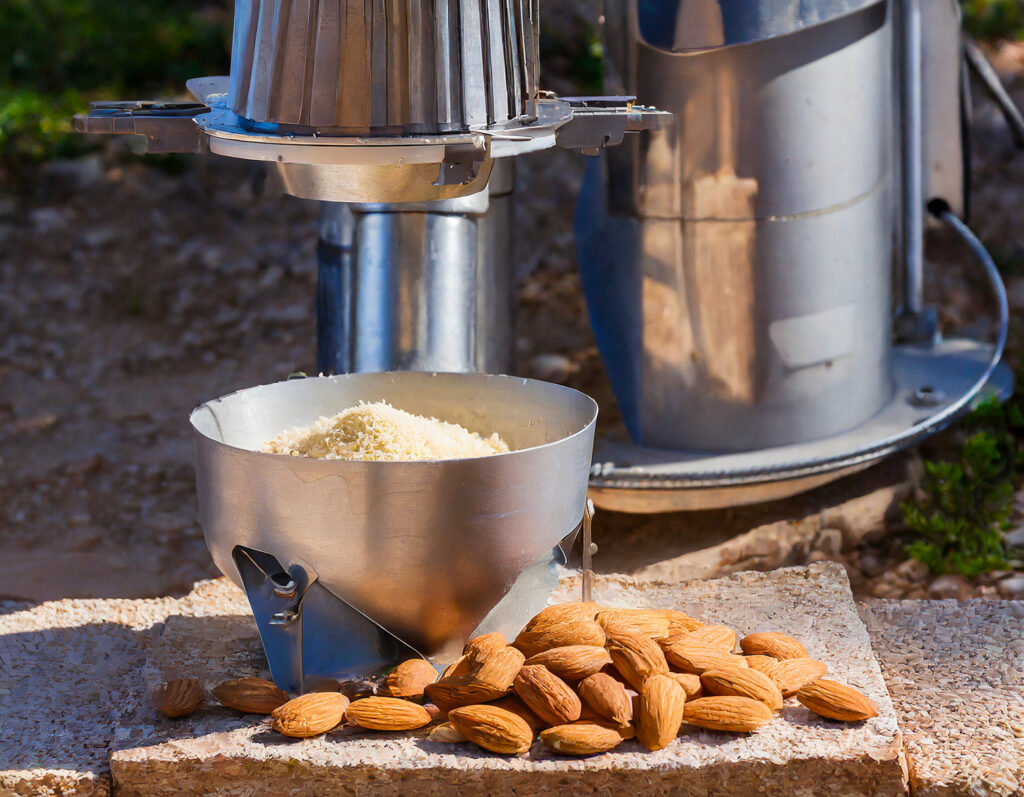
À l’opposé, les méthodes modernes utilisent des appareils électriques comme des mixeurs ou des moulins à café. Ces outils offrent une mouture rapide et uniforme, idéale pour ceux qui privilégient la commodité et la cohérence. Cependant, la chaleur générée par ces appareils peut parfois altérer légèrement le goût des amandes.
Choisir entre ces méthodes dépend de vos préférences personnelles en termes de texture, de saveur et de commodité.
Étape par étape : transformer les amandes en poudre
Suivre ces étapes vous aidera à créer une poudre d’amandes parfaite :
- Mesurez et préparez : commencez par mesurer la quantité d’amandes nécessaires pour votre recette. Assurez-vous qu’elles soient bien sèches.
- Choisissez votre outil de mouture : selon la méthode choisie, préparez votre mortier et pilon ou votre appareil électrique.
- Mouture en petites quantités : pour éviter de surcharger l’appareil et de surchauffer les amandes, moulez-les en petites quantités.
- Surveillez la texture : moudre jusqu’à obtenir la consistance désirée. Pour une poudre fine, continuez de moudre, mais faites attention à ne pas la transformer en beurre d’amandes.
- Tamisage (optionnel) : pour une texture encore plus fine, vous pouvez tamiser la poudre à travers un tamis fin.
- Stockage : conservez la poudre d’amandes dans un récipient hermétique à l’abri de la lumière et de l’humidité.
Conservation et utilisations de la poudre d’amandes
Les secrets d’une conservation optimale
La poudre d’amandes, avec son profil de saveur délicat et sa texture fine, nécessite une attention particulière en matière de conservation pour maintenir sa fraîcheur et sa qualité. Voici des conseils clés pour conserver votre poudre d’amandes :
- Récipient hermétique : stockez la poudre dans un récipient hermétique pour la protéger de l’humidité et des contaminants.
- Lieu frais et sec : la poudre d’amandes doit être conservée dans un endroit frais et sec, loin de la lumière directe du soleil. La chaleur et l’humidité peuvent provoquer le rancissement des huiles naturelles des amandes.
- Éviter les odeurs fortes : comme les amandes peuvent absorber les odeurs, évitez de les stocker près d’aliments à odeur forte.
- Conservation au réfrigérateur ou au congélateur : pour une conservation à long terme, vous pouvez conserver la poudre d’amandes au réfrigérateur ou même au congélateur. Cela ralentit le rancissement et préserve la fraîcheur.
Des recettes créatives avec de la poudre d’amandes
La poudre d’amandes est un ingrédient extrêmement polyvalent en cuisine, utilisable dans une variété de recettes. Voici quelques idées créatives pour l’incorporer dans vos plats :
- Pâtisserie et desserts : remplacez une partie de la farine habituelle par de la poudre d’amandes dans les recettes de gâteaux, de biscuits et de tartes pour une texture moelleuse et un goût riche.
- Pains et viennoiseries : ajoutez de la poudre d’amandes à vos recettes de pains et viennoiseries pour une touche de saveur supplémentaire et une meilleure valeur nutritive.
- Plats salés : utilisez la poudre d’amandes comme agent épaississant dans les sauces ou comme enrobage pour les viandes et poissons.
- Smoothies et boissons : incorporez une cuillère de poudre d’amandes dans vos smoothies pour un supplément de protéines et de saveur.
- Alimentation végétalienne et sans gluten : la poudre d’amandes est une excellente alternative pour les régimes végétaliens et sans gluten, offrant une option riche en nutriments et délicieuse.

Les bienfaits des amandes pour la santé
Un zoom sur le magnésium dans les amandes
Les amandes sont une source remarquable de magnésium, un minéral vital jouant de multiples rôles dans le fonctionnement de notre organisme. Le magnésium est crucial pour plus de 300 réactions biochimiques dans le corps, y compris la régulation des fonctions musculaires et nerveuses, la régulation de la glycémie, et la production d’énergie. Une consommation régulière d’amandes peut donc contribuer à une meilleure santé osseuse, à la prévention des crampes musculaires et à l’amélioration du métabolisme. Le magnésium avec ses effets immédiats joue également un rôle dans la gestion du stress, aidant à détendre le système nerveux, ce qui peut être bénéfique pour ceux qui mènent une vie active et stressante.
Les amandes peuvent être particulièrement utiles pour les personnes à risque de carence en magnésium, comme celles atteintes de diabète de type 2 ou les personnes âgées. En intégrant les amandes dans votre alimentation quotidienne, vous pouvez aider à assurer un apport suffisant en magnésium pour votre bien-être global.
Autres nutriments clés et leurs avantages
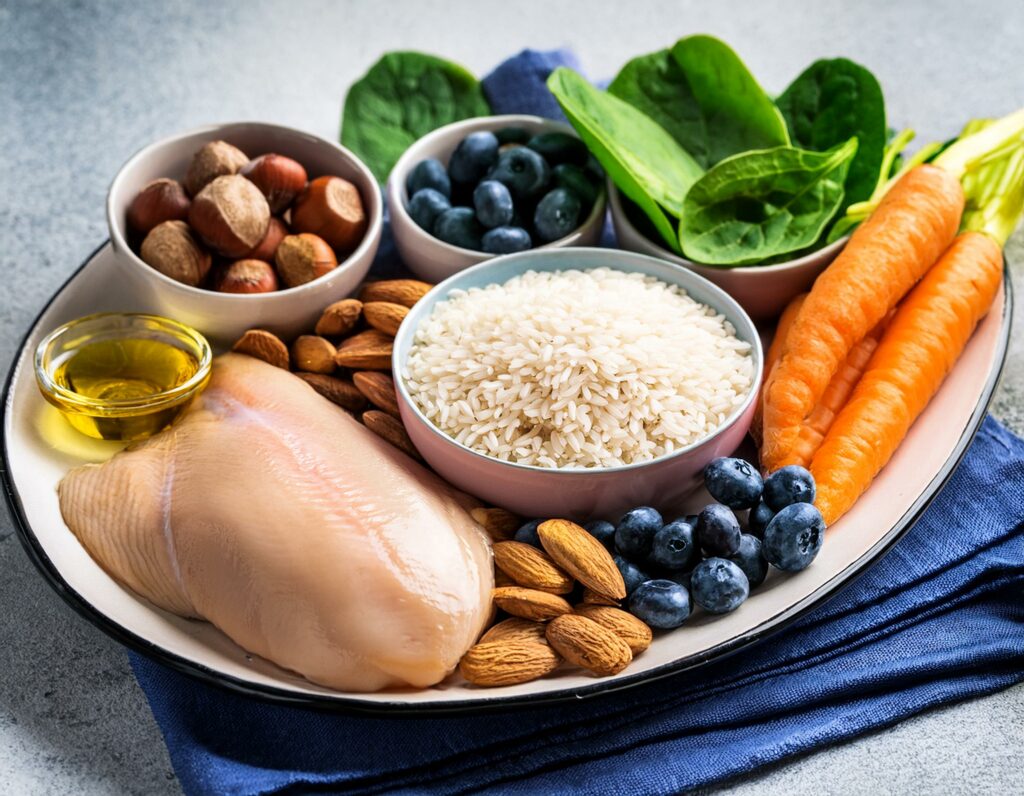
Les amandes ne sont pas seulement une excellente source de magnésium, elles regorgent également d’autres nutriments essentiels. Voici quelques-uns des principaux composants nutritionnels des amandes et leurs avantages pour la santé :
- Vitamine E : un puissant antioxydant, la vitamine E contenue dans les amandes aide à protéger vos cellules contre les dommages causés par les radicaux libres, pouvant potentiellement réduire le risque de maladies chroniques et améliorer la santé de la peau.
- Protéines : avec une bonne teneur en protéines, les amandes sont un excellent choix pour les personnes suivant un régime végétarien ou végétalien, contribuant à la construction et à la réparation des tissus musculaires.
- Fibres : les amandes sont riches en fibres, essentielles pour une digestion saine et pour aider à maintenir un poids corporel sain en favorisant une sensation de satiété.
- Graisses insaturées (lipide) : les amandes sont une source de graisses insaturées, bénéfiques pour la santé cardiaque. Elles aident à maintenir des niveaux sains de cholestérol et à réduire le risque de maladies cardiaques.
- Calcium et phosphore : ces minéraux sont vitaux pour la santé des os et des dents, rendant les amandes particulièrement bénéfiques pour maintenir une structure osseuse solide.
En incorporant régulièrement des amandes dans votre régime alimentaire, vous pouvez bénéficier de ces nutriments essentiels, contribuant à une meilleure santé globale et à un bien-être accru.
Conclusion: intégrer la Poudre d’Amandes dans votre Quotidien
Récapitulatif des astuces et conseils
Pour maximiser les bienfaits de la poudre d’amandes dans votre vie quotidienne, voici un résumé des points clés abordés dans cet article :
- Choix et préparation : sélectionnez des amandes de qualité et préparez-les soigneusement avant de les moudre.
- Méthodes de mouture : choisissez entre les méthodes traditionnelles et modernes pour obtenir la texture désirée.
- Conservation : stockez la poudre d’amandes correctement pour préserver sa fraîcheur et ses nutriments.
- Utilisations culinaire : expérimentez avec la poudre d’amandes dans diverses recettes, des pâtisseries aux plats principaux.
- Bienfaits pour la santé : profitez des avantages nutritionnels des amandes, notamment leur richesse en magnésium, en vitamines et en fibres.
L’Invitation à une vie plus saine avec les amandes
Inclure la poudre d’amandes dans votre alimentation est un pas simple mais efficace vers un mode de vie plus sain. Que ce soit en l’ajoutant à vos smoothies, en la saupoudrant sur vos salades, ou en l’utilisant dans vos recettes de pâtisserie, la poudre d’amandes peut enrichir votre alimentation avec son profil nutritionnel exceptionnel. En adoptant cet ingrédient polyvalent, vous bénéficierez non seulement d’un goût délicieux mais aussi d’une amélioration notable de votre santé et de votre bien-être.
Et si vous cherchez d’autres méthodes innovantes pour améliorer votre santé et bien-être, ne manquez pas notre prochain article sur la méthode Bonhomme Allumette pour la perte de poids. Cette approche unique offre une perspective nouvelle sur la gestion du poids, en se concentrant sur l’équilibre et l’harmonie du corps et de l’esprit. Restez à l’écoute pour découvrir comment cette méthode pourrait vous aider dans votre parcours de perte de poids et de bien-être.