Les œufs sont-ils mauvais pour le foie ? Absolument pas ! Les œufs sont bénéfiques pour la santé du foie.
Ces petits miracles de la nature regorgent de nutriments essentiels, en particulier de choline, un élément crucial pour la santé hépatique.
Contrairement aux idées reçues, le cholestérol présent dans les œufs n’influence pas de manière significative le cholestérol sanguin chez la majorité des personnes.
Ainsi, les œufs peuvent être consommés sans crainte excessive pour la santé du foie.
Imaginez un aliment si commun, mais qui a longtemps été mal compris. Nous parlons des œufs !

Autrefois considérés avec méfiance en raison de leur teneur en cholestérol, ils sont aujourd’hui reconnus pour leurs nombreux bienfaits sur la santé, y compris celle du foie.
C’est une histoire de redécouverte et d’appréciation nouvelle.
Alors, amis ou ennemis ? Les œufs se révèlent être d’excellents alliés pour votre foie.
Ils devraient être intégrés dans une alimentation équilibrée, non pas avec crainte, mais avec connaissance de leur valeur nutritive. Comme dans toute bonne relation, la clé est l’équilibre et la compréhension.
Les sections suivantes vous guideront à travers le monde fascinant des œufs et leur lien avec la santé du foie, en dissipant les mythes et en apportant des éclaircissements scientifiques.
Préparez-vous à une aventure nutritive et éducative !
Comprendre le foie et ses fonctions
Rôle du foie dans le corps
Bienvenue dans le chapitre de notre histoire dédié à un véritable héros de l’ombre : le foie.
Cet organe, souvent négligé dans les conversations courantes, est en réalité un pilier de notre bien-être.
Le foie, c’est un peu le chef d’orchestre de notre organisme, orchestrant des processus vitaux : il nettoie notre sang des substances nocives dans un processus de détoxification, fabrique des protéines essentielles pour la coagulation du sang et d’autres fonctions, et produit la bile, nécessaire à la digestion des graisses.
Sans lui, notre corps serait comme une machine sans filtre, incapable de trier et d’utiliser correctement les nutriments et de se débarrasser des déchets.
Facteurs affectant la santé du foie
Mais notre super-héros à ses faiblesses.
Le foie peut être endommagé par des ennemis sournois : l’alcool, une alimentation déséquilibrée, certains médicaments et l’excès de graisses, notamment dans le cas de l’obésité.
Ces facteurs peuvent entraîner une variété de problèmes hépatiques, de la stéatose hépatique non alcoolique (une accumulation de graisses dans le foie) à des affections plus graves comme la cirrhose ou le cancer du foie.
Protéger notre foie, c’est comme veiller sur un ami précieux et fidèle, en évitant les excès et en adoptant des habitudes saines pour maintenir sa fonction optimale.

Les œufs : composition et valeurs nutritionnelles
Nutriments clés dans les œufs
Entrez dans le monde étonnant des œufs, de véritables coffres au trésor de la nutrition.
Ces modestes globes sont des puissances de bienfaits, débordants de protéines de haute qualité, essentielles pour la construction et la réparation des tissus de notre corps.
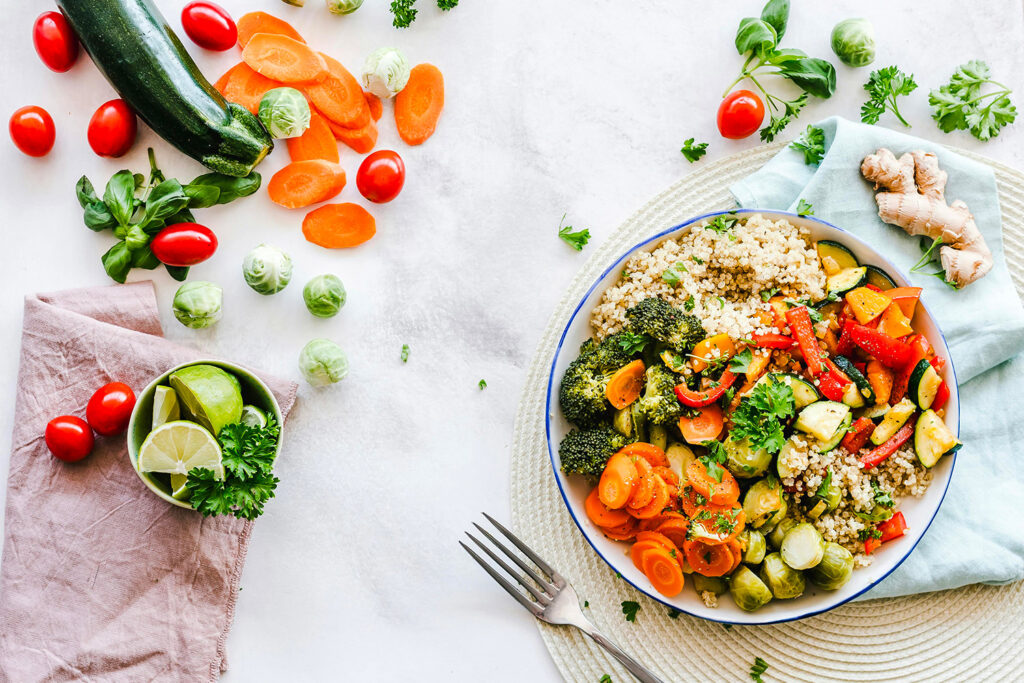
Mais ce n’est pas tout : les œufs sont aussi une source riche en vitamines cruciales telles que la A, D, E, et B12, chacune jouant des rôles uniques dans le maintien de notre santé.
Ils fournissent également des minéraux importants comme le fer et le zinc, essentiels pour un système immunitaire fort et une santé globale robuste.
Mais le véritable héros ici, surtout en ce qui concerne le foie, est la choline.
Cette substance méconnue est un élément clé pour le bon fonctionnement du cerveau et notamment, pour la santé de notre foie, aidant à transporter le cholestérol et les triglycérides du foie vers d’autres parties du corps.

Mythes et réalités sur le cholestérol des œufs
Maintenant, abordons un sujet chaud : le cholestérol.
Les œufs, longtemps diabolisés pour leur teneur en cholestérol, méritent une réévaluation.
La science actuelle nous dit que le cholestérol présent dans les aliments à un impact beaucoup moins direct sur le cholestérol sanguin que ce que l’on croyait autrefois.
En fait, pour la majorité des gens, manger des œufs n’augmente pas significativement le risque de maladies cardiaques ou de problèmes de foie liés au cholestérol.
Cela signifie que, pour la plupart d’entre nous, les œufs peuvent être consommés sans crainte excessive de perturber notre profil de lipides.
Cette section a levé le voile sur la richesse nutritionnelle des œufs et a démystifié les préoccupations courantes liées à leur teneur en cholestérol.
En comprenant leur composition, nous pouvons mieux apprécier comment les intégrer dans une alimentation saine et équilibrée, en particulier en ce qui concerne la santé de notre foie.
Impact des œufs sur la santé du foie
Bienfaits des œufs pour le foie
Maintenant, plongeons dans le cœur du sujet : quel est l’impact réel des œufs sur notre foie ?
La star ici, c’est la choline, un nutriment abondant dans les œufs.
Cette substance joue un rôle crucial dans la santé de notre foie. Comment ?
En participant à la décomposition des graisses.
C’est un peu comme un super-héros microscopique qui empêche les graisses de s’accumuler dans le foie, un facteur clé dans la prévention de la stéatose hépatique, également connue sous le nom de maladie du foie gras.
En termes simples, la choline des œufs aide à garder notre foie en bonne santé, en facilitant le transport et le métabolisme des graisses.
C’est une véritable bénédiction pour cet organe vital, lui permettant de fonctionner de manière optimale et de garder notre corps en bonne santé.

Précautions et conseils de consommation
Cependant, chaque médaille a son revers.
Pour les personnes aux prises avec des problèmes de cholestérol ou des maladies du foie, la modération est la clé.
Bien que les œufs soient largement bénéfiques, il est important de les consommer dans le cadre d’une alimentation équilibrée.
Comme pour tout dans la vie, l’excès peut être préjudiciable. Il s’agit de trouver le bon équilibre dans votre régime alimentaire, en tenant compte de vos besoins et de votre état de santé spécifiques.
Cette section a exploré les bienfaits des œufs pour la santé du foie et a souligné l’importance de la consommation modérée.
En comprenant ces aspects, nous pouvons mieux intégrer les œufs dans notre régime alimentaire quotidien, en veillant à la santé de notre foie.
Recommandations alimentaires pour un foie en bonne santé
Aliments favorables au foie
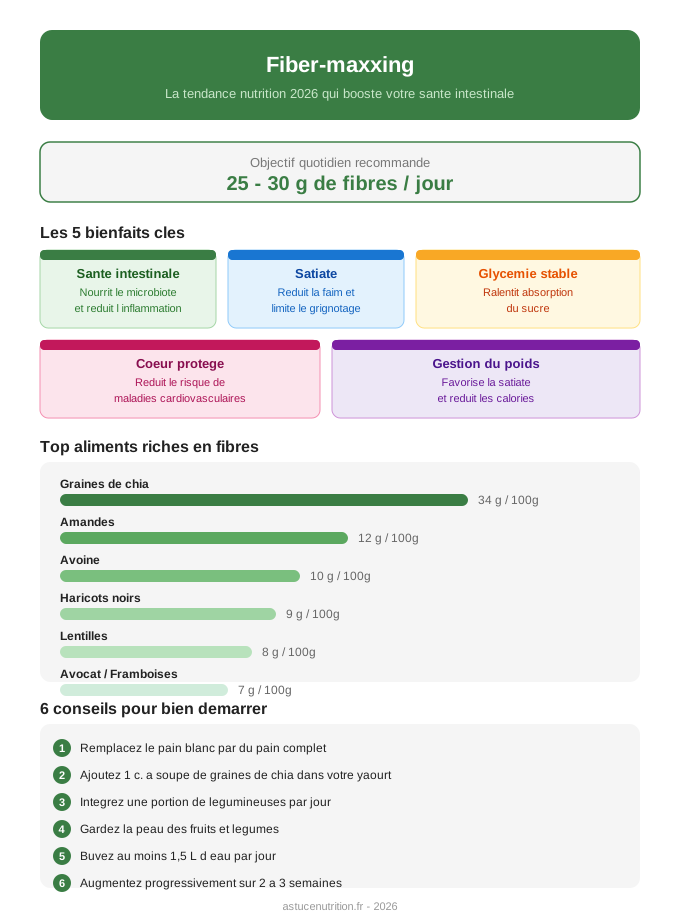
Pour chouchouter notre foie, rien de mieux qu’une alimentation variée et colorée.
Imaginez votre assiette comme un arc-en-ciel, regorgeant de couleurs et de saveurs.
Les fruits et légumes, avec leurs vastes gammes de nutriments et d’antioxydants, sont les héros de cette palette. Ils aident à nettoyer et à protéger notre foie.
Ensuite, nous avons les céréales complètes, ces sources de fibres qui aident à réguler le sucre dans le sang et à réduire la charge de travail du foie.
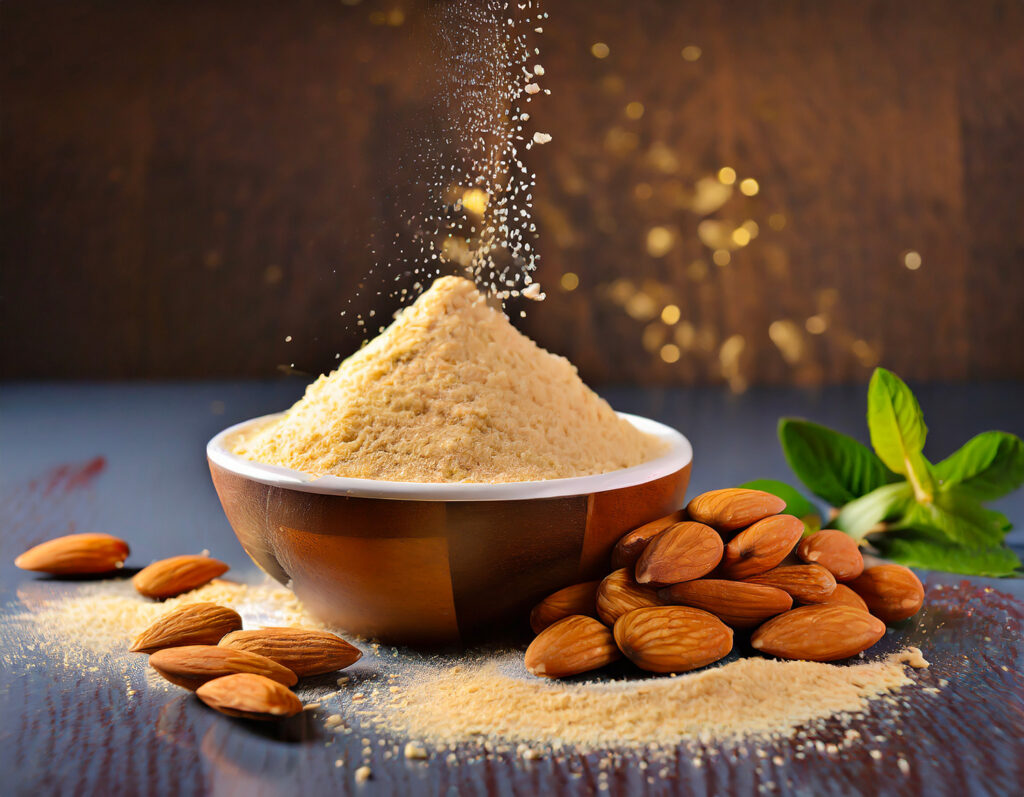
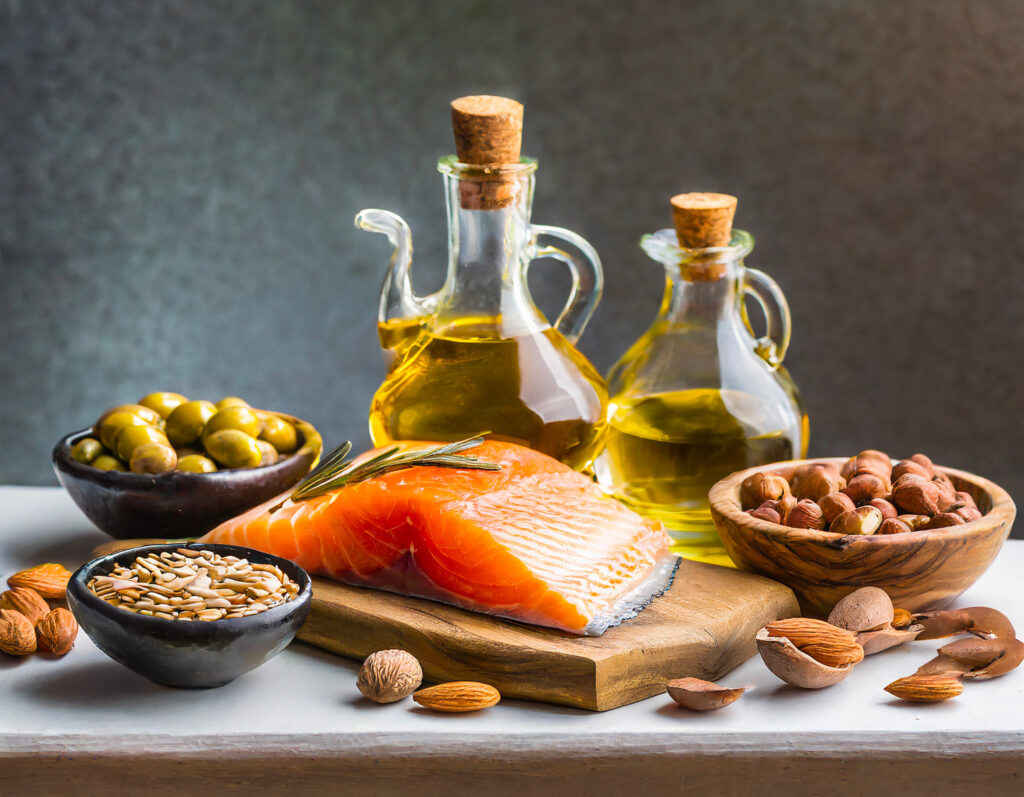
Et n’oublions pas les bonnes graisses, comme celles trouvées dans les poissons gras, les noix, et les huiles d’olive ou de lin.
Ces graisses sont essentielles pour maintenir un foie en bonne santé et pour aider à l’absorption des vitamines solubles dans les graisses.
Habitudes alimentaires à éviter
Mais il y a aussi des ennemis du foie qui se cachent dans notre alimentation.
Les excès de sucre, les graisses saturées trouvées dans les fast-foods et les aliments transformés, ainsi que l’alcool, sont les principaux coupables. Ces substances peuvent surcharger le foie, entravant sa capacité à fonctionner efficacement.
L’alcool est particulièrement nocif pour le foie, pouvant conduire à une inflammation, à la stéatose hépatique et, dans les cas graves, à la cirrhose ou au cancer du foie.
Adopter une approche équilibrée de l’alimentation n’est pas seulement une question de bonne santé générale, c’est aussi une manière de respecter et de prendre soin de notre foie.
Conclusion : intégrer les œufs dans une alimentation équilibrée pour le foie
Nous voici arrivés au terme de notre exploration sur les œufs et la santé du foie.
La conclusion est claire et réconfortante : les œufs, lorsqu’ils sont consommés avec sagesse, peuvent effectivement être de précieux alliés pour votre foie.
Ils apportent une multitude de nutriments essentiels, en particulier la choline, qui joue un rôle clé dans le maintien d’un foie sain.
Cependant, comme dans tout bon récit, l’équilibre est essentiel.
L’intégration des œufs dans votre régime alimentaire ne doit pas se faire de manière isolée, mais plutôt dans le cadre d’une alimentation variée et équilibrée.
Écoutez votre corps et soyez attentif à ses signaux : si vous avez des préoccupations particulières concernant votre santé ou votre régime alimentaire, n’hésitez pas à consulter un professionnel de santé.
N’oubliez pas : la modération est la clé.
Une consommation excessive de n’importe quel aliment, même aussi nutritif que les œufs, peut entraîner des déséquilibres. Une approche équilibrée, qui tient compte des besoins uniques de votre corps et de votre état de santé, est toujours la meilleure voie à suivre.
Les œufs, comme nous l’avons vu, ne sont pas les ennemis du foie qu’on a longtemps craint.
Au contraire, ils peuvent jouer un rôle important dans le maintien d’une bonne santé hépatique.
Alors, la prochaine fois que vous casserez un œuf pour votre omelette ou votre quiche, rappelez-vous les bienfaits qu’il apporte à votre foie, et appréciez-le comme le super aliment qu’il est.
En conclusion, les œufs, lorsqu’ils sont intégrés judicieusement dans notre alimentation, peuvent contribuer à la santé et au bien-être de notre foie, tout en nous offrant un plaisir culinaire.
Bon appétit et bonne santé !
Si vous avez apprécié cet article et souhaitez explorer davantage les astuces et mythes autour de l’alimentation saine, ne manquez pas notre article passionnant au sujet du thé ventre plat. Découvrez-y des informations essentielles pour votre parcours vers une santé optimale.