Le fiber-maxxing, c’est quoi exactement ?
Le fiber-maxxing (ou « maximisation des fibres ») est une approche alimentaire simple : consommer le plus possible d’aliments riches en fibres au quotidien. Pas de calcul complexe, pas de régime strict. Juste une règle d’or : privilégier les fruits, légumes, légumineuses et céréales complètes à chaque repas.
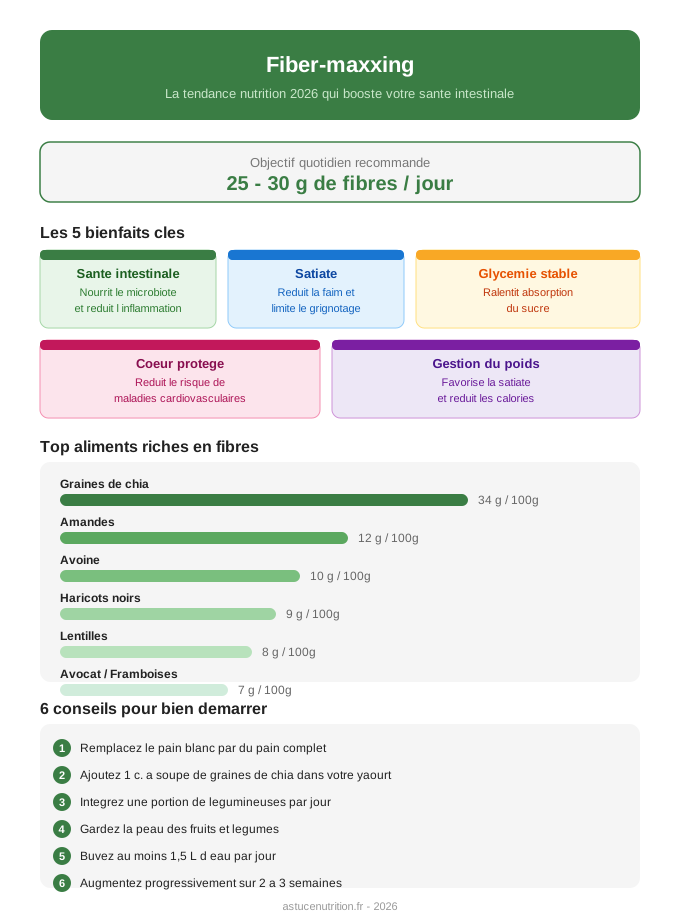
Cette tendance, partie de TikTok et portée par la génération Z, répond à un constat médical bien établi : la plupart d’entre nous ne consomment pas assez de fibres. En France, la recommandation est de 25 à 30 g de fibres par jour, mais la moyenne réelle tourne autour de 17 g seulement.
Pourquoi les fibres sont-elles si importantes ?
Les fibres alimentaires sont bien plus que de simples « ballasts ». Elles jouent un rôle clé dans de nombreux mécanismes de votre corps :
- Santé intestinale : elles nourrissent les bonnes bactéries de votre microbiote, réduisant l’inflammation et améliorant le transit.
- Contrôle de l’appétit : les fibres augmentent la sensation de satiété, ce qui aide naturellement à éviter les grignotages.
- Régulation de la glycémie : elles ralentissent l’absorption du sucre dans le sang, évitant les pics glycémiques.
- Protection cardiovasculaire : une alimentation riche en fibres est associée à un risque réduit de maladies cardiaques.
- Gestion du poids : en favorisant la satiété et en réduisant les calories absorbées, les fibres sont un allié naturel contre la prise de poids.
Fibres solubles ou insolubles : quelle différence ?
Il existe deux grandes familles de fibres, et les deux sont nécessaires :
- Les fibres solubles (avoine, pomme, légumineuses) se dissolvent dans l’eau et forment un gel qui ralentit la digestion. Elles sont particulièrement efficaces pour contrôler la glycémie et réduire le mauvais cholestérol.
- Les fibres insolubles (son de blé, légumes verts, graines) accélèrent le transit intestinal et préviennent la constipation.
L’idéal ? Varier les sources pour bénéficier des deux types.
Les meilleurs aliments pour faire du fiber-maxxing
Voici un top des aliments les plus riches en fibres à intégrer facilement dans votre alimentation :
- 🥑 Avocat : environ 7 g de fibres pour 100 g
- 🫘 Graines de chia : jusqu’à 34 g pour 100 g
- Lentilles cuites : environ 8 g pour 100 g
- 🧭 Haricots noirs : environ 9 g pour 100 g
- 🌾 Avoine : environ 10 g pour 100 g
- 🍦 Framboises : environ 7 g pour 100 g
- 🥦 Brocoli : environ 3 g pour 100 g (mais excellent pour la diversité)
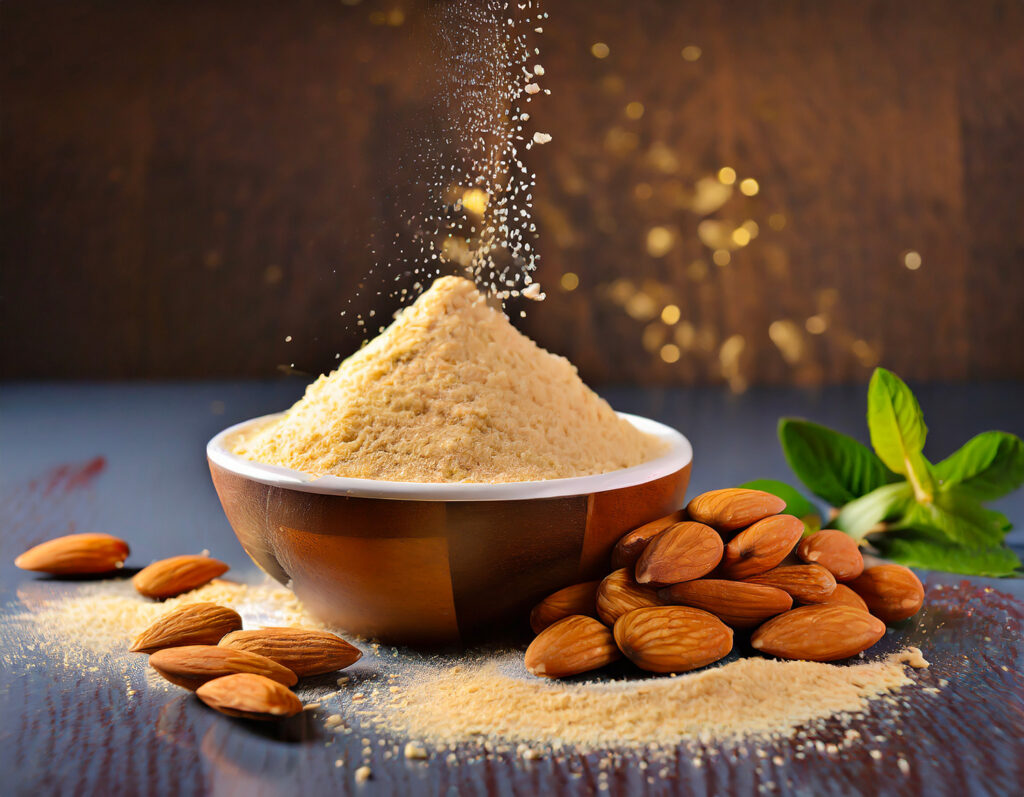
- 🌰 Amandes : environ 12 g pour 100 g
Comment intégrer plus de fibres sans bouleverser ses habitudes ?
La clé du fiber-maxxing réussit est la progressivité. Augmenter trop rapidement son apport en fibres peut provoquer des ballonnements et des inconforts digestifs. Voici quelques conseils pratiques :
- ✅ Remplacez le pain blanc par du pain complet ou aux céréales.
- ✅ Ajoutez une cu. à soupe de graines de chia dans votre yaourt ou smoothie du matin.
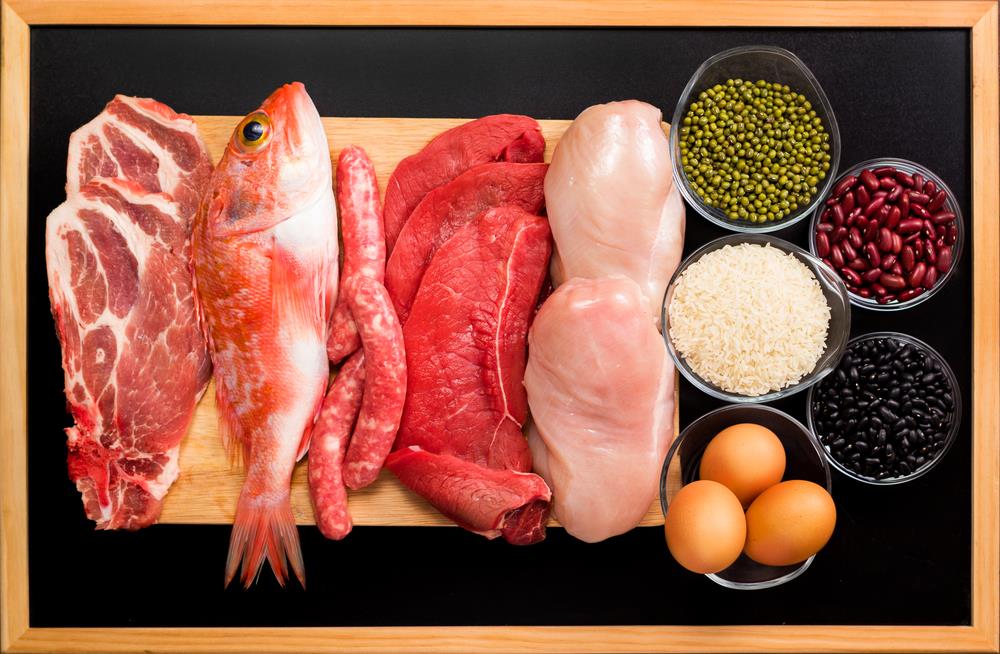
- ✅ Intégrez une portion de légumineuses (lentilles, pois chiches) dans au moins un repas par jour.
- ✅ Gardez la peau des fruits et légumes lorsque c’est possible.
- ✅ Buvez suffisamment d’eau (au moins 1,5 L par jour) pour que les fibres fassent leur travail correctement.
- ✅ Augmentez progressivement sur 2 à 3 semaines pour laisser votre microbiote s’adapter.
Fiber-maxxing : attention aux excès
Si les fibres sont bénéfiques, une consommation excessive (au-delà de 50 g/jour) peut entraîner des inconforts digestifs, des ballonnements, voire réduire l’absorption de certains minéraux comme le fer et le zinc. L’objectif n’est pas de battre un record, mais d’atteindre les 25 à 30 g recommandés par jour de manière régulière.
Notre avis sur le fiber-maxxing
Contrairement à beaucoup de tendances alimentaires qui passent aussi vite qu’elles arrivent, le fiber-maxxing a quelque chose d’intéressant : il est scientifiquement fondé. Manger plus de fibres, c’est tout simplement se rapprocher des recommandations nutritionnelles que les diététiciens prônent depuis des années.
Alors si cette tendance vous motive à ajouter une poignée de lentilles dans votre assiette ou des graines de chia dans votre petit-déjeuner… foncez ! Votre microbiote vous remerciera.